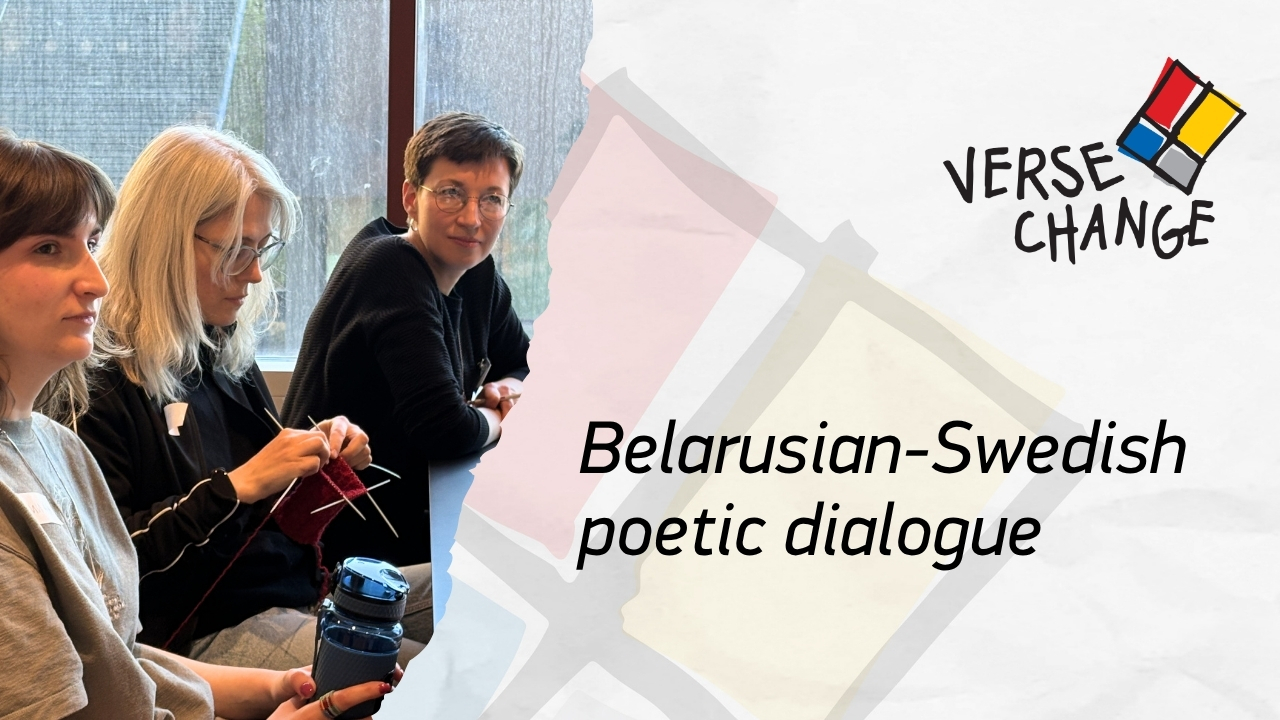
A few weeks after the visit of the Belarusian poets and translators to Denmark, a new group of participants set out to build another verse X change literary bridge—this time between Belarus and Sweden. Five Belarusian poets and translators travelled to Sweden, where they met their Swedish counterparts and discovered kindred creative spirits with whom to collaborate. The result of this exchange will be new translations that bring contemporary Belarusian poetry to Swedish readers, while introducing the voices of Swedish poets to Belarusian audiences. In this way, the project continues to foster meaningful literary dialogue and create lasting connections between cultures through the art of translation.
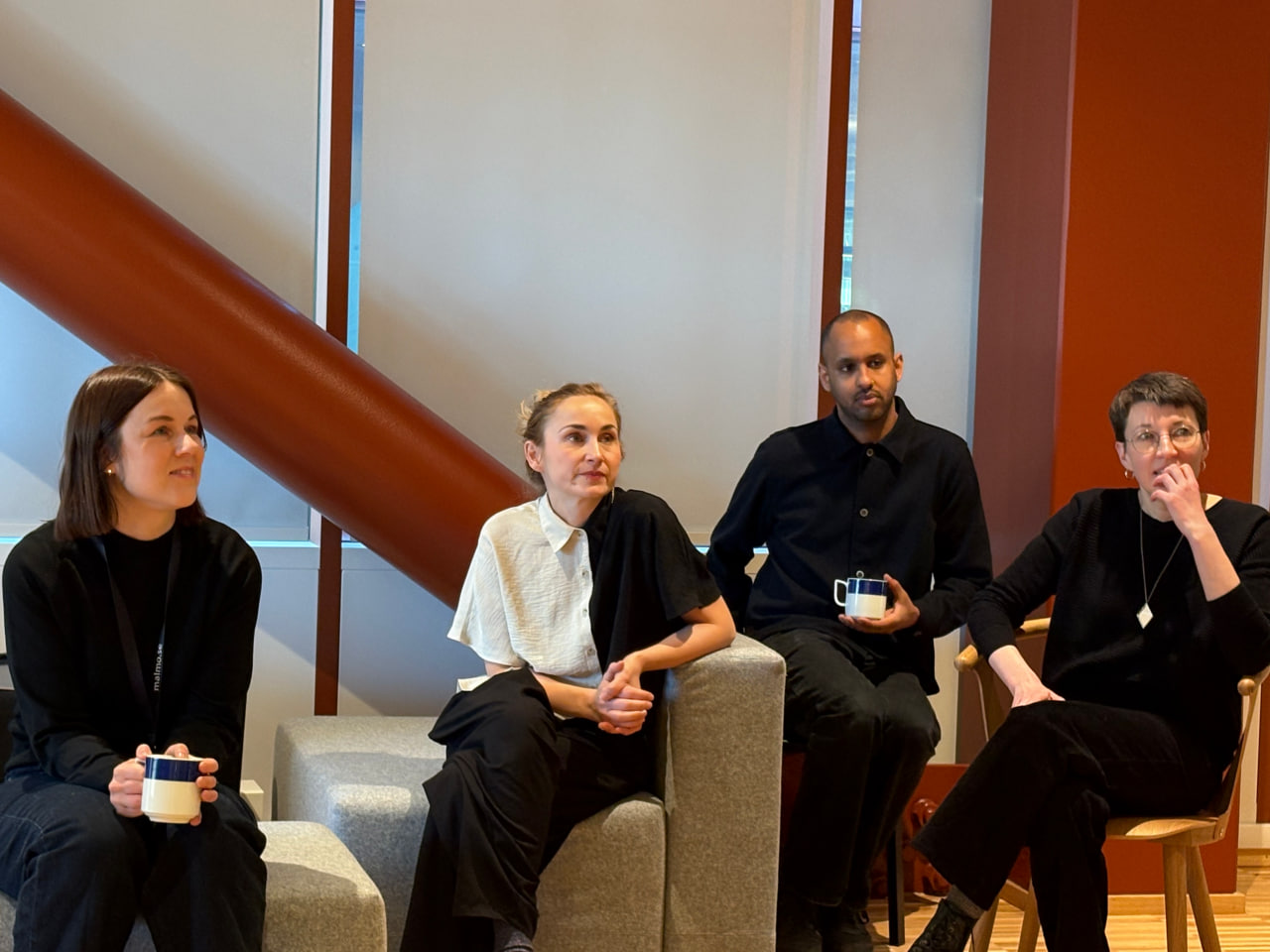
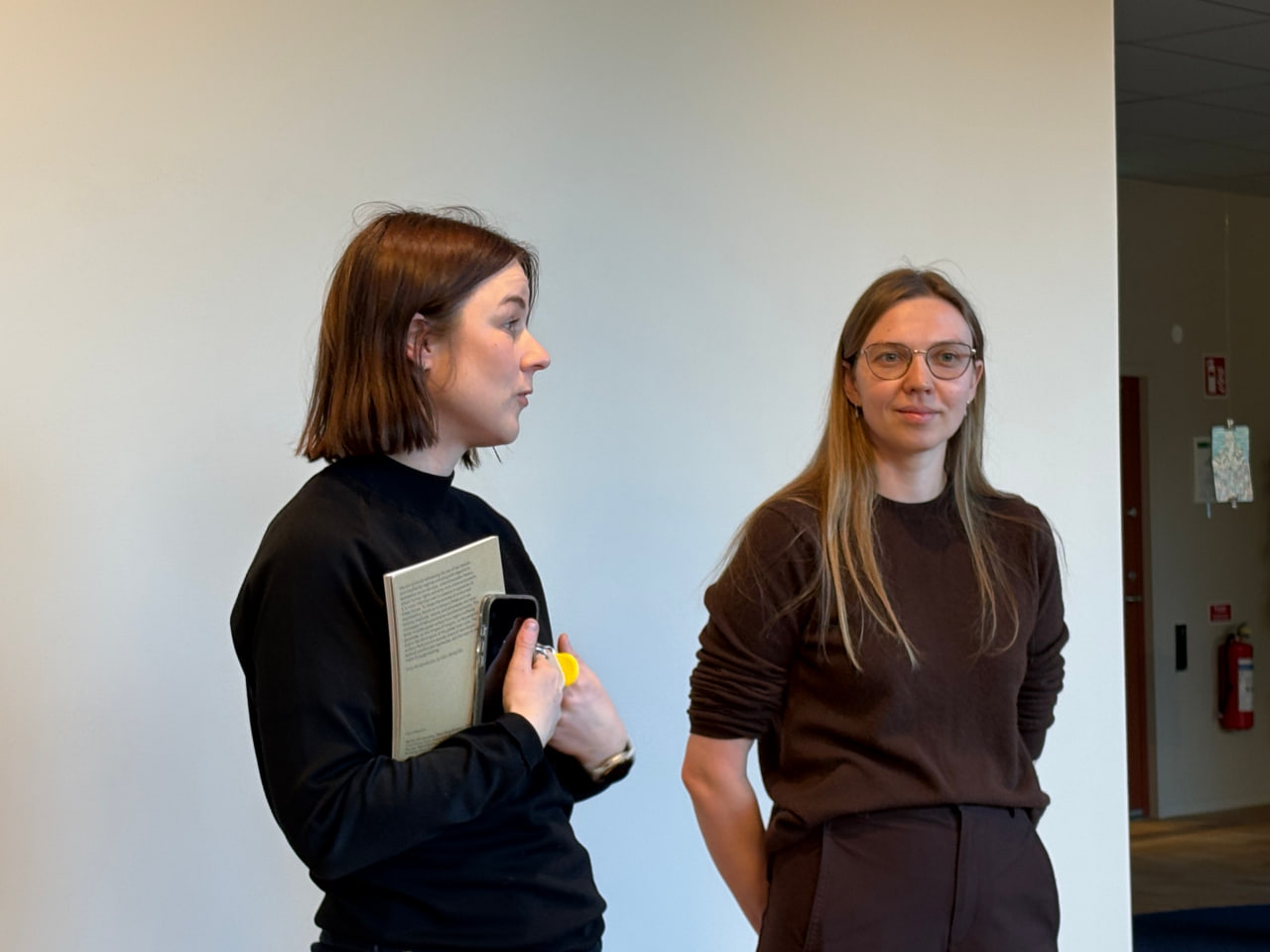
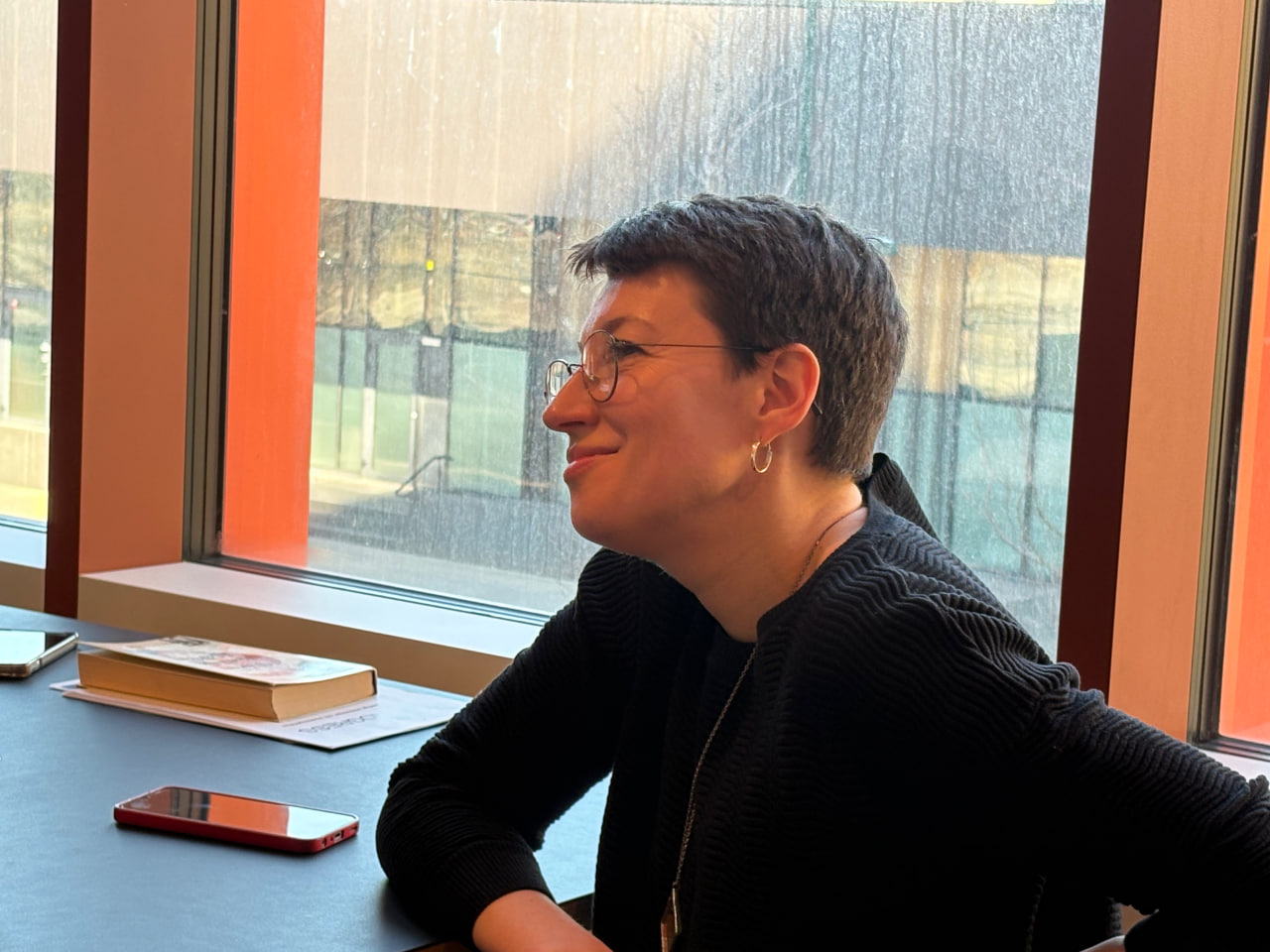
Representing Belarus were poets and translators Yana Sanko, Ilya Sinitsa, Julia Cimafiejeva, Hanna Shakel, and one participant who preferred to remain anonymous. In Sweden, they were welcomed by Ylva Gripfelt, Jonas Gren, Jon Aagaard Gao, Bereket Hailemariam, and Hanna Rajs, whose diverse literary backgrounds and poetic voices enriched the exchange.
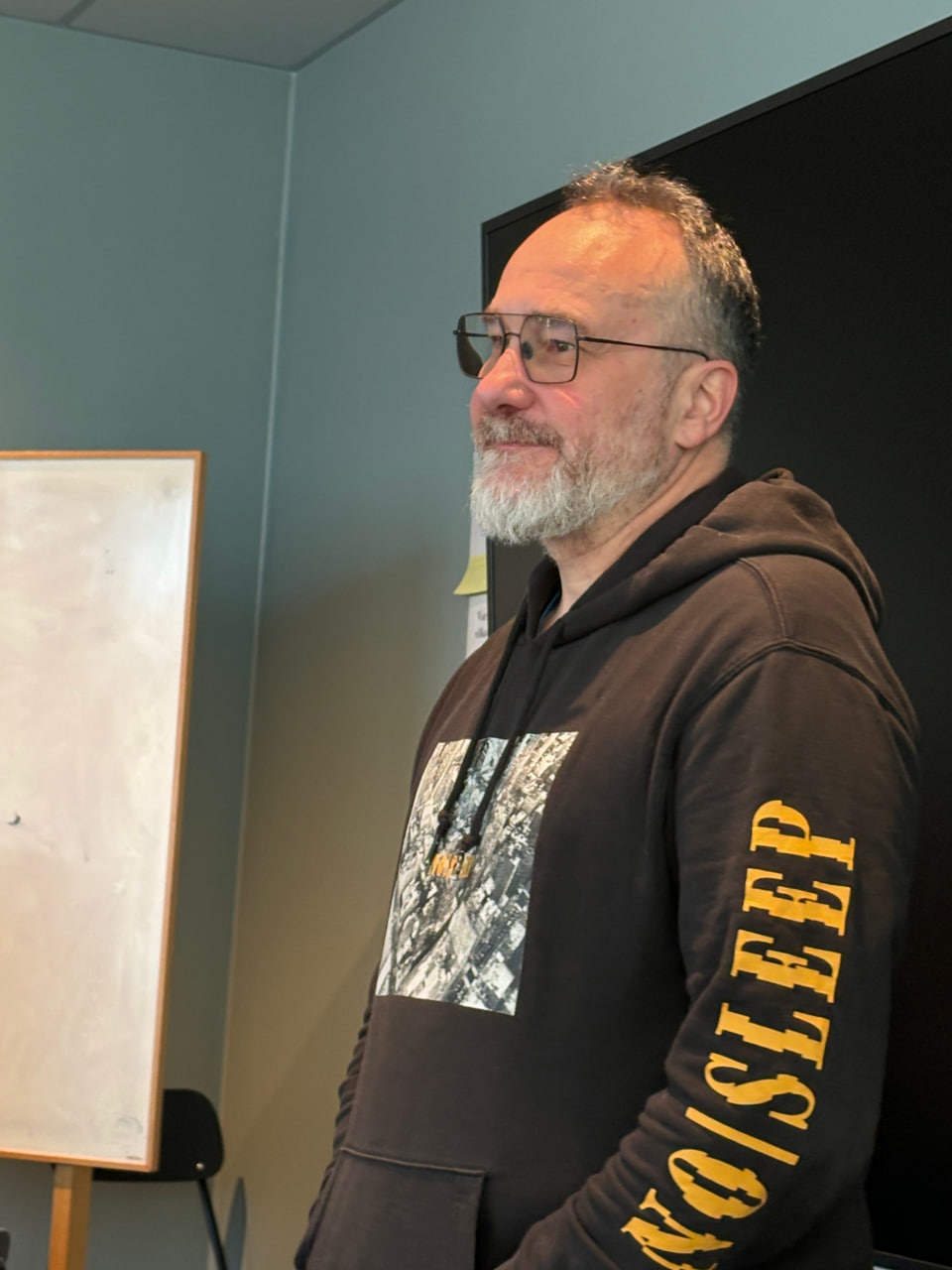
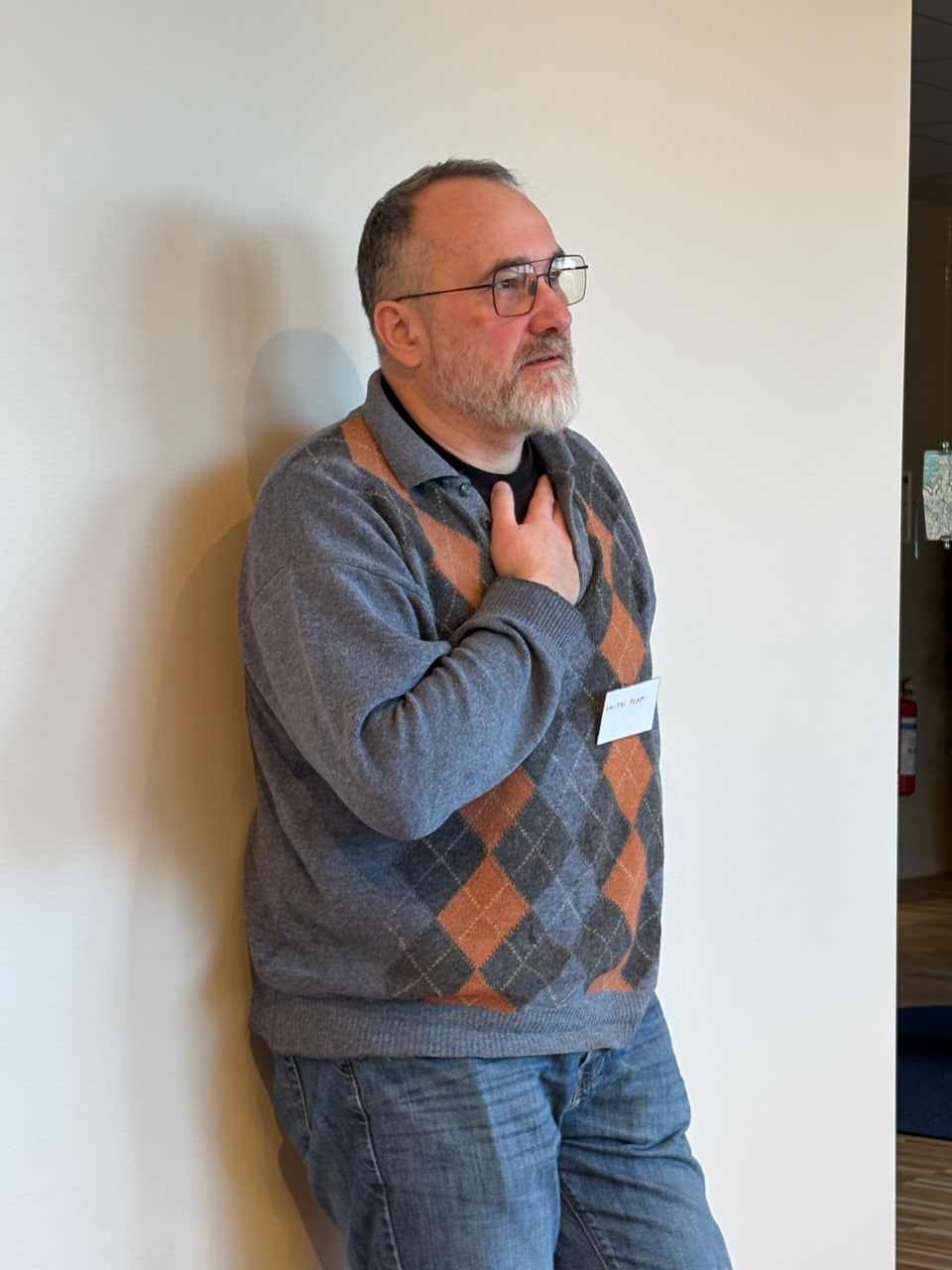
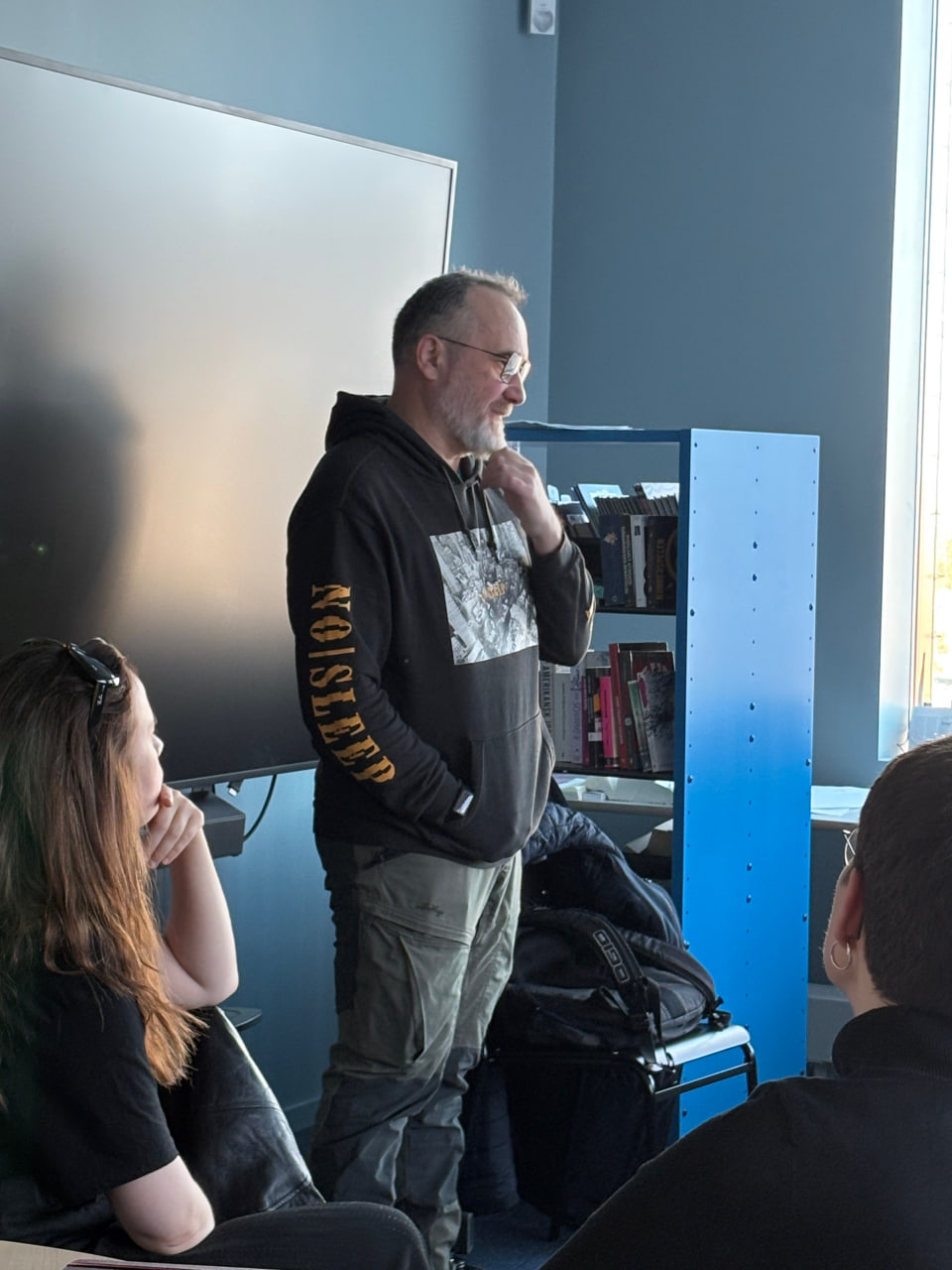
The workshop was mentored by Dmitri Plax—a Swedish director, writer, radio and film producer, artist, and translator working between Belarusian, Russian, and Swedish. With extensive experience in experimental poetry translation and literary exchange projects, Plax guided participants through the creative and linguistic challenges of collaborative translation, helping them navigate the delicate balance between fidelity and invention that poetry so often demands.
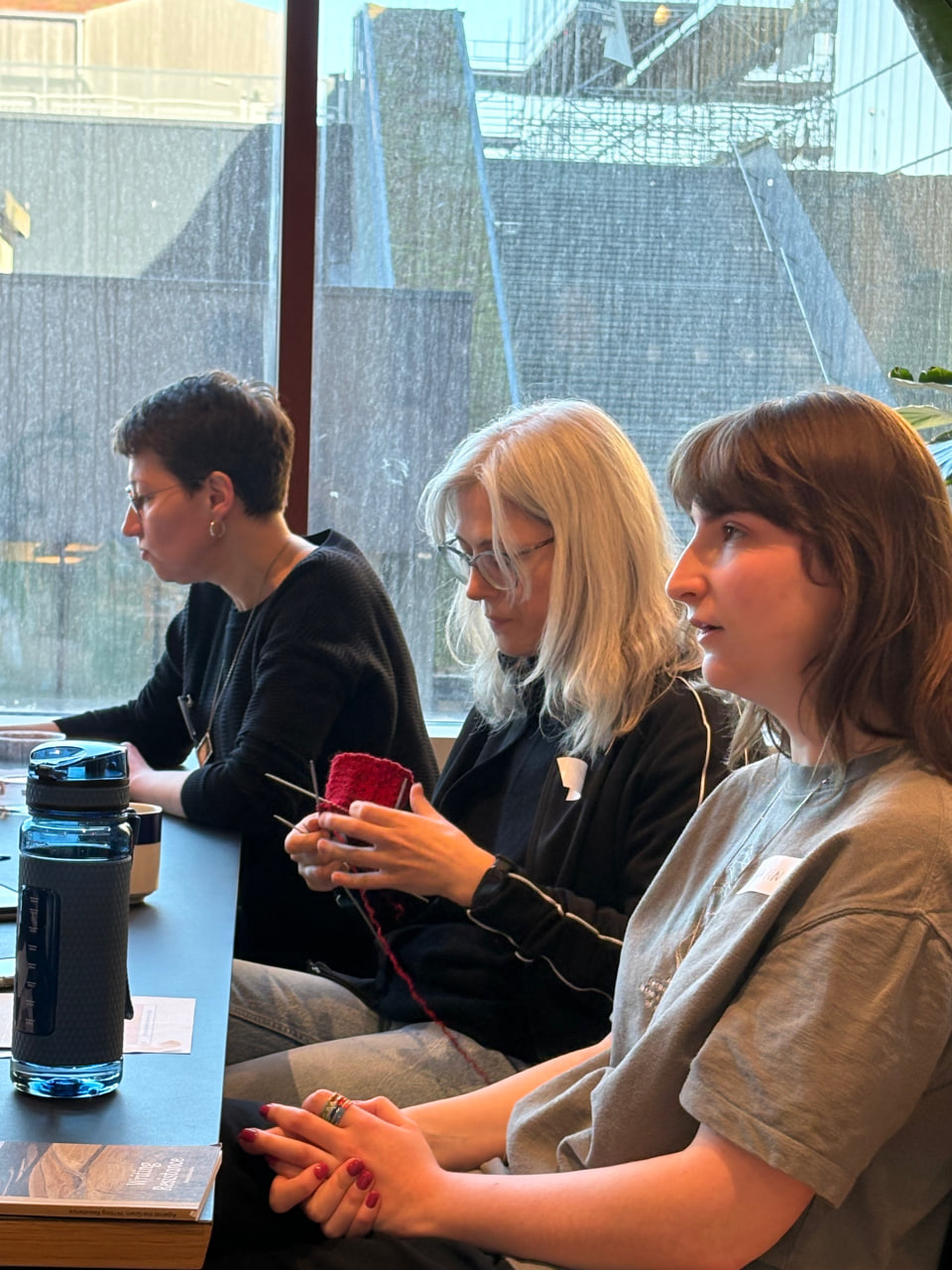
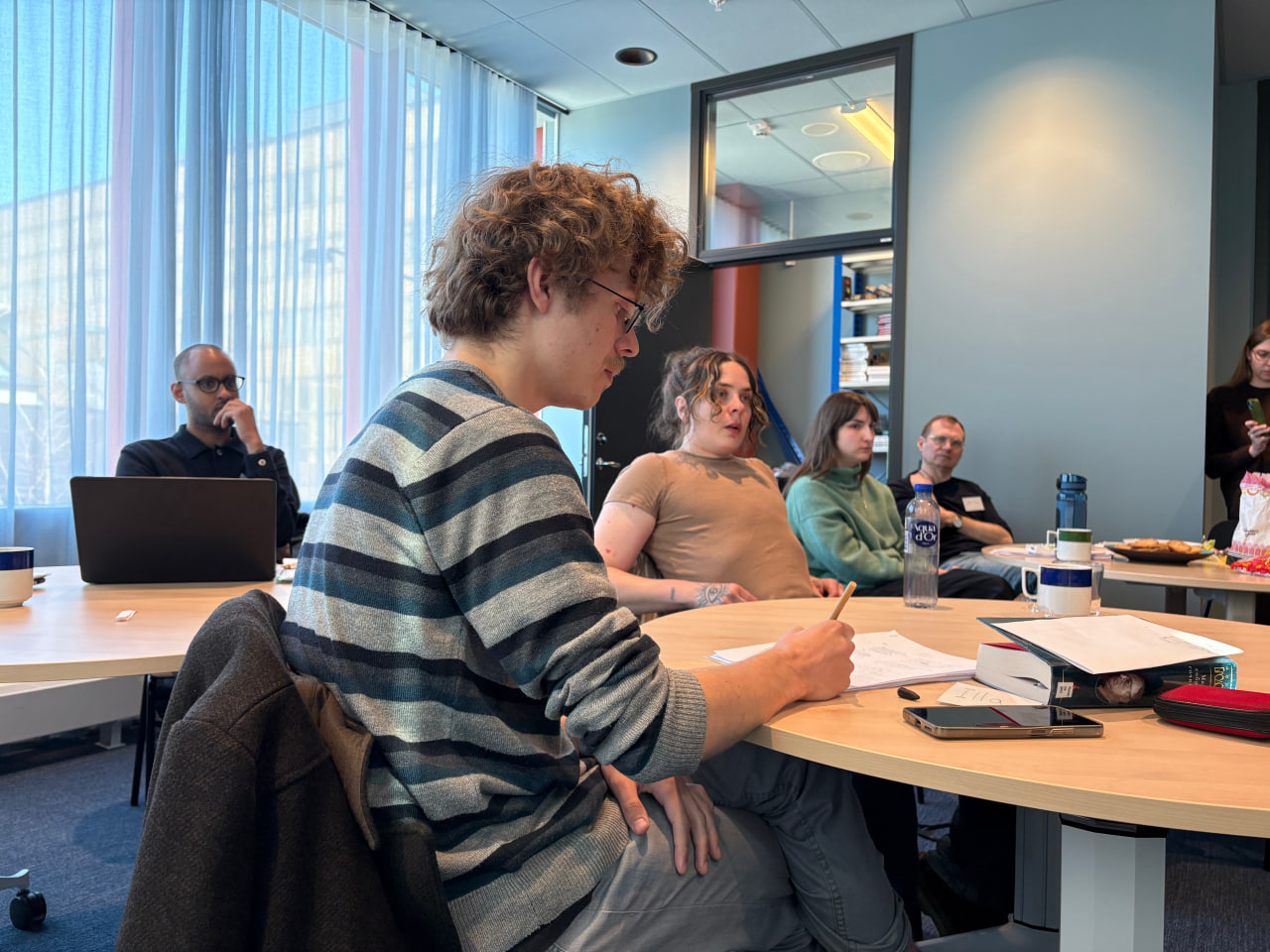
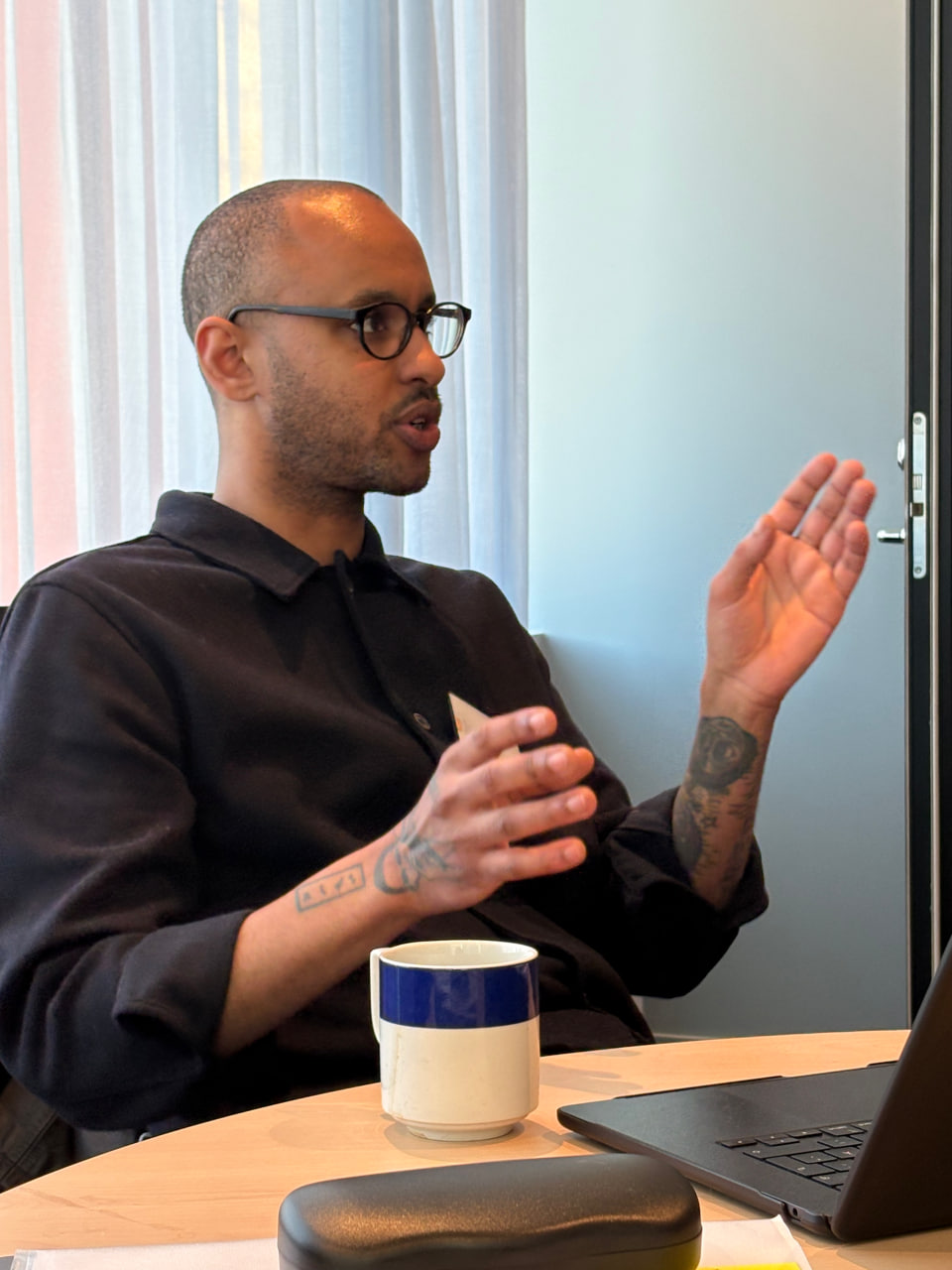
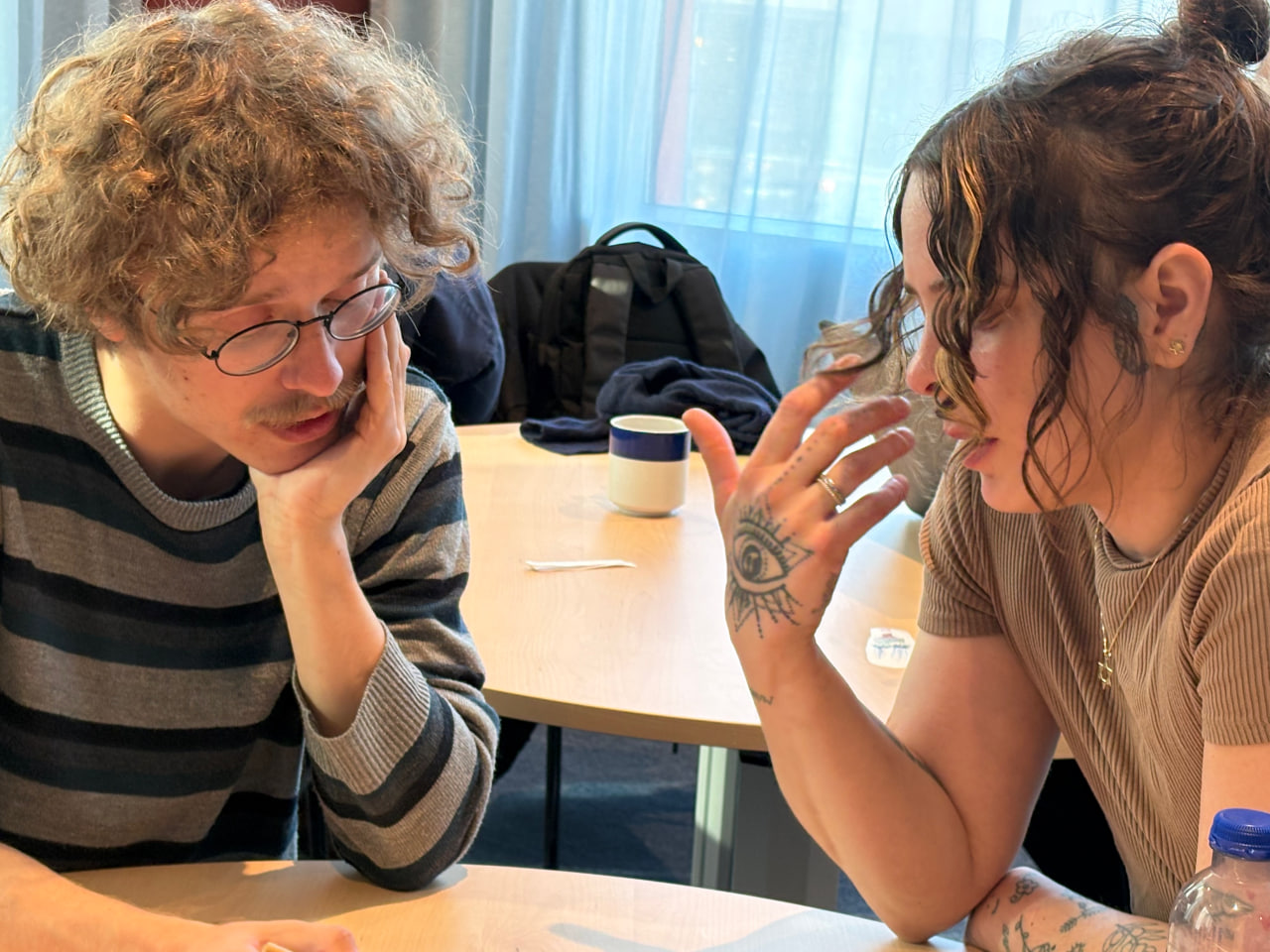
Day One
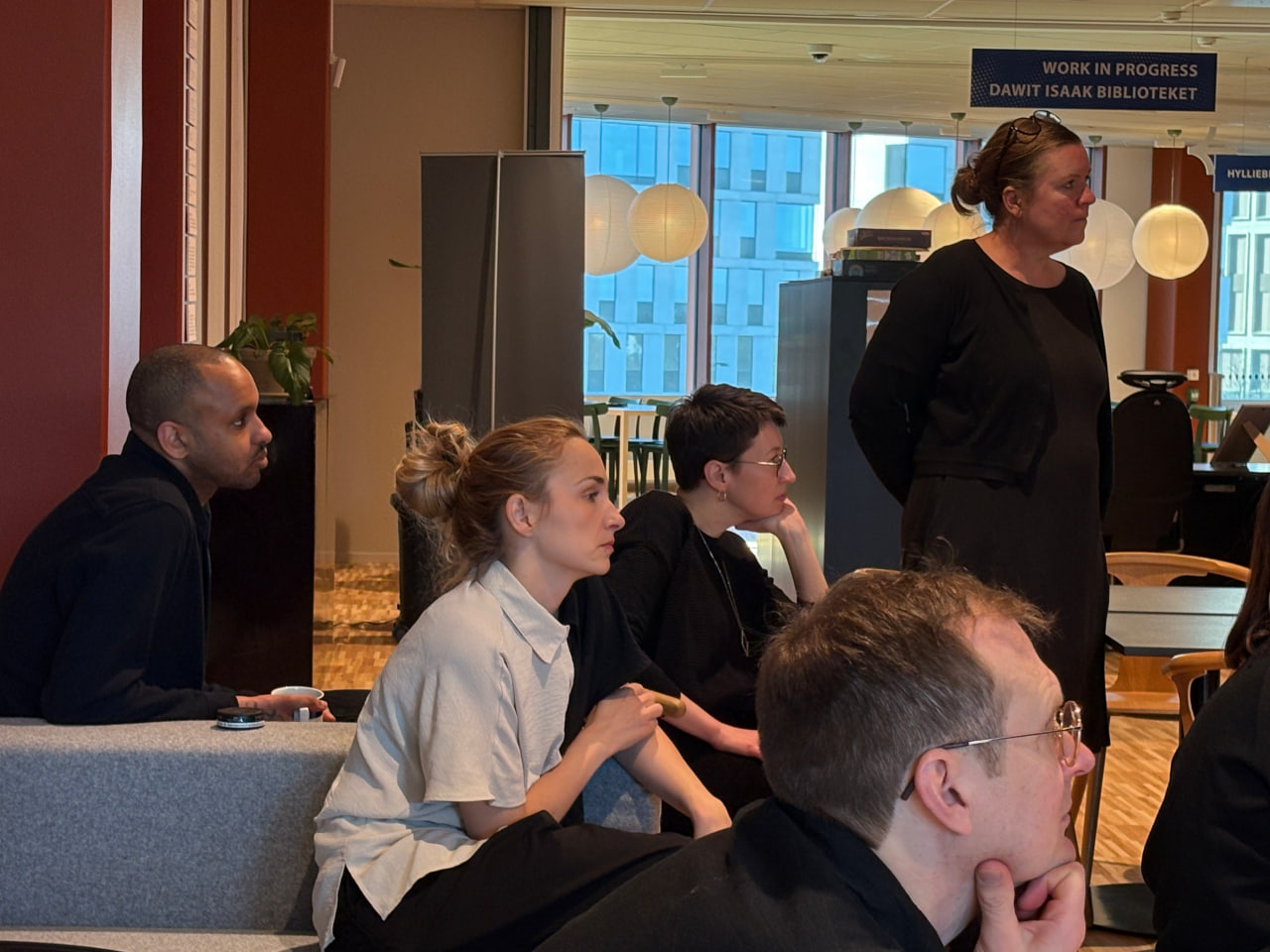
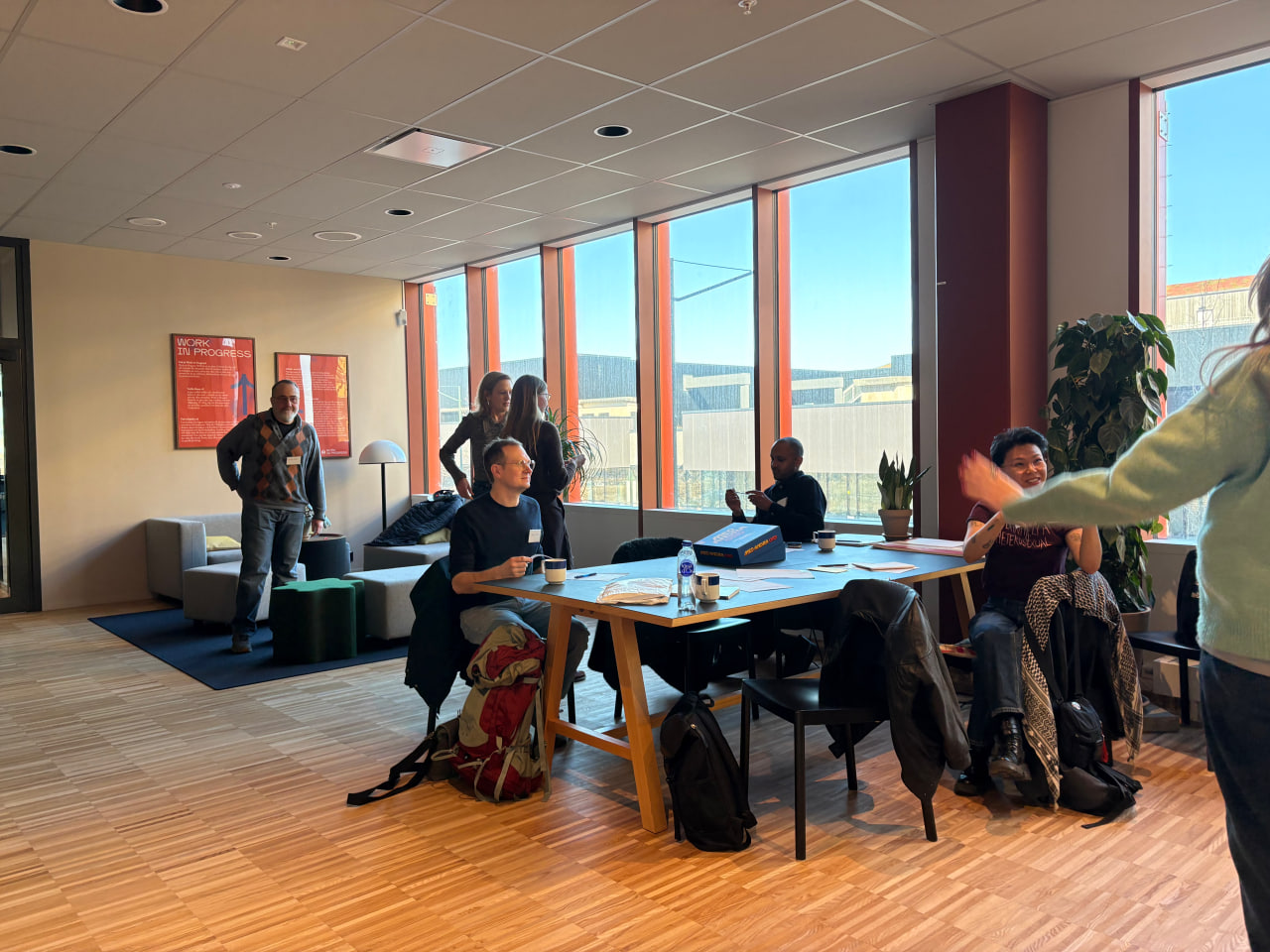
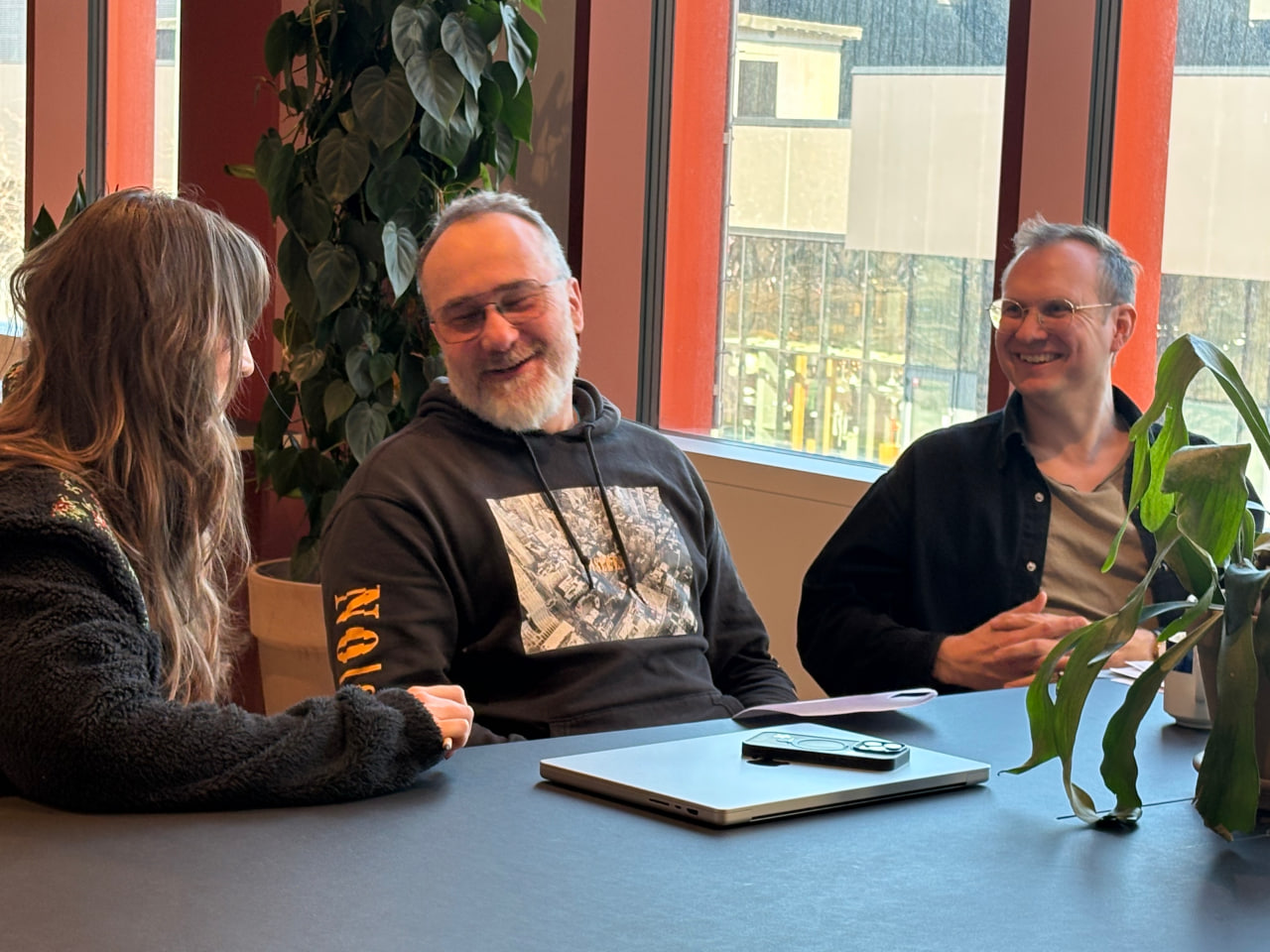
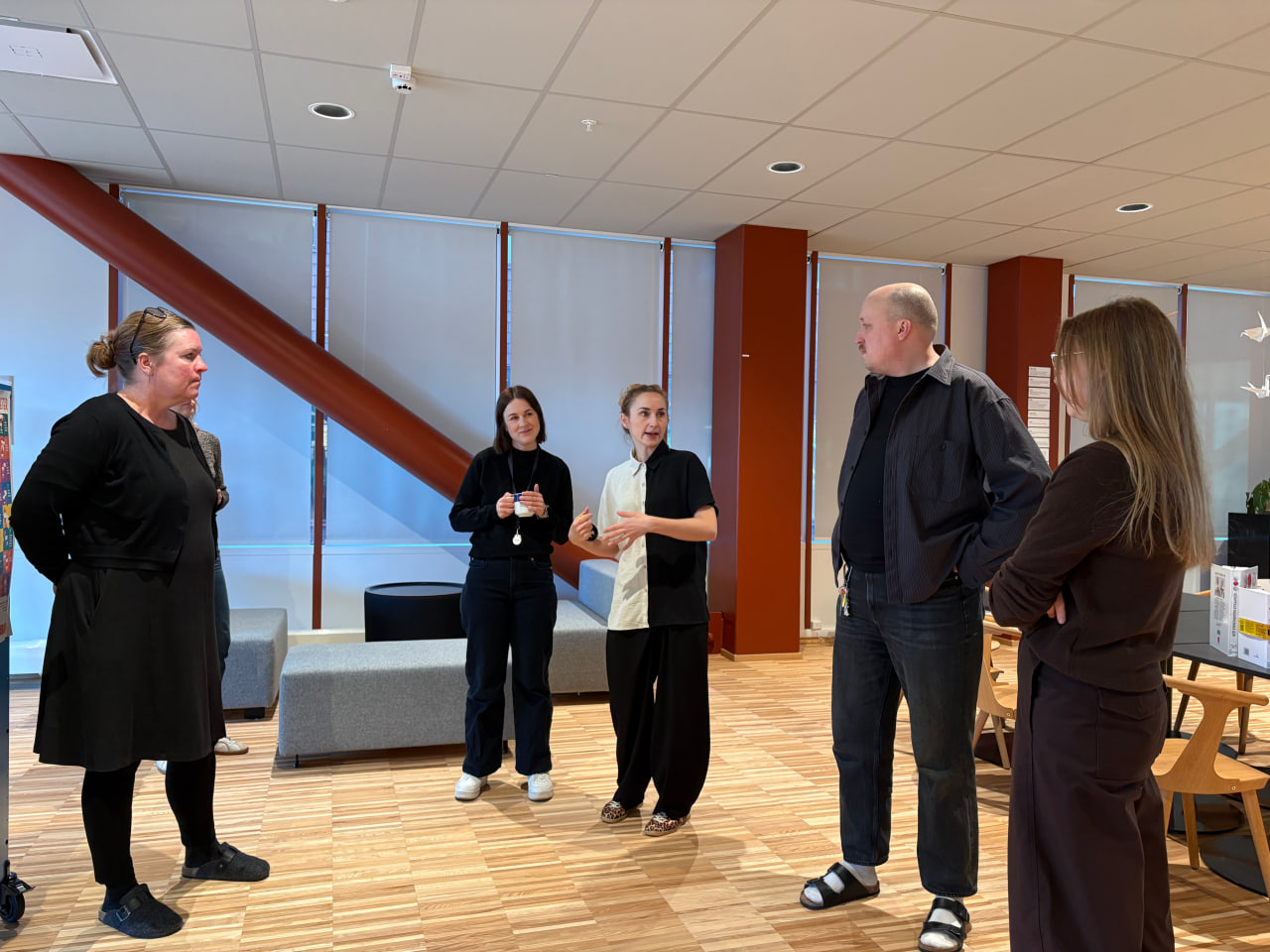
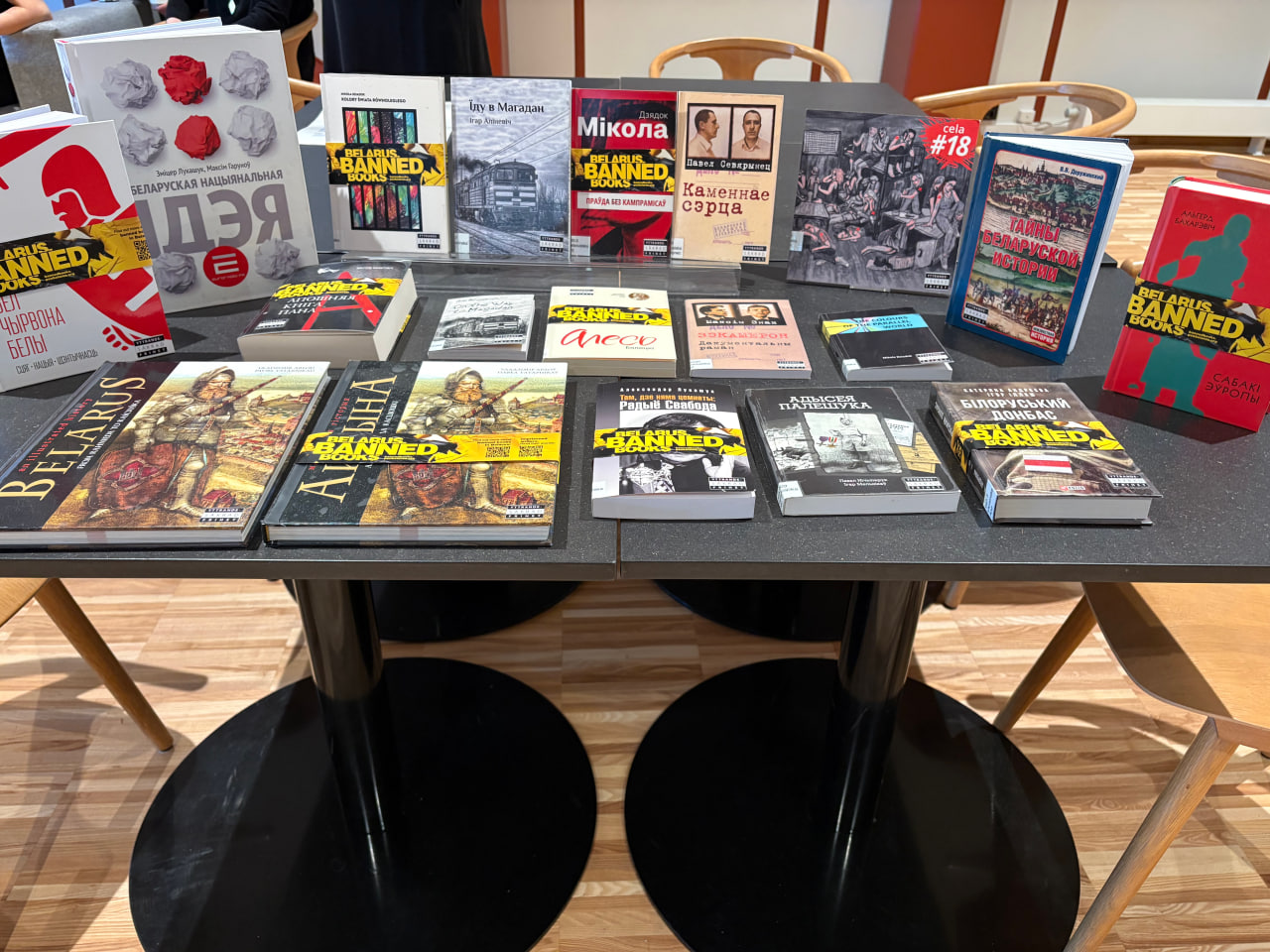
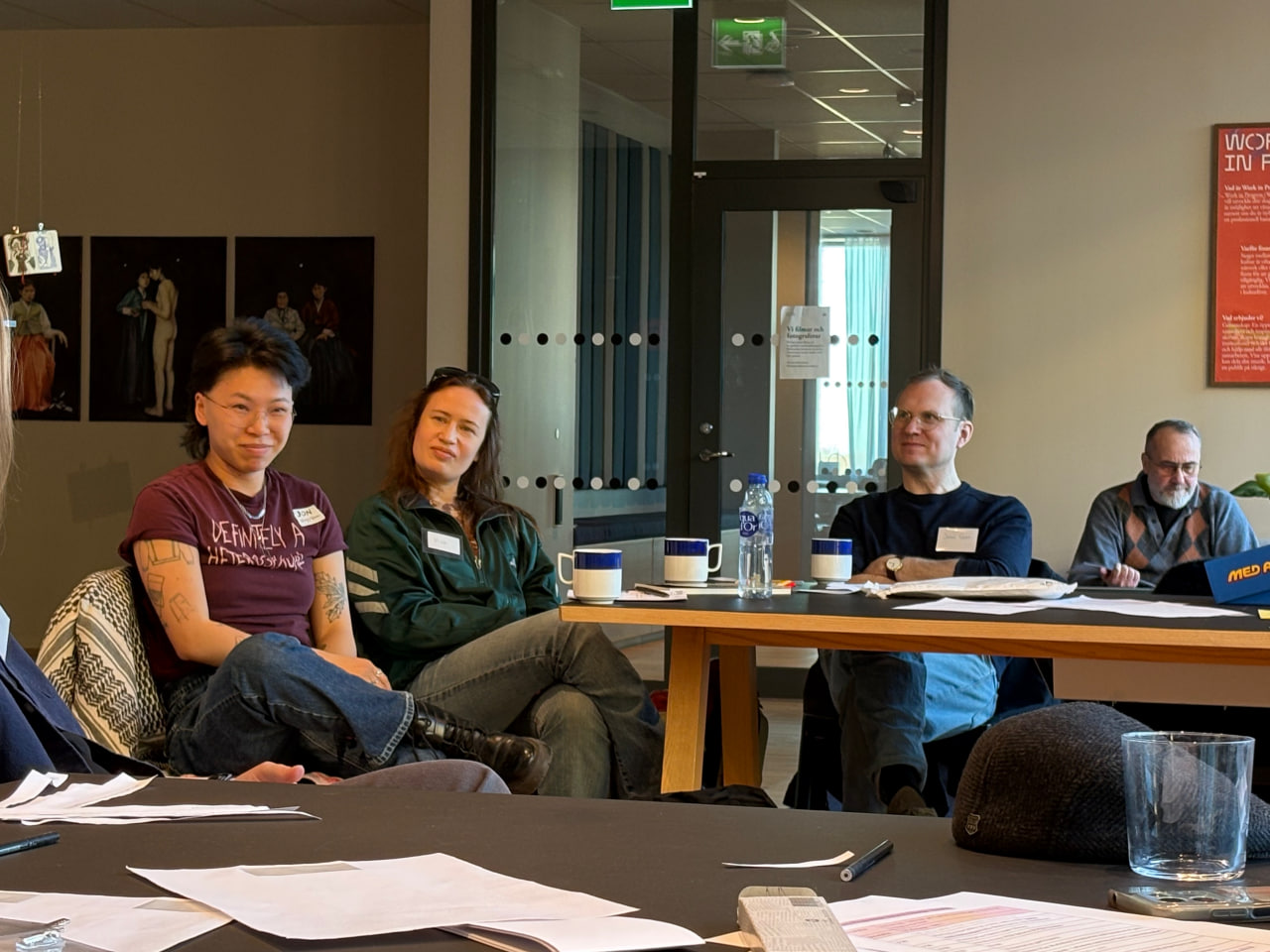
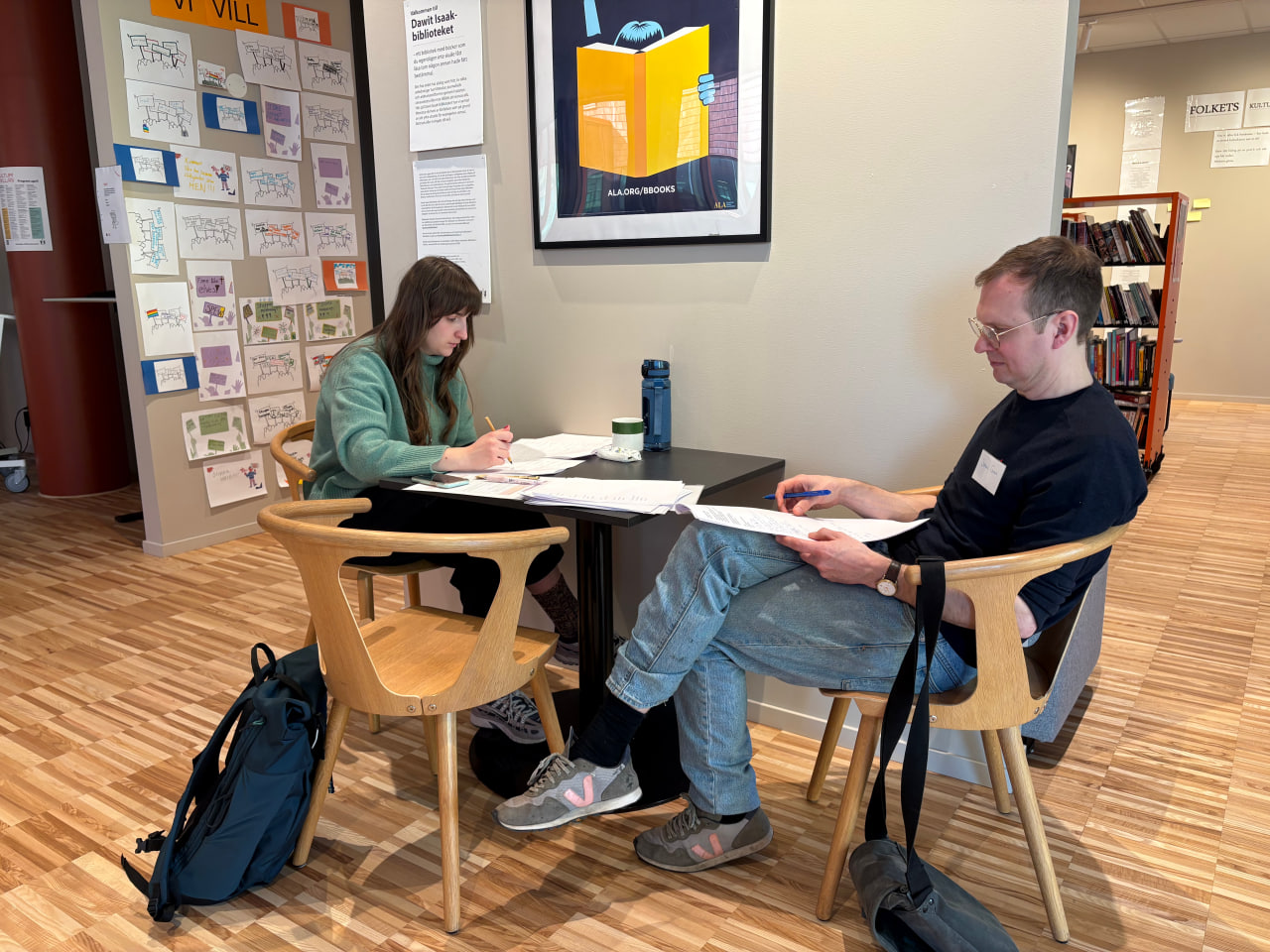
The workshop took place at Dawit Isaak Library in Malmö and began with an introduction to the library and its mission. The library is home to an extensive collection of books that have been banned, censored, or suppressed around the world. Thanks to the collaboration between PEN Belarus and Swedish PEN, the collection also includes a dedicated shelf of Belarusian literature.
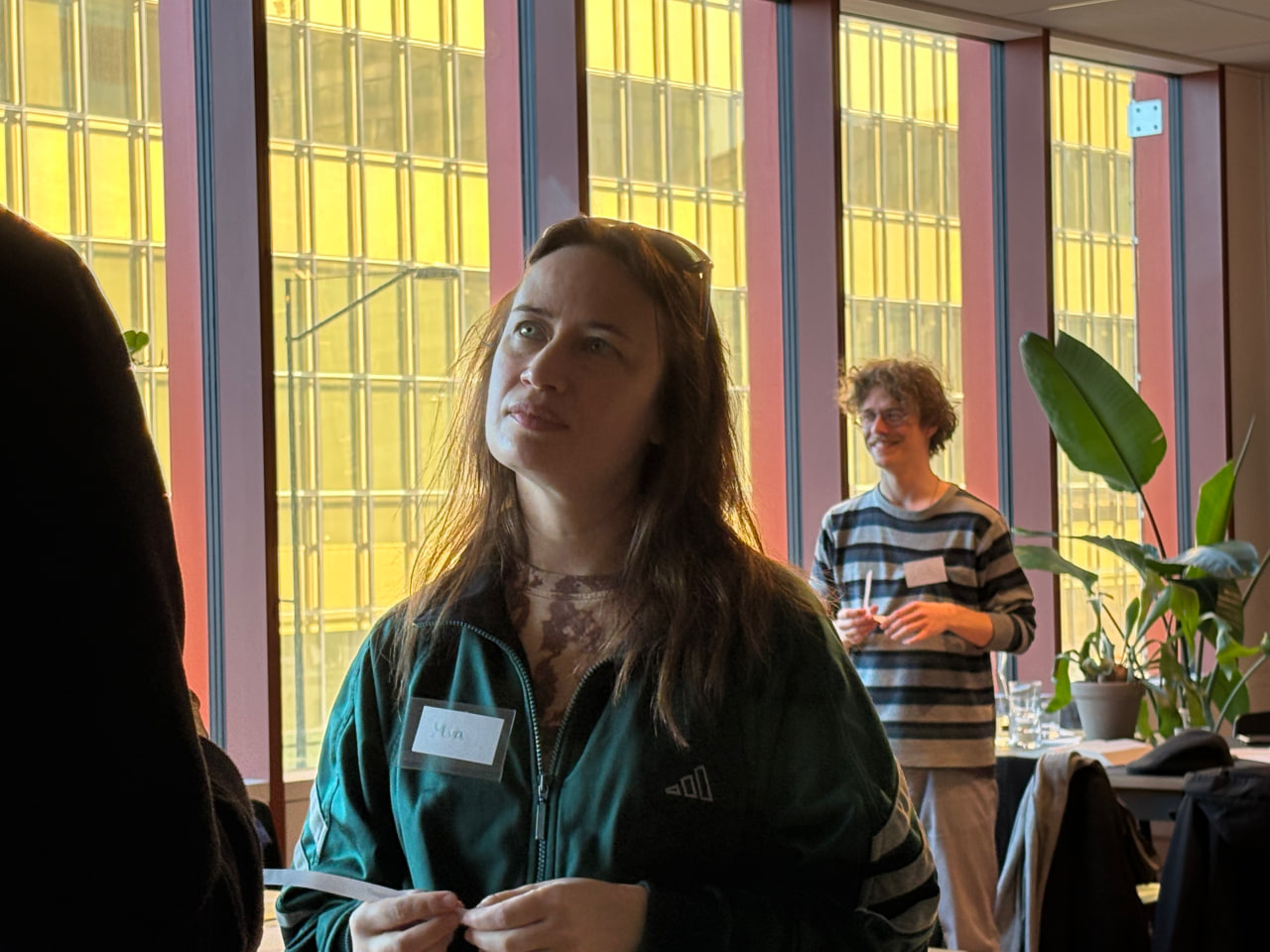
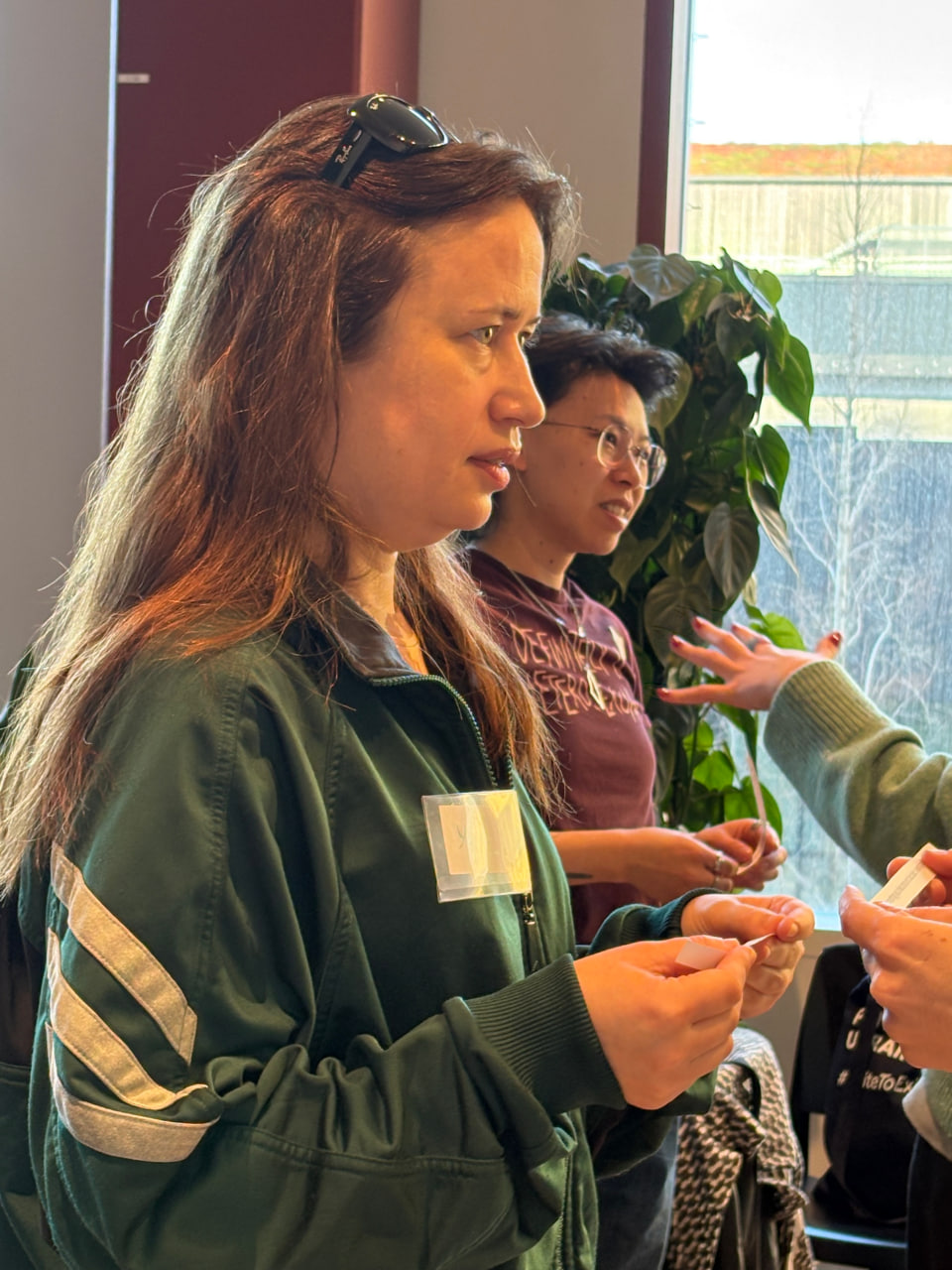
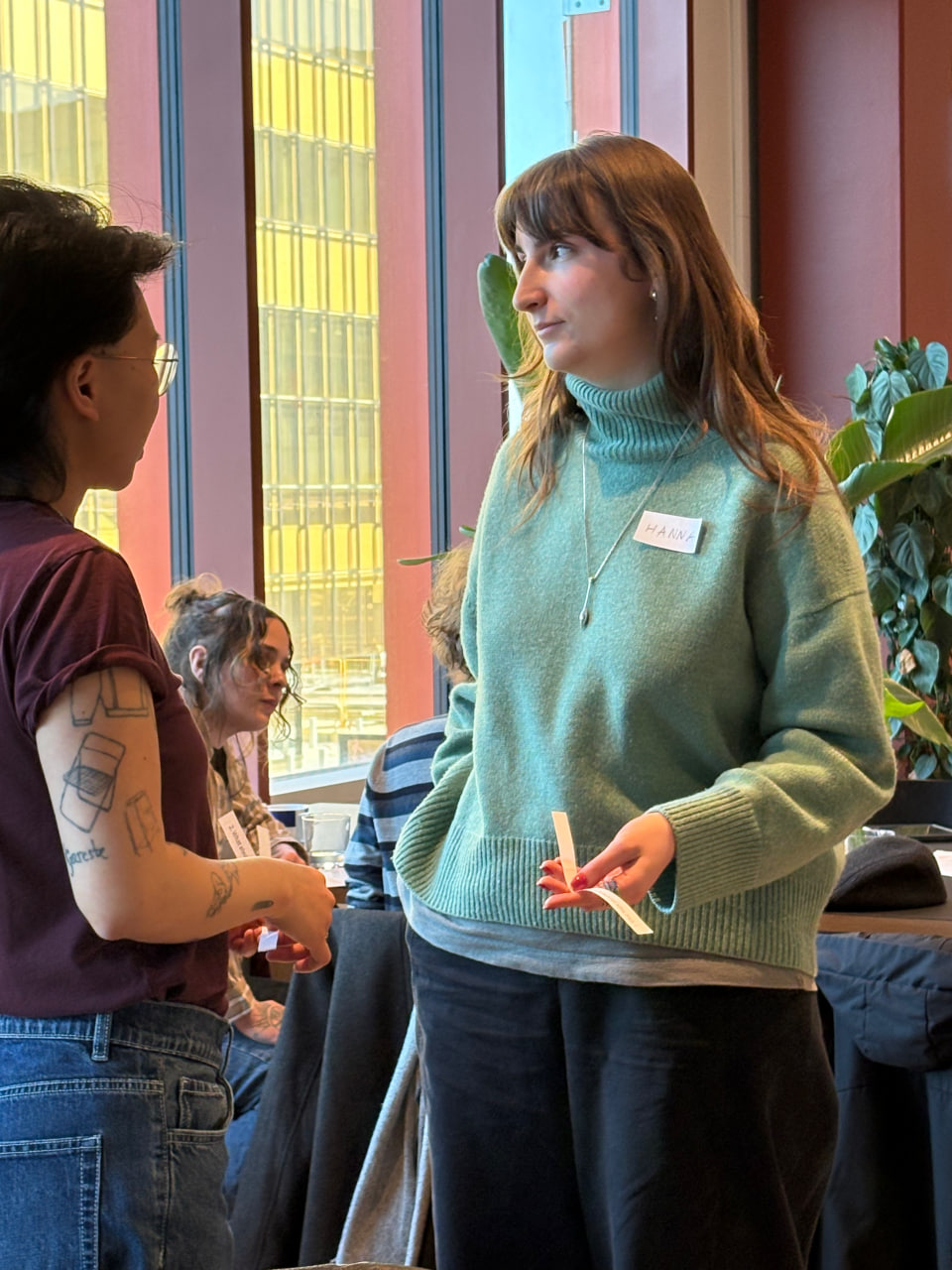
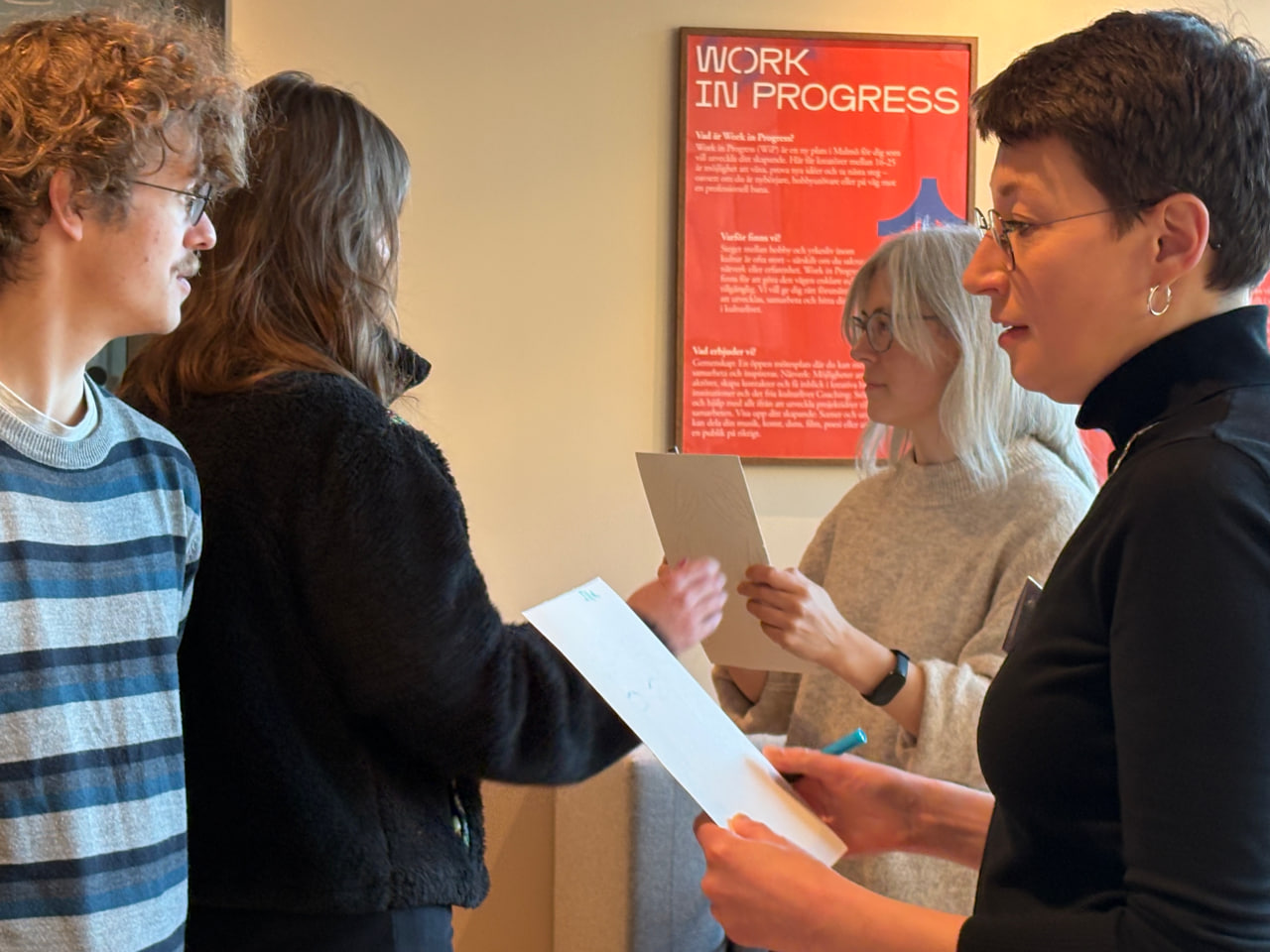
Following a lively round of introductions and a series of creative warm-up exercises, participants moved on to one of the most important—and perhaps most challenging—parts of the workshop: choosing the partner whose poems they would spend the next two days translating. Some partnerships emerged naturally and almost instantly, while others took shape with the help of mentor Dmitri Plax, who carefully matched participants according to their interests and creative affinities.
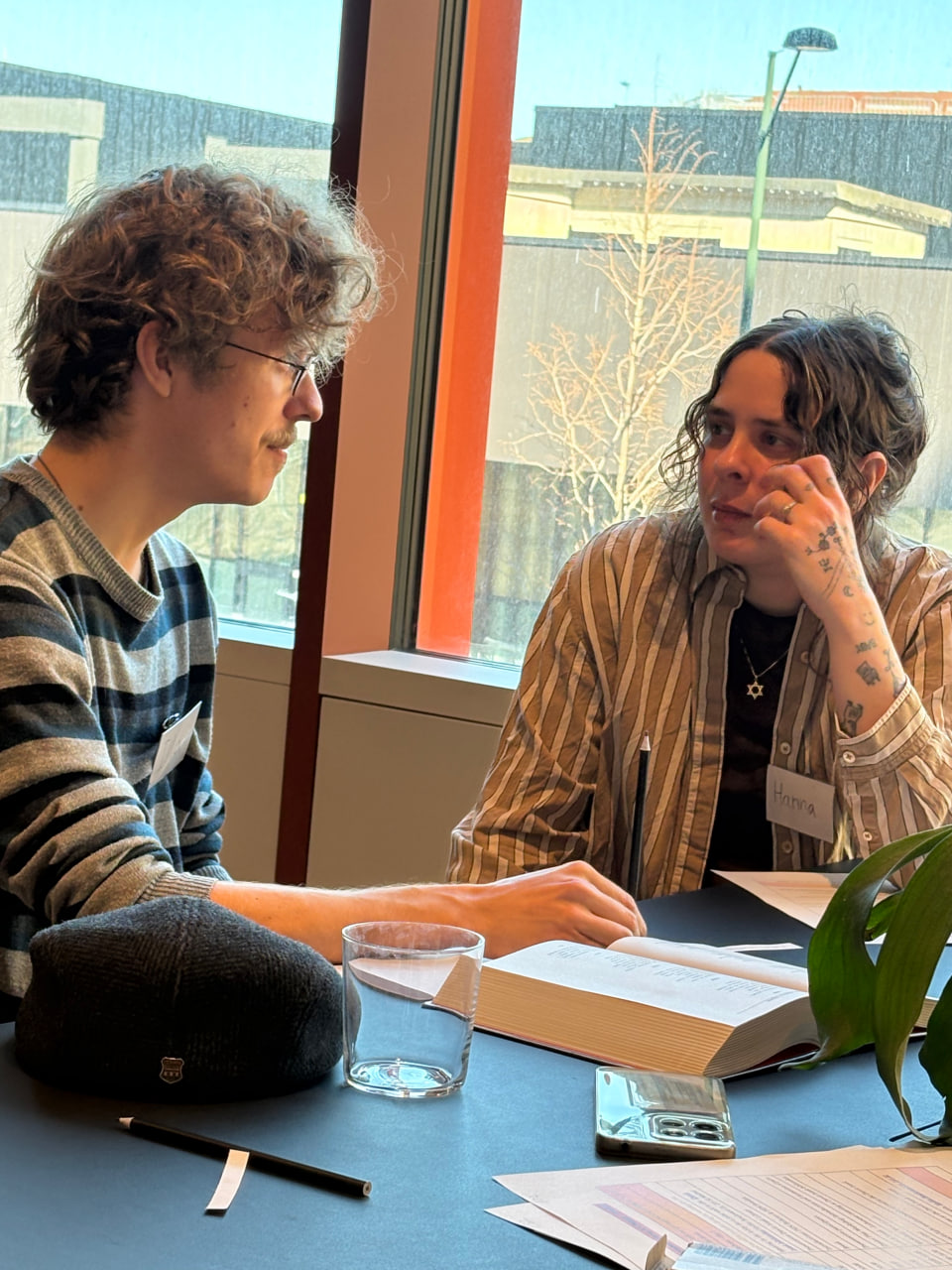
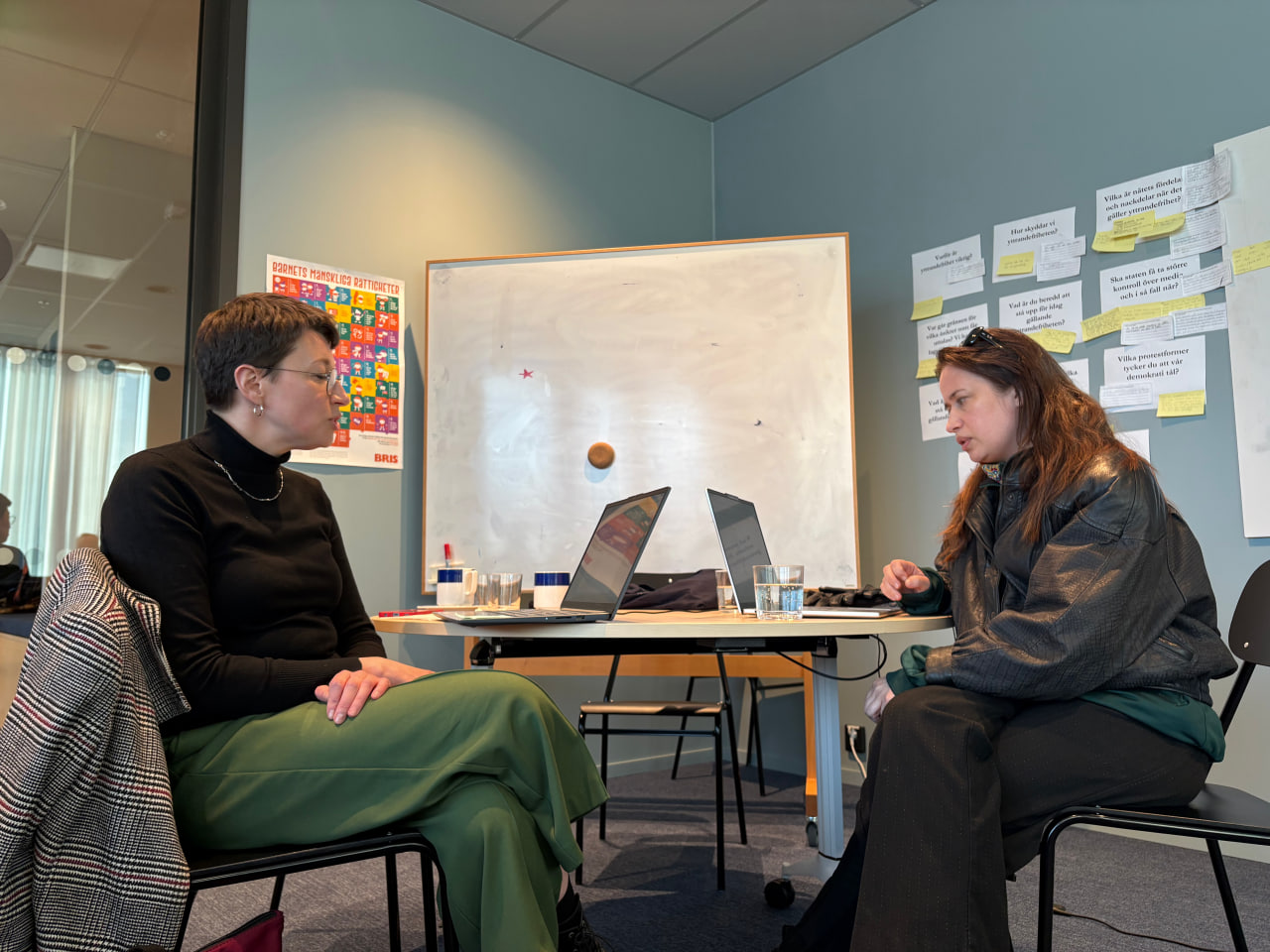
The remainder of the day was devoted to discovering one another’s poetry and producing the first rough translation drafts. Conversations moved between languages, cultures, and poetic traditions as participants began the intricate work of carrying poems across linguistic borders.
Belarusian poet Ilya Sinitsa shares his impressions of collaborating with a Swedish poet:
“I was afraid that it would be emotionally difficult to translate, that it would be hard to understand. But that fear turned out to be completely unfounded. I’m not translating the poems of some kind of aliens. These are people just like me. They feel the same things that I do, and that is precisely why translation is possible at all.”
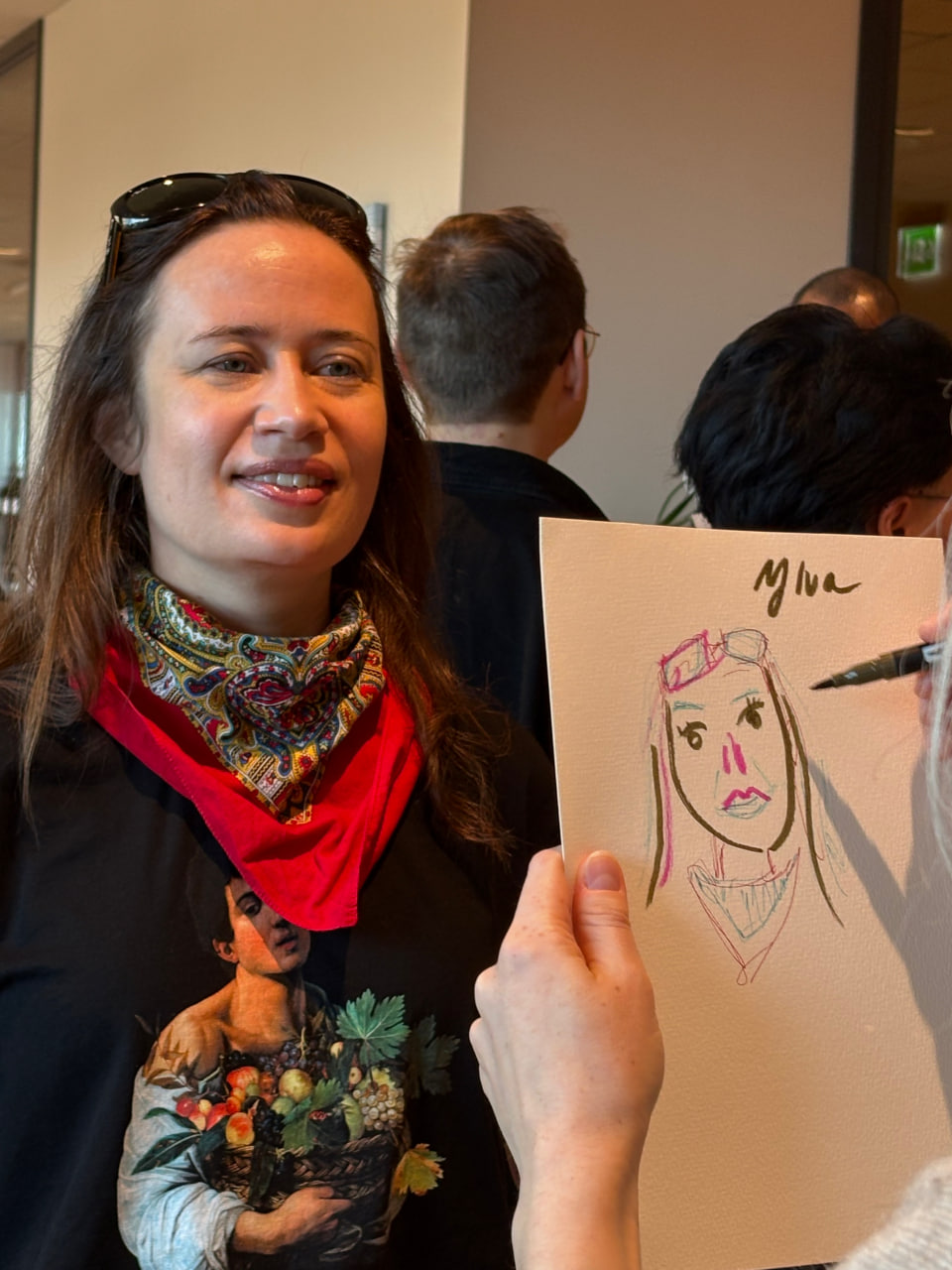
Swedish poet Ylva Gripfelt also reflects on the challenges of translating a text while working closely with its author:
“You create your own world when you have the words in front of you. But then when you have the person in front of you, you also get more. You want to make it right because you have the whole person to be responsible for, not just language, text.”
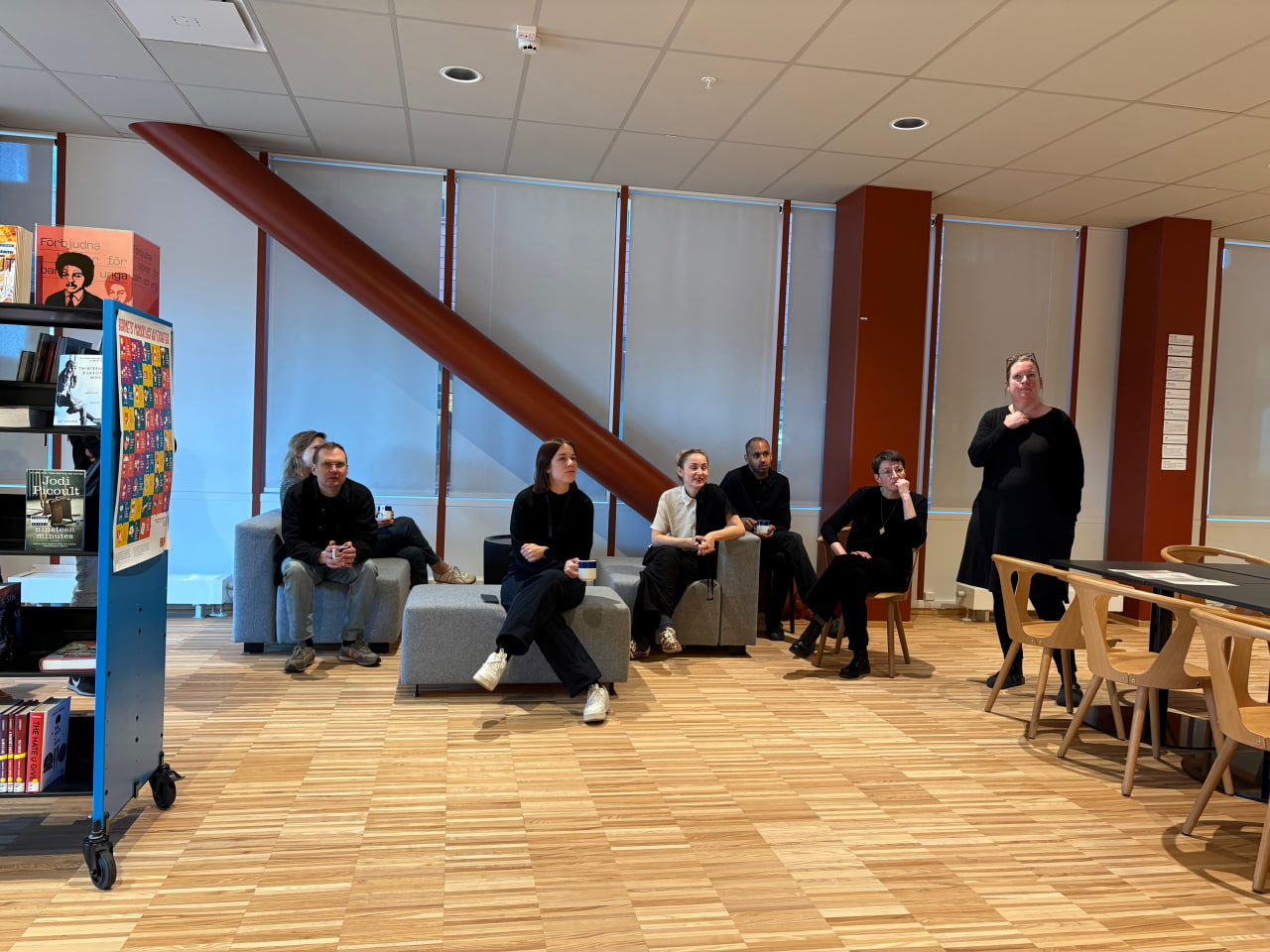
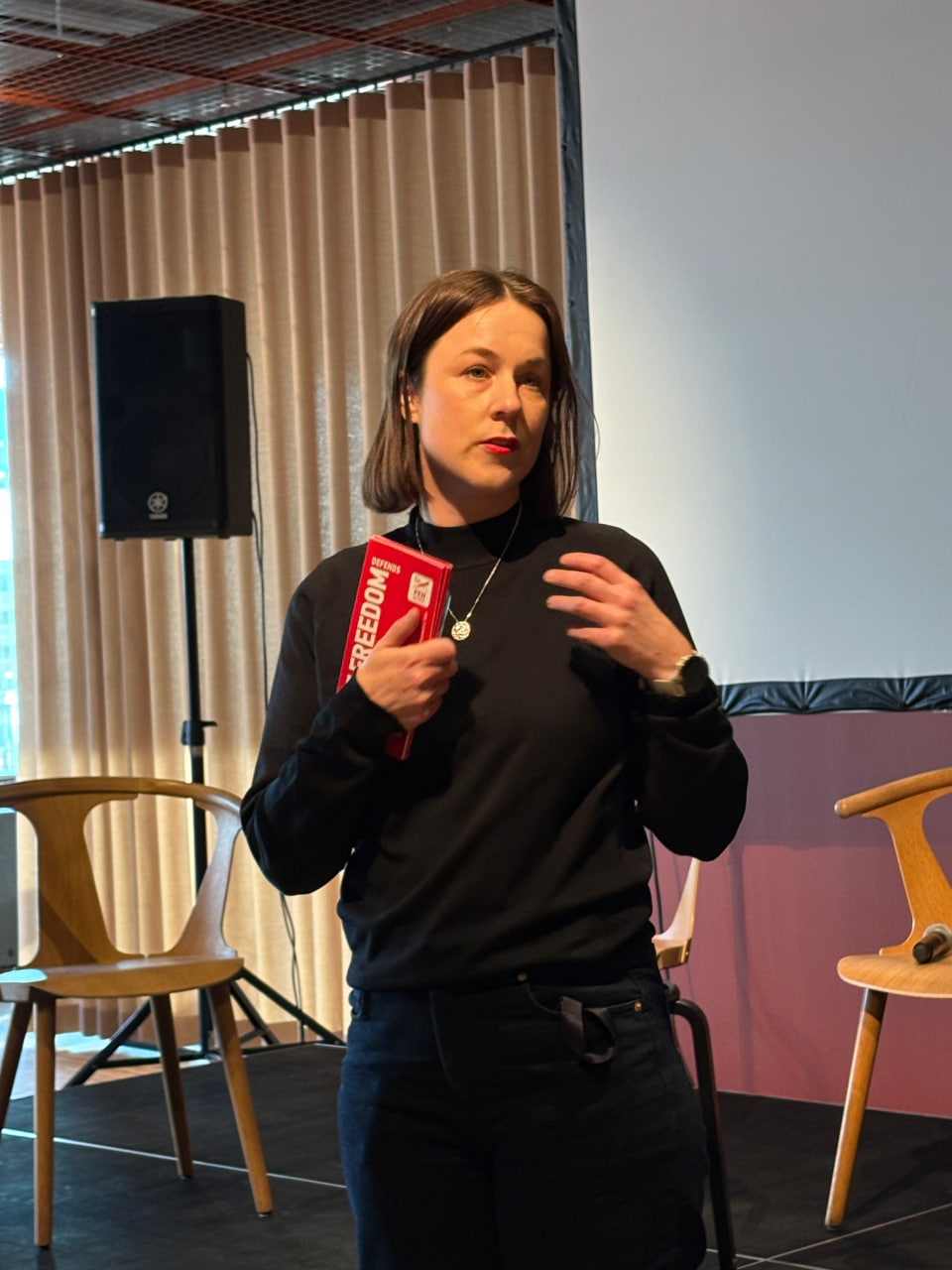
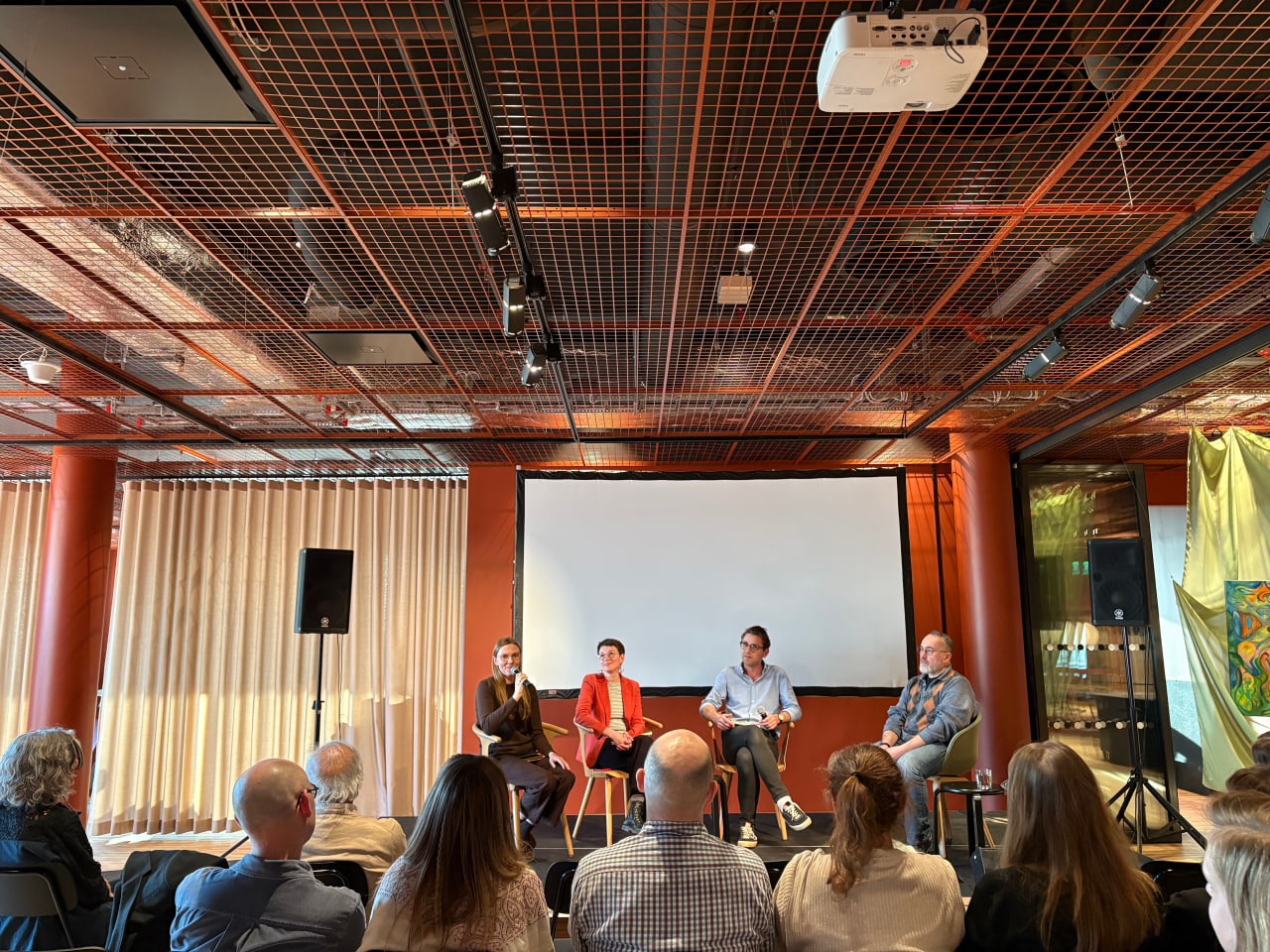
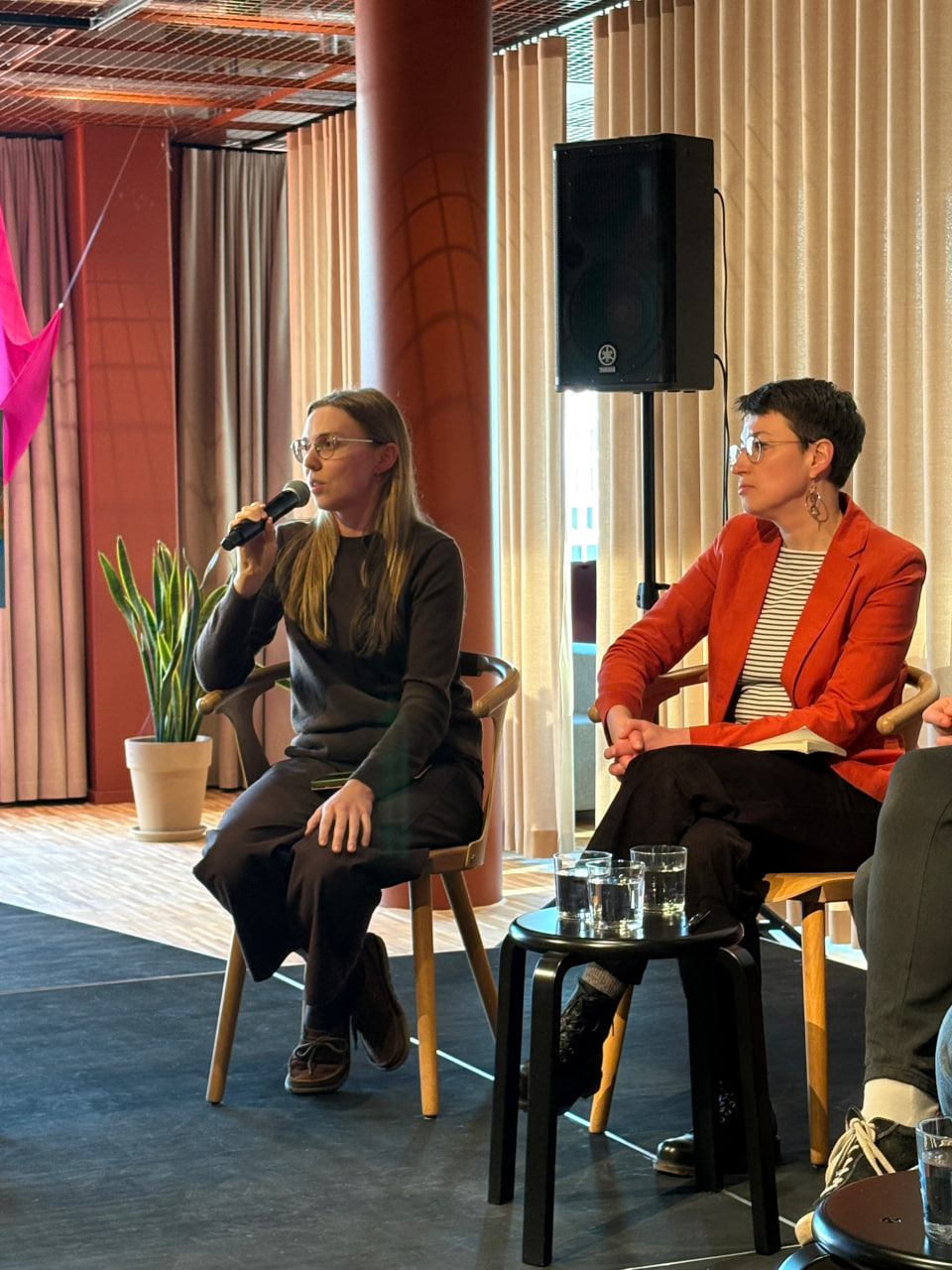
The day concluded with a public event hosted by the library, dedicated to the contemporary state of Belarusian literature. The discussion offered Swedish audiences an opportunity to learn more about the challenges, developments, and resilience of Belarusian writers today, placing the translation workshop within a broader cultural and literary context.
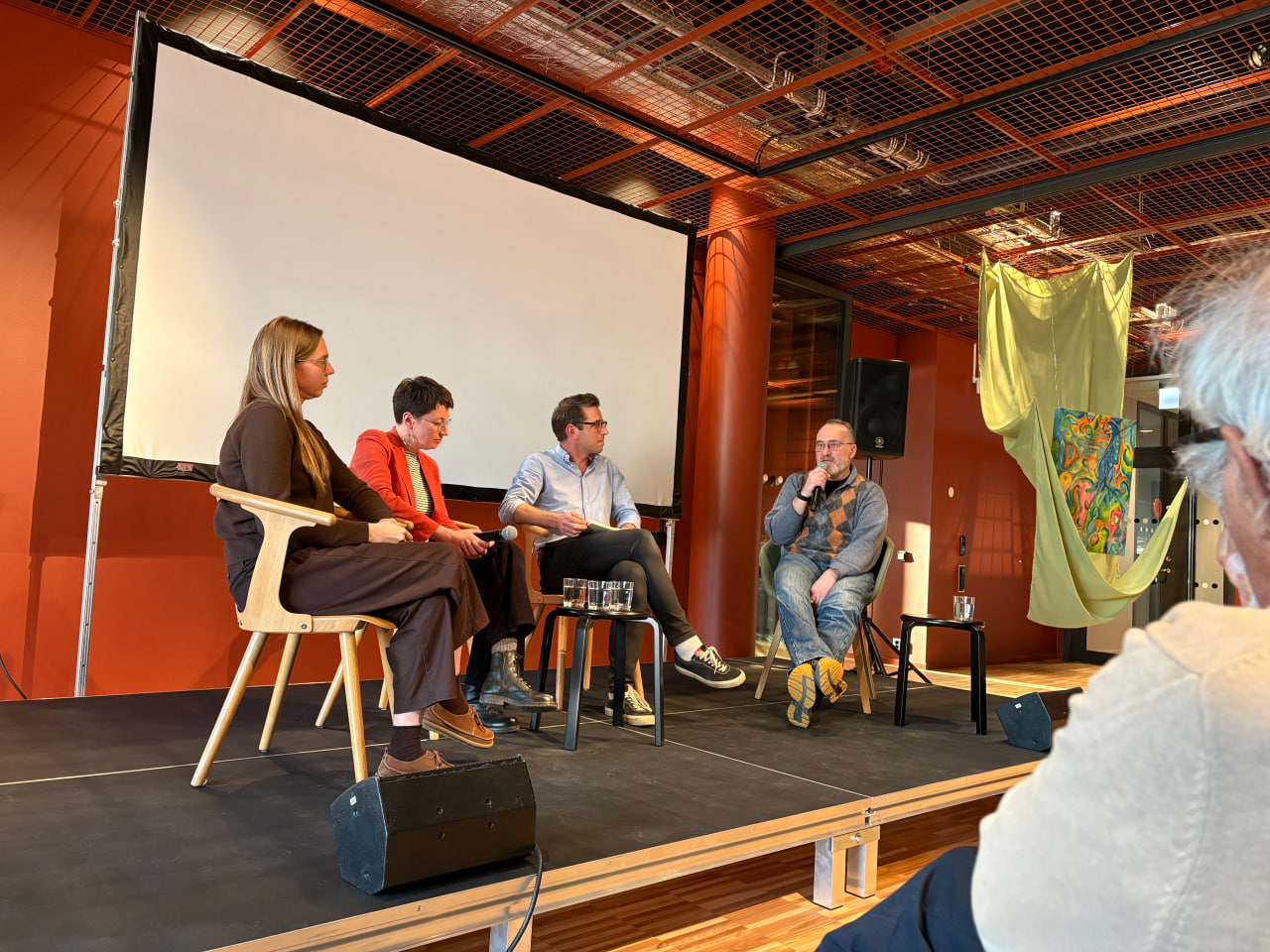
Day Two
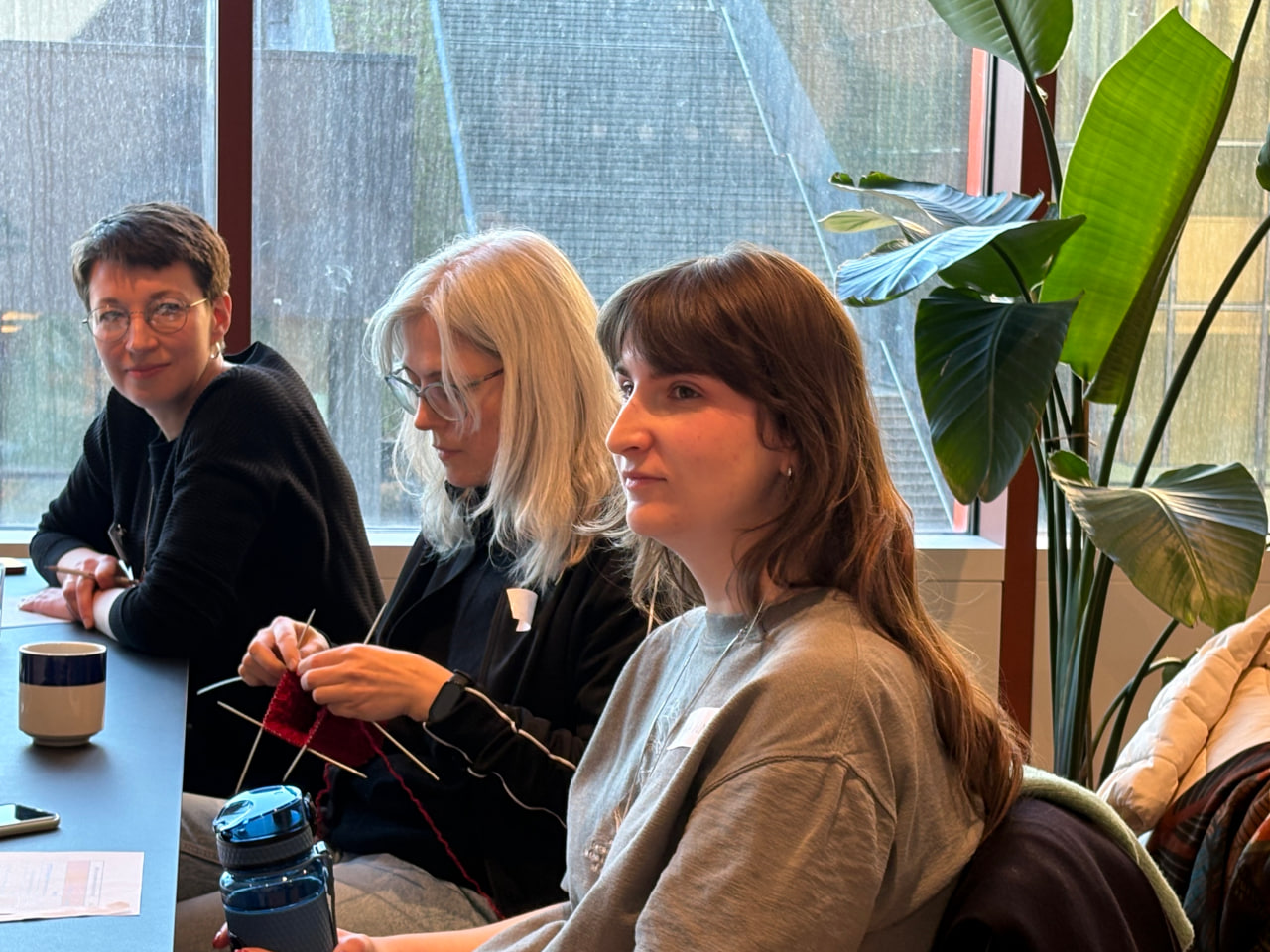
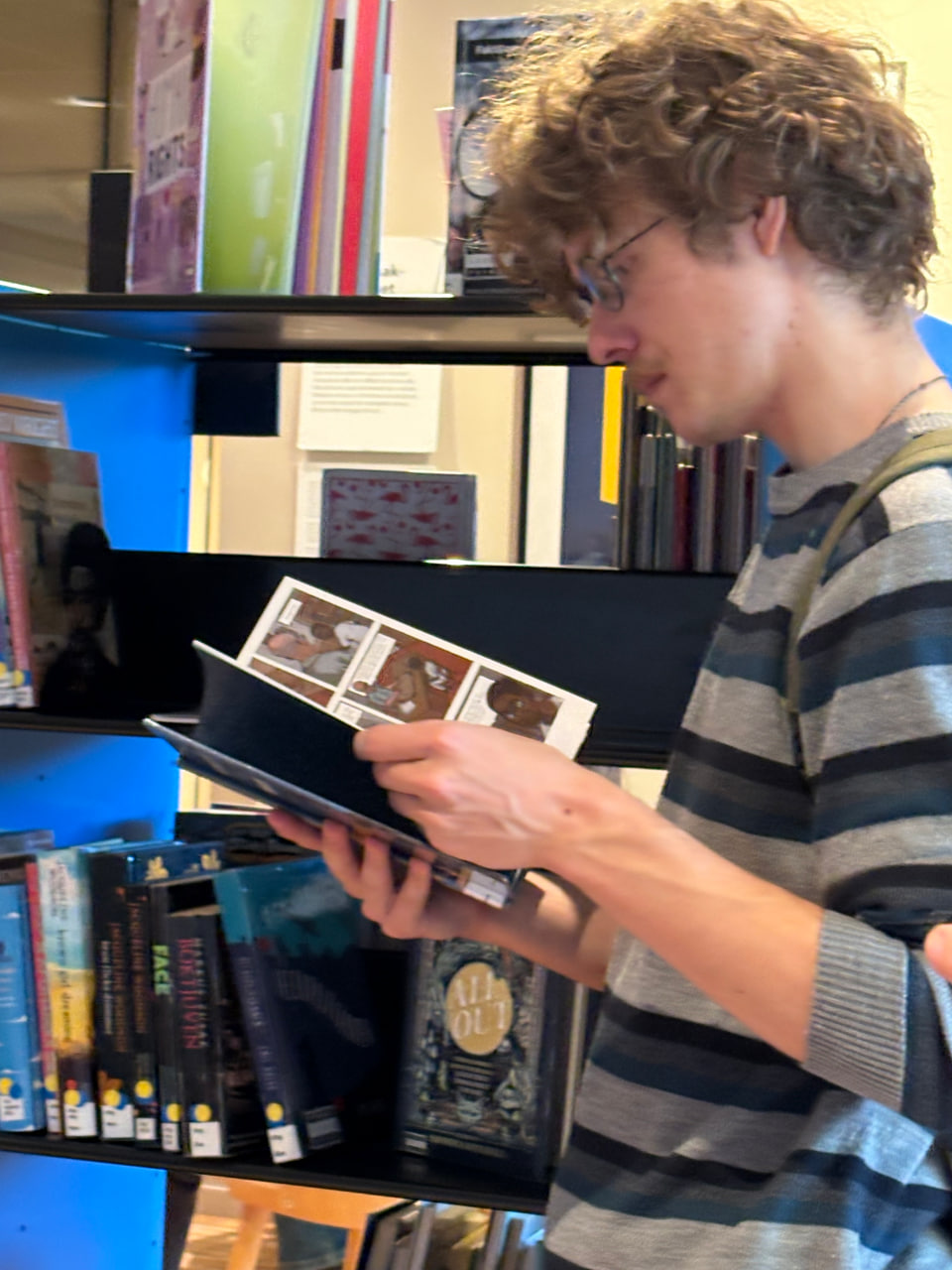
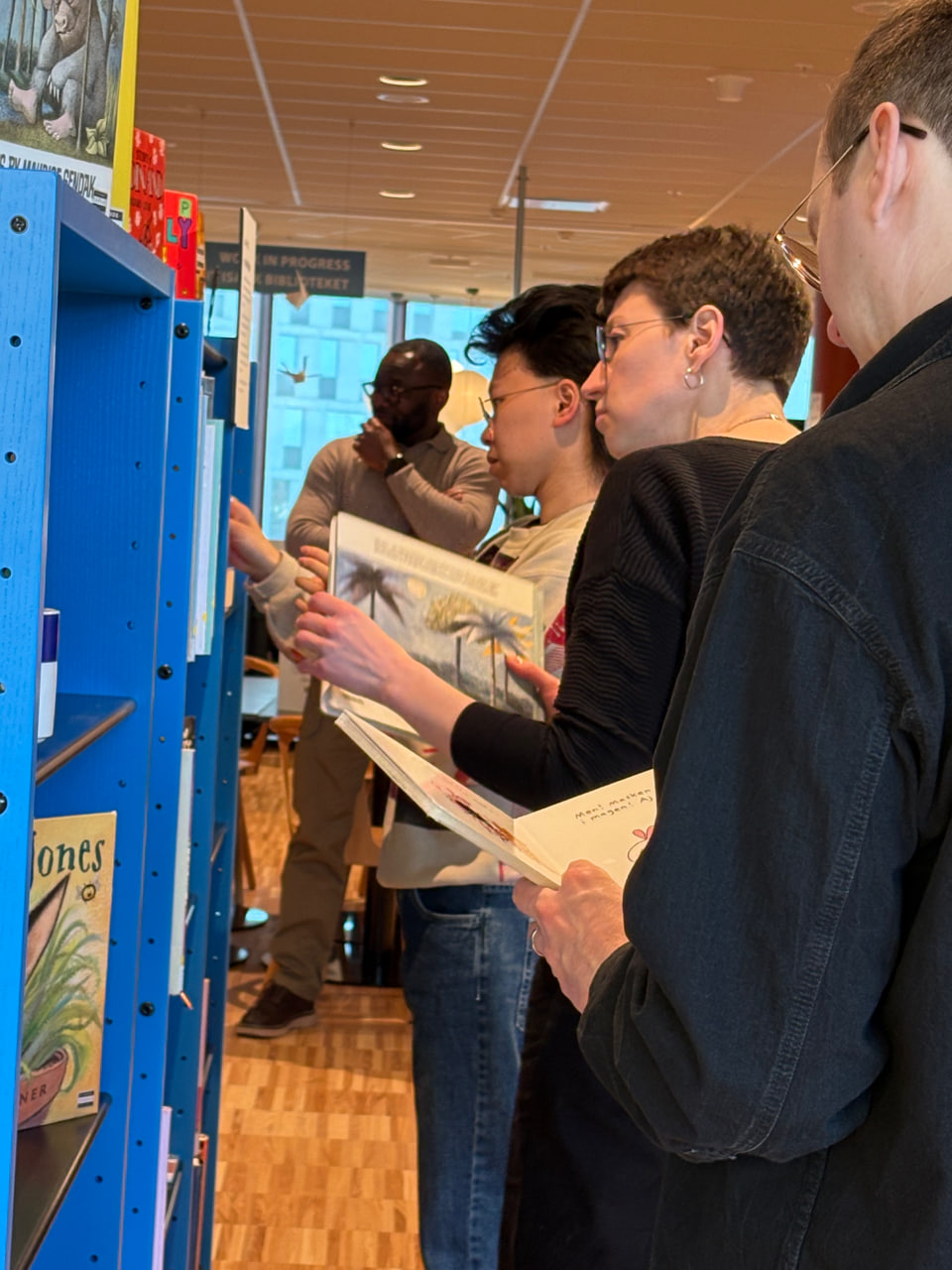
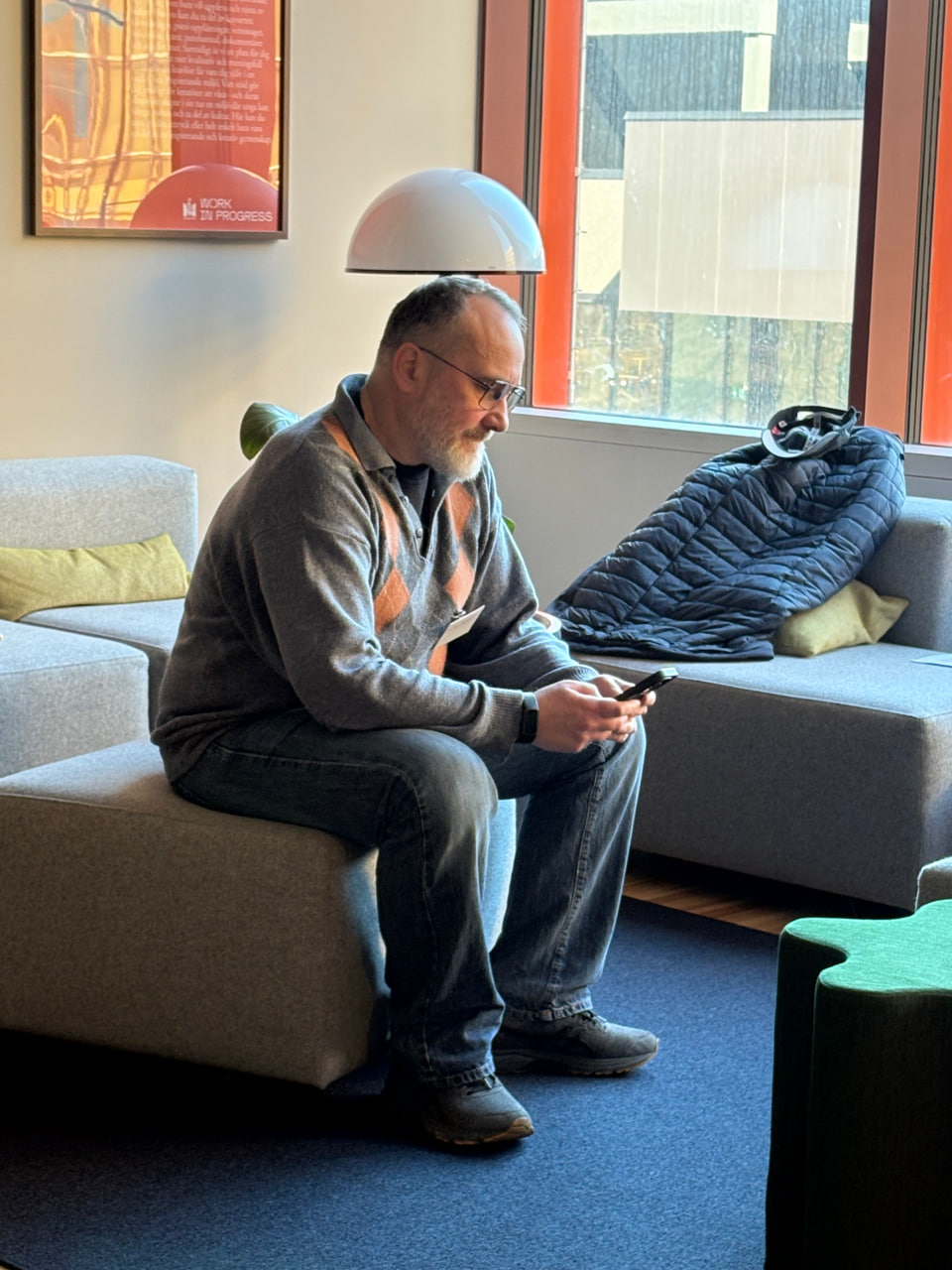
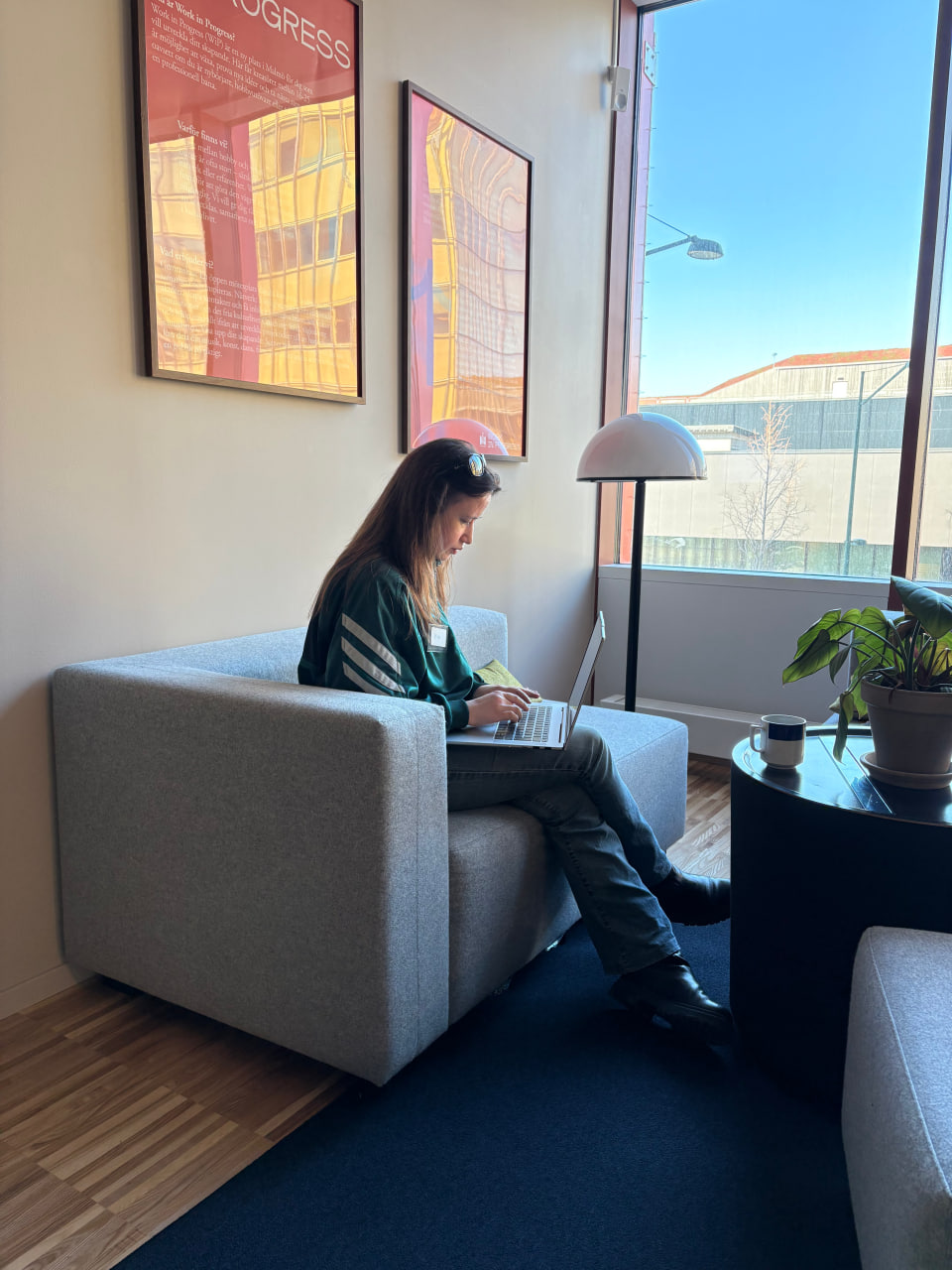
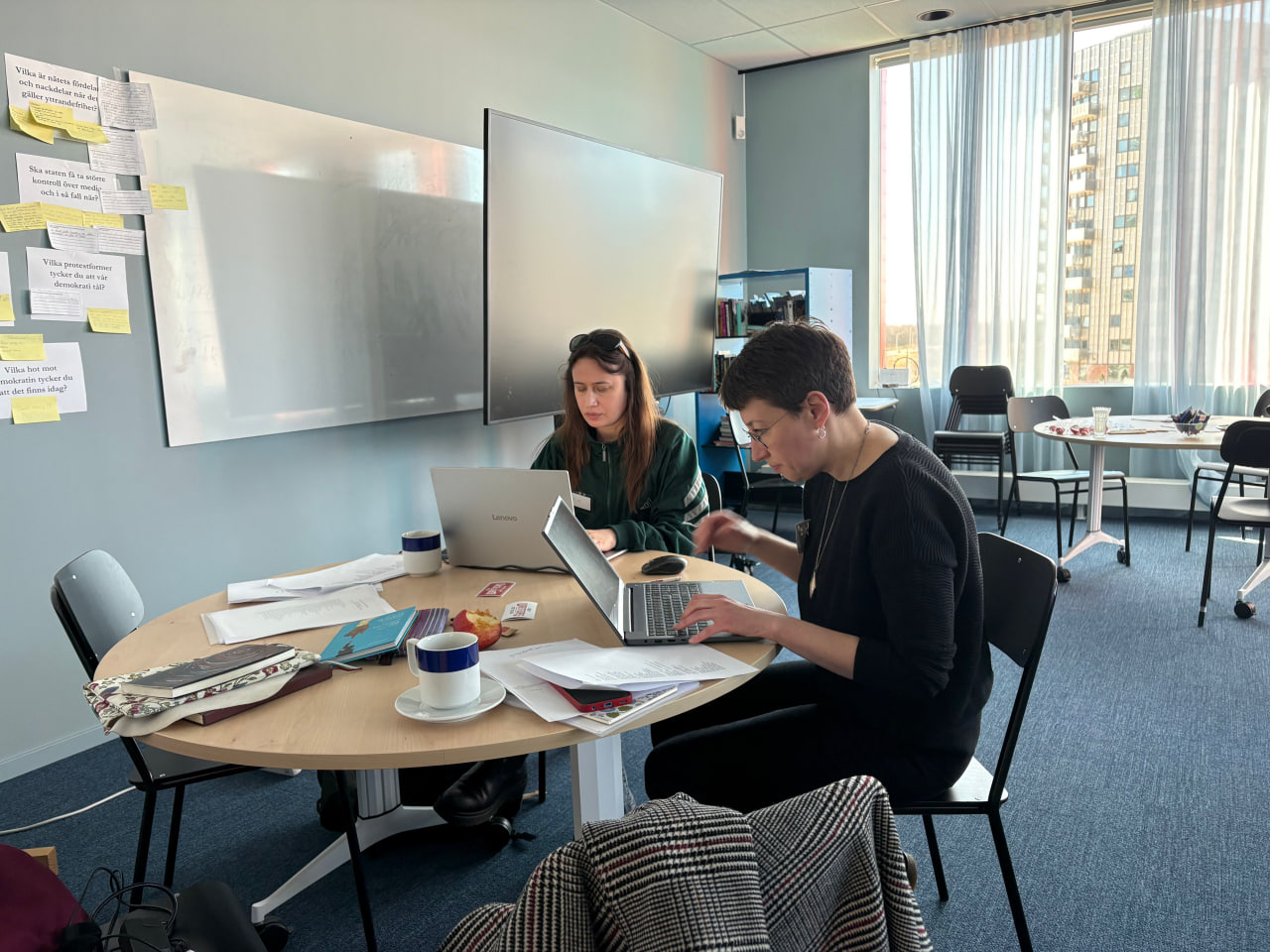
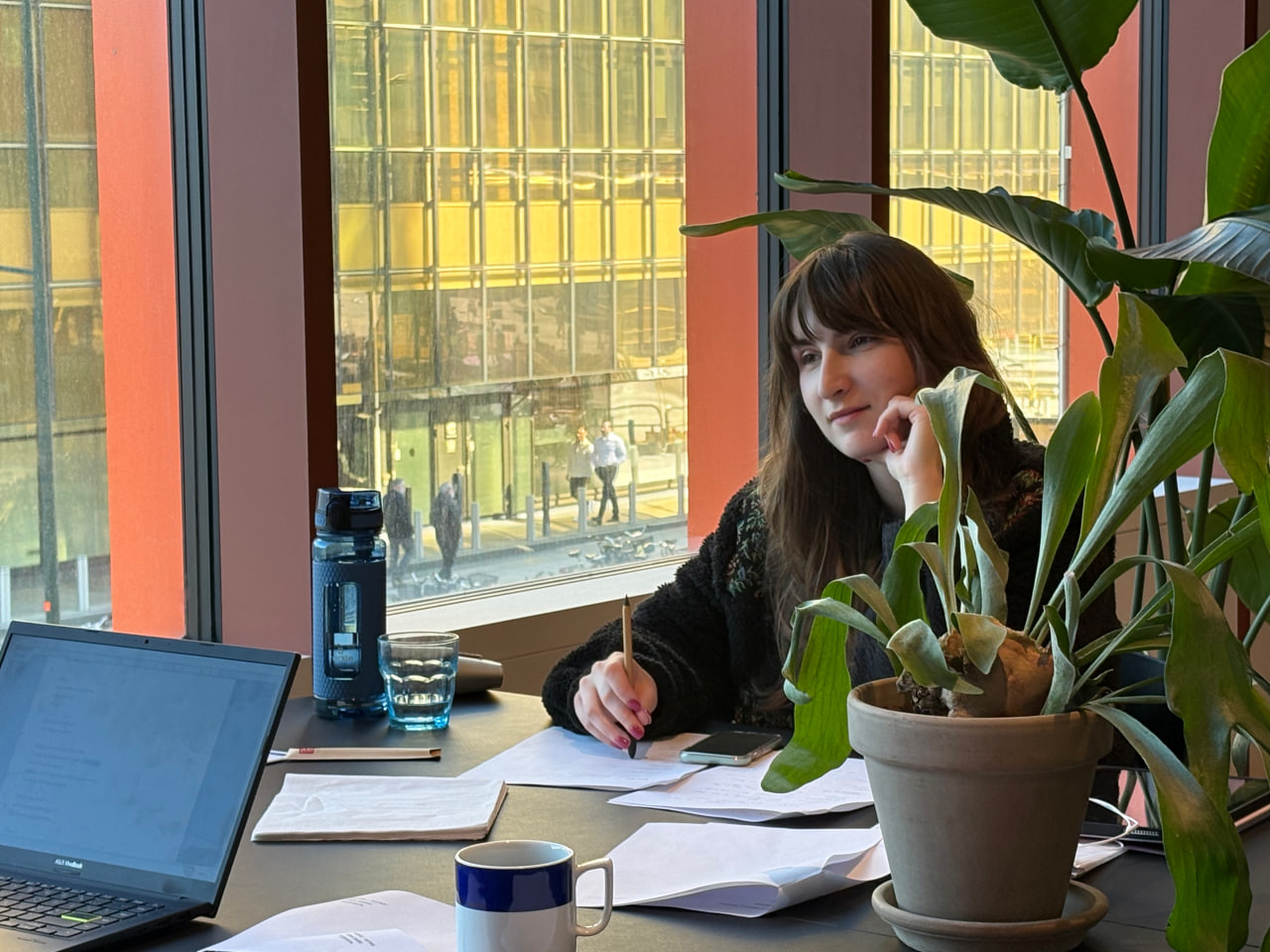
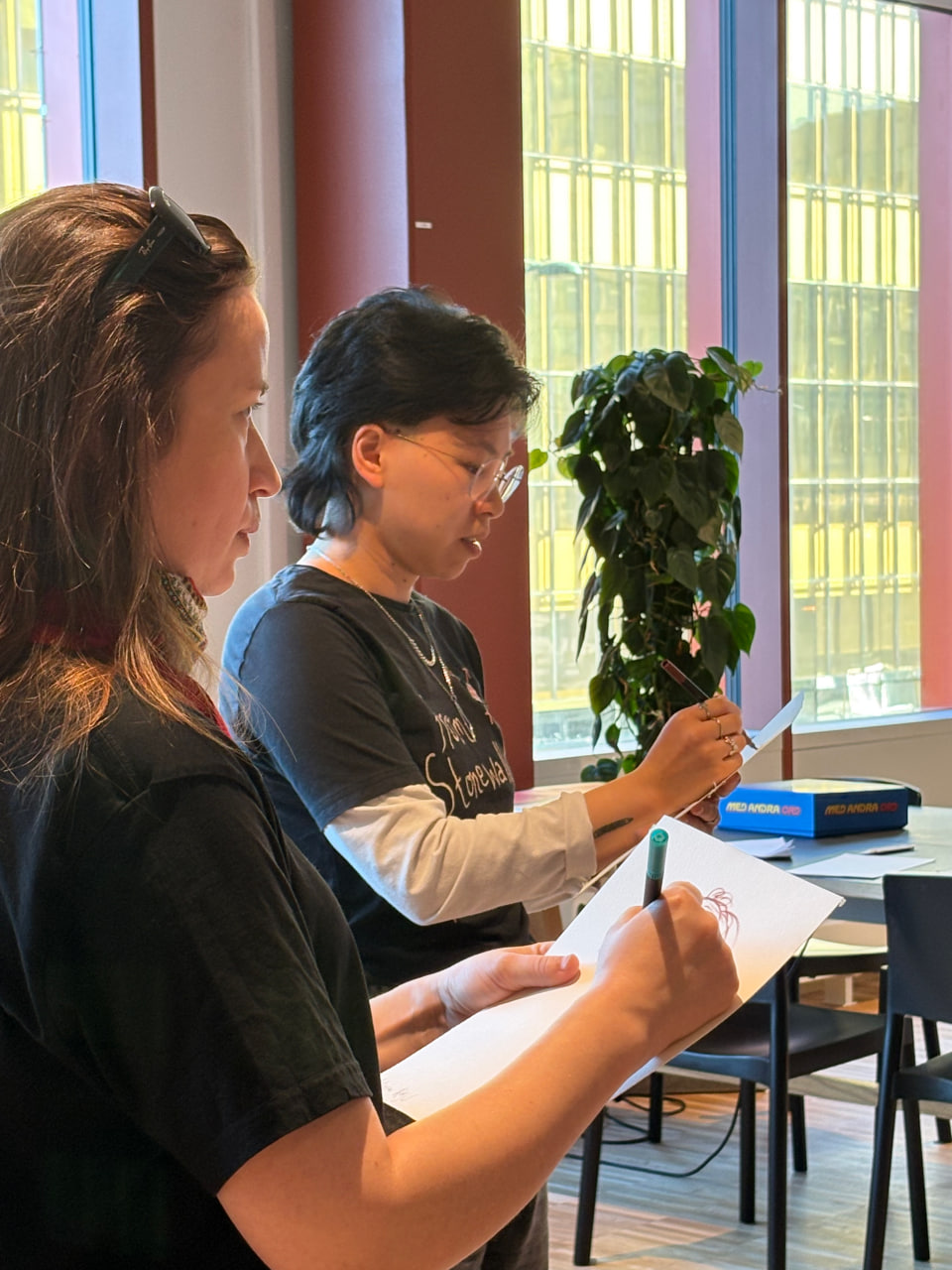
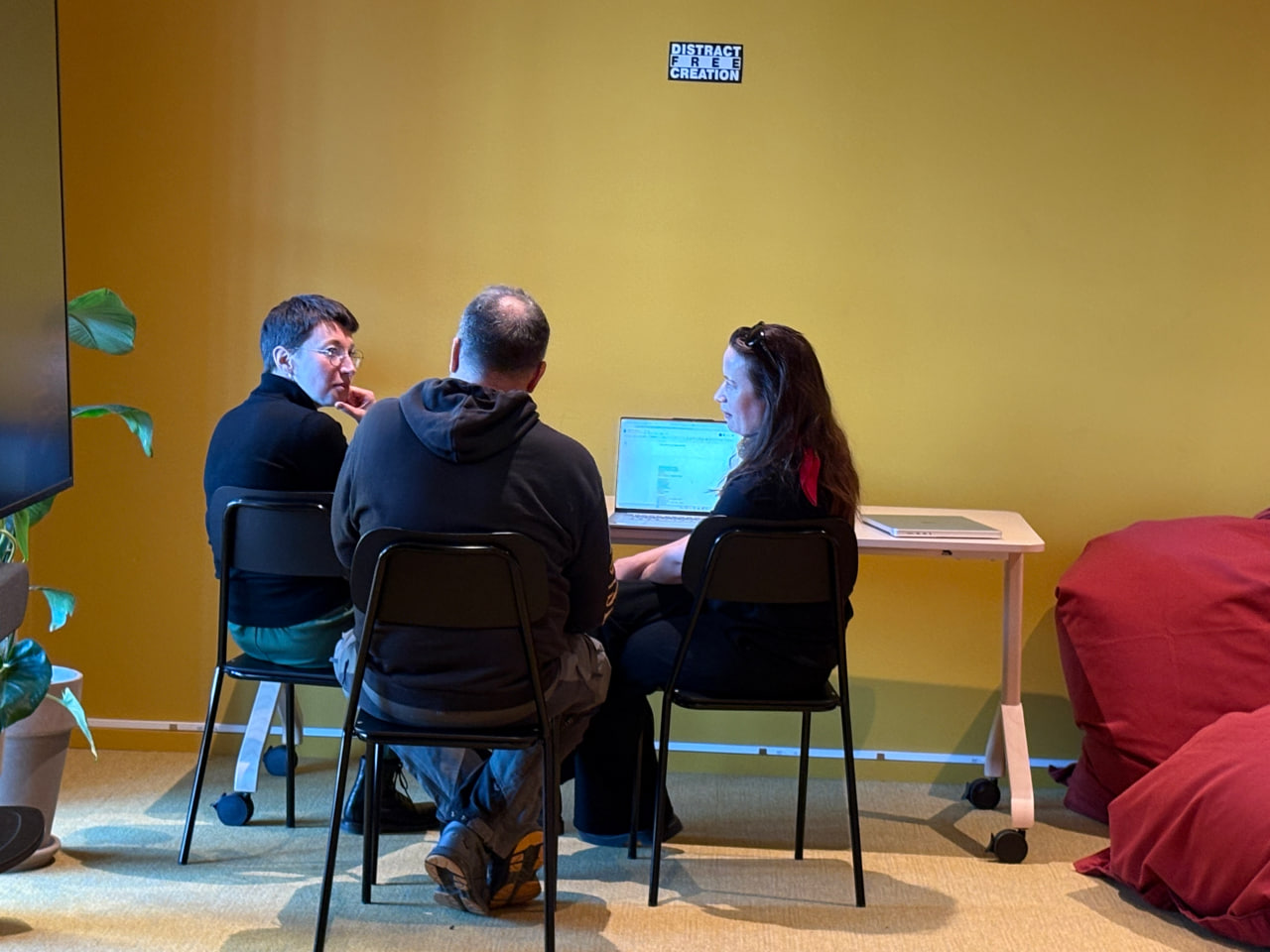
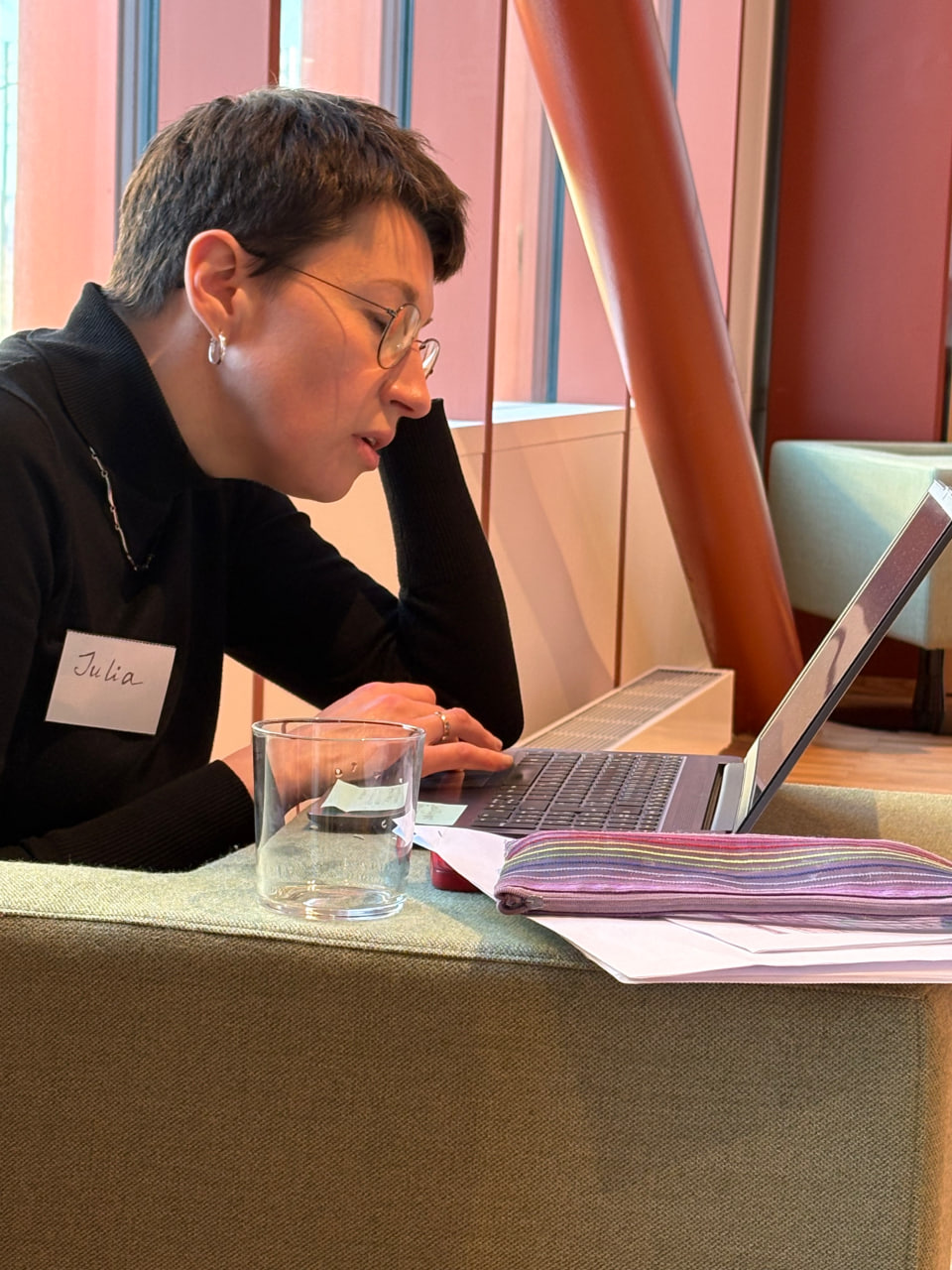
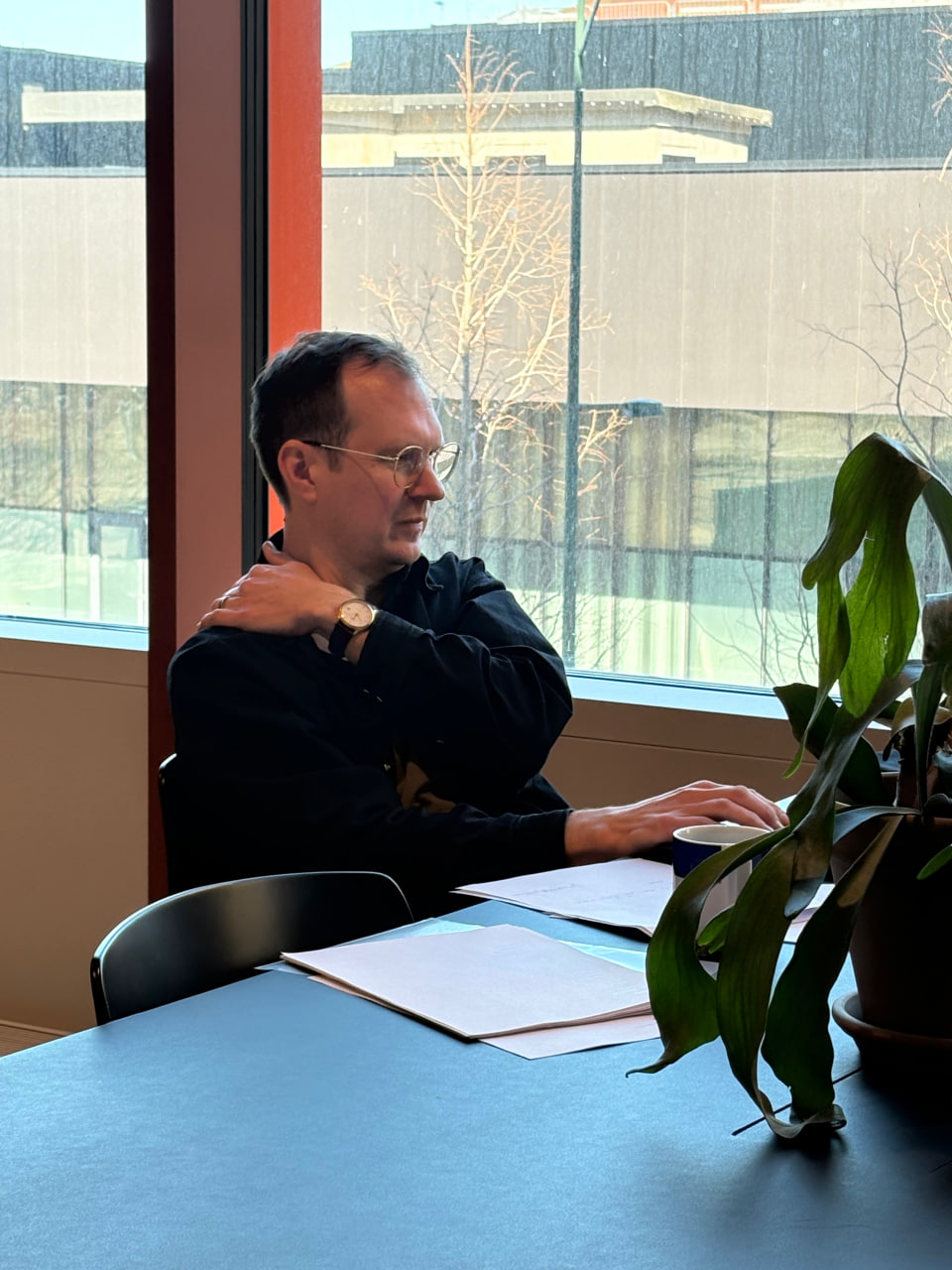
The second day was dedicated to more focused and in-depth work within the translation pairs. Participants dispersed throughout the library, finding quiet corners where they could immerse themselves in each other’s poetry. Together, they navigated cultural references, linguistic nuances, and poetic imagery, searching for ways to recreate not only meaning but also voice, rhythm, and atmosphere across languages.
Whenever they encountered a particularly challenging passage, they could turn to Dmitri Plax. Thanks to his deep knowledge of both languages and his extensive experience as a poetry translator, he was able to guide participants through difficult cases, helping them find creative solutions while remaining faithful to the spirit of the original texts.
For Swedish poet Jonas Gren, exploring linguistic nuances proved to be an important part of the process:
“When you play with words in one language, it’s almost or it is impossible to translate the whole meaning of that word play, and then you have to find something else to play with, and then it becomes a new poem. Sometimes you translate one poem, and you make a version, but sometimes what’s there at the end is a complete new poem, and sometimes it has to be like that.”
Belarusian poet Julia Cimafiejeva also reflects on the subtle nuances of translation:
“Ylva offered several poems, each of them containing perhaps no more than a dozen words in total. But because there are so few of them, every single word carries much more weight. So I found myself searching for words that could do the same in Belarusian—words that, on the one hand, carry greater weight, and on the other, remain quite simple. I was looking for Belarusian words that are both simple and weighty—not heavy, exactly, but weighty.”
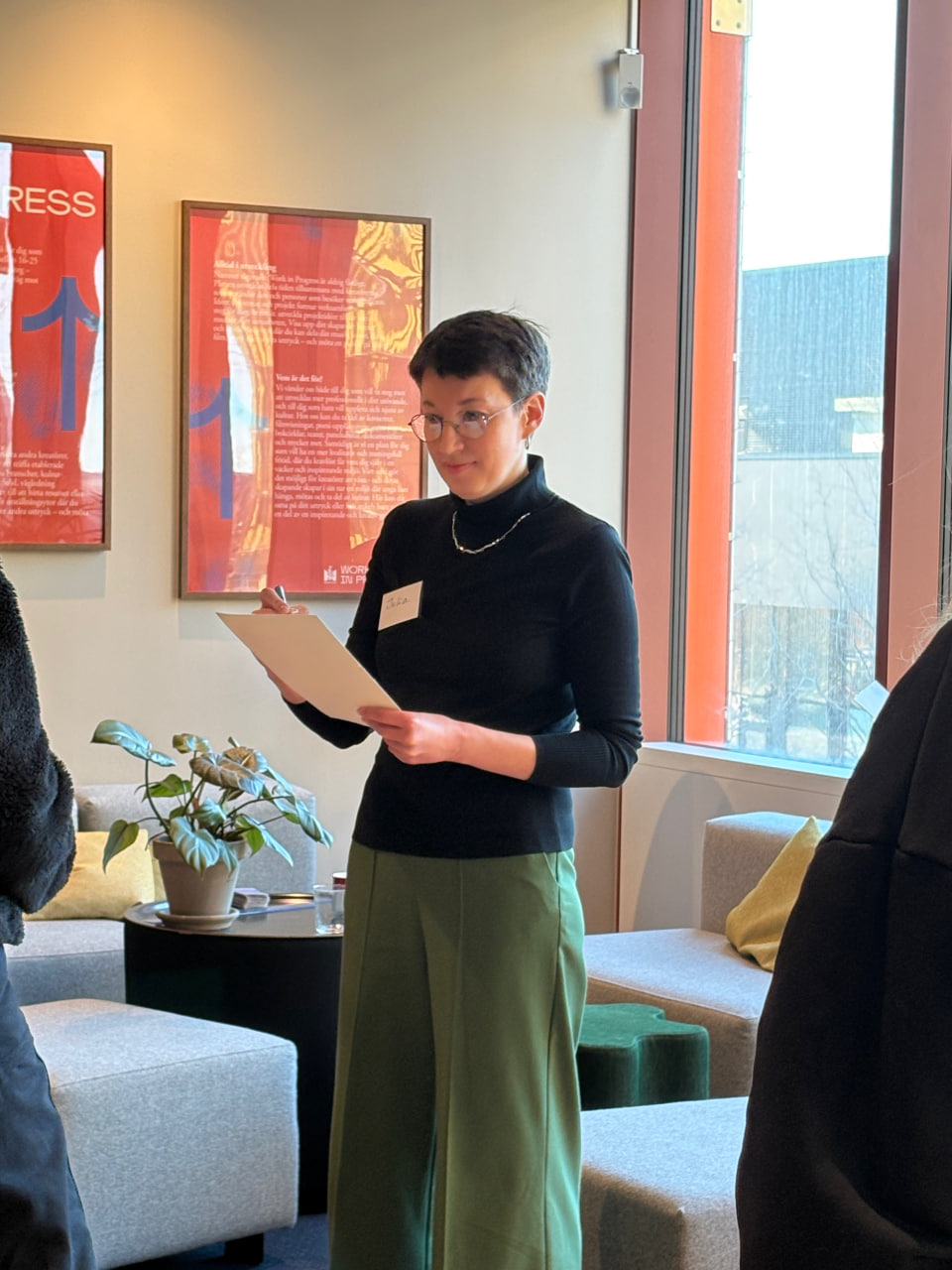
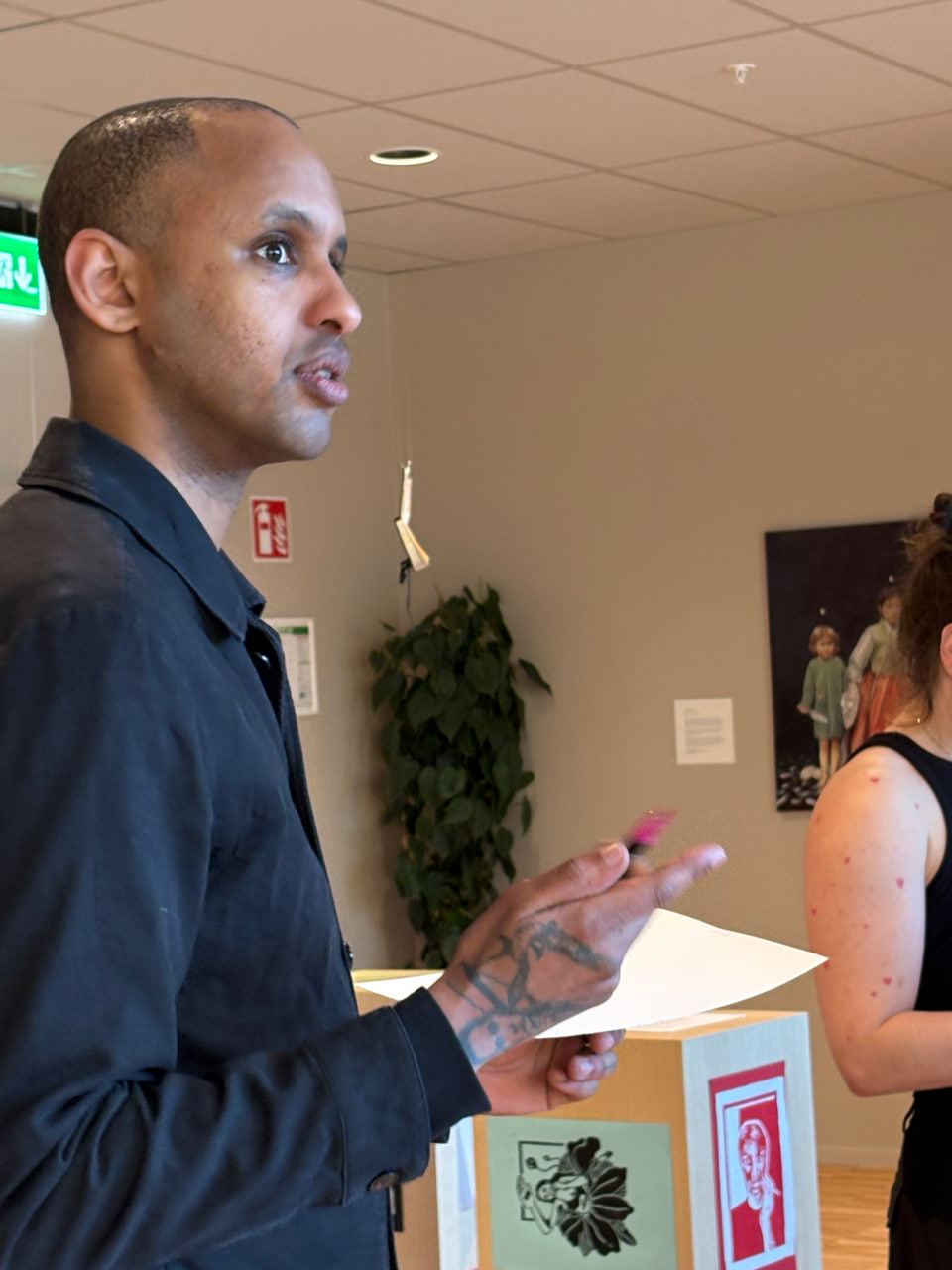
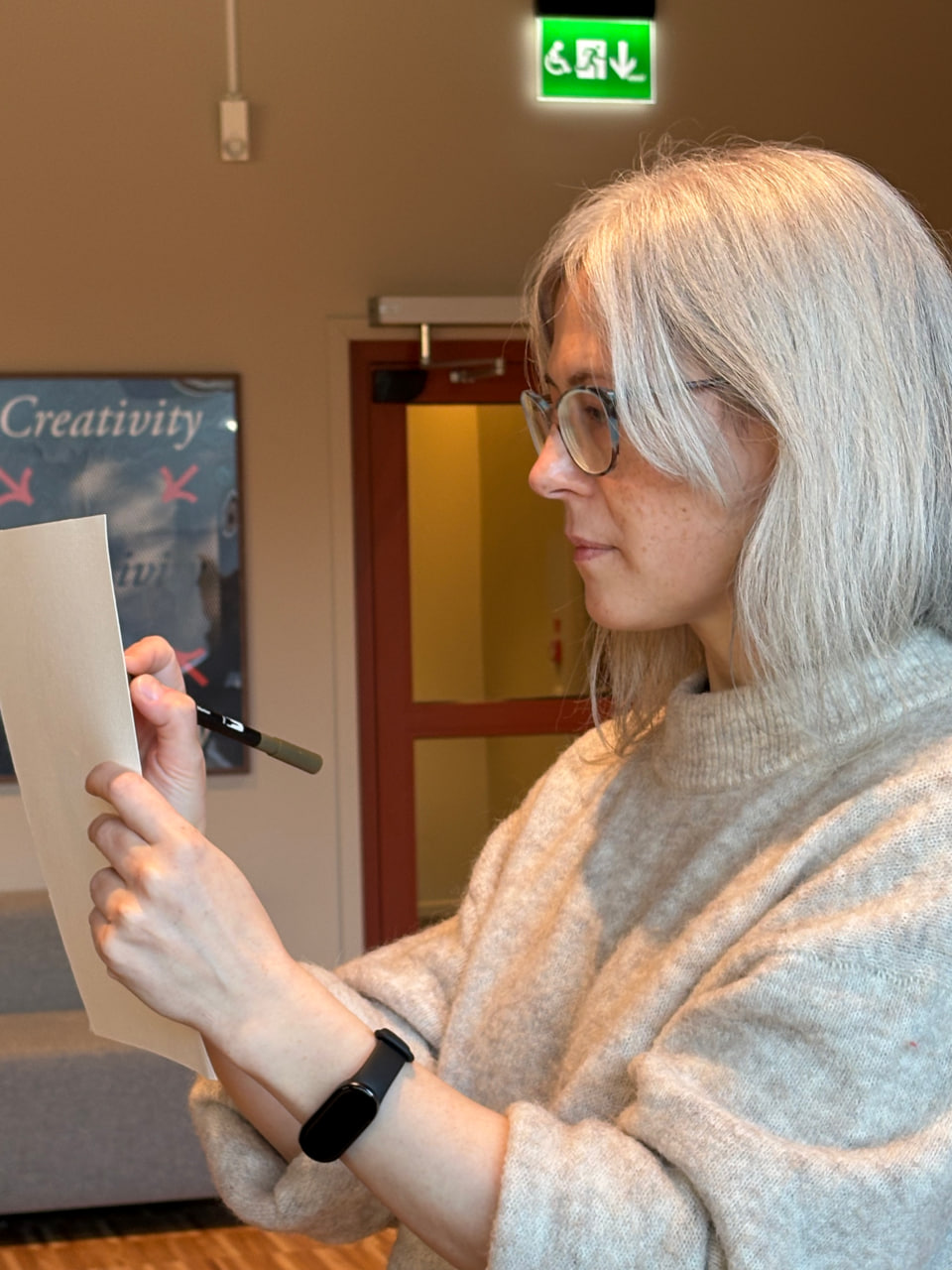
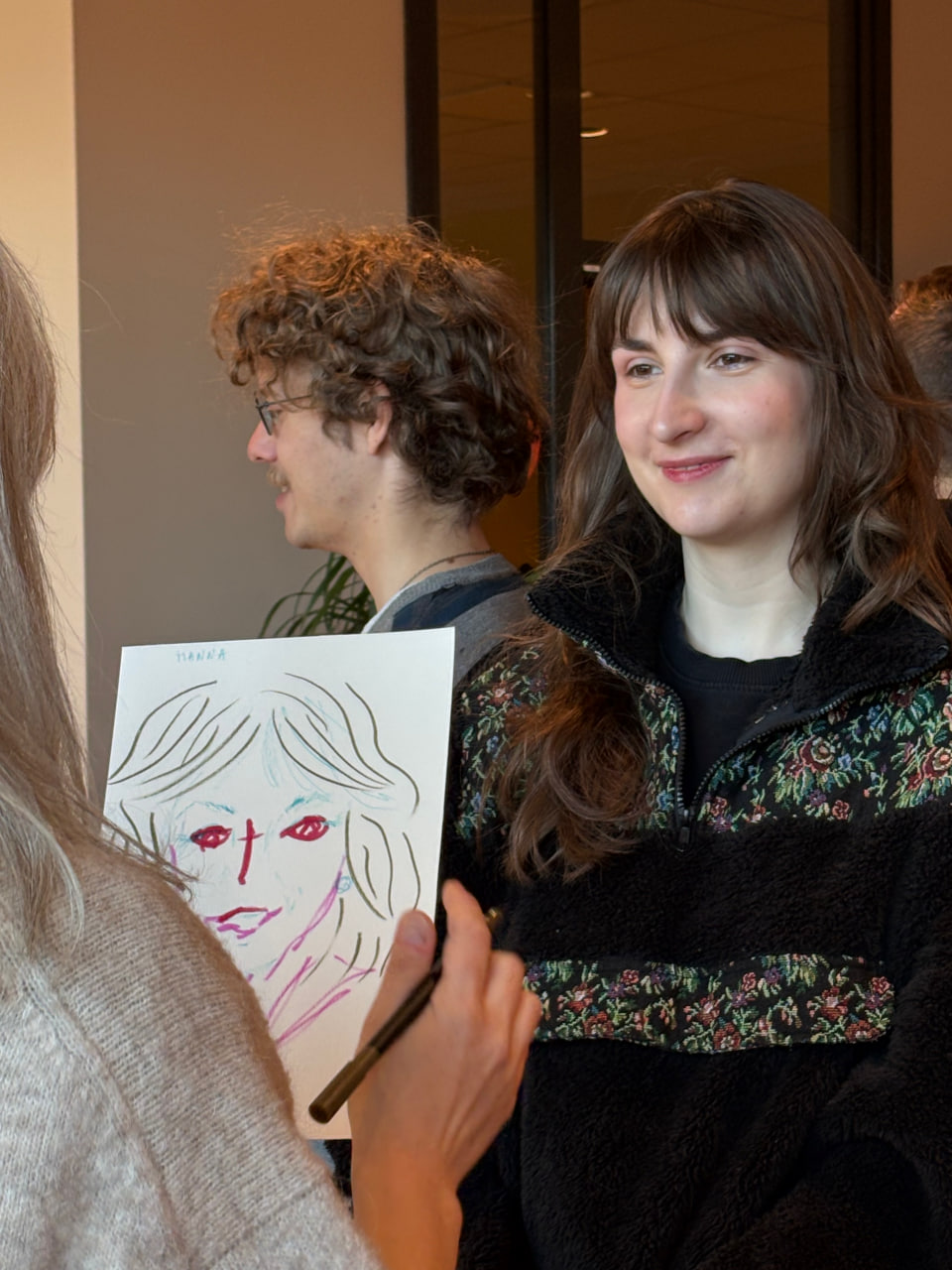
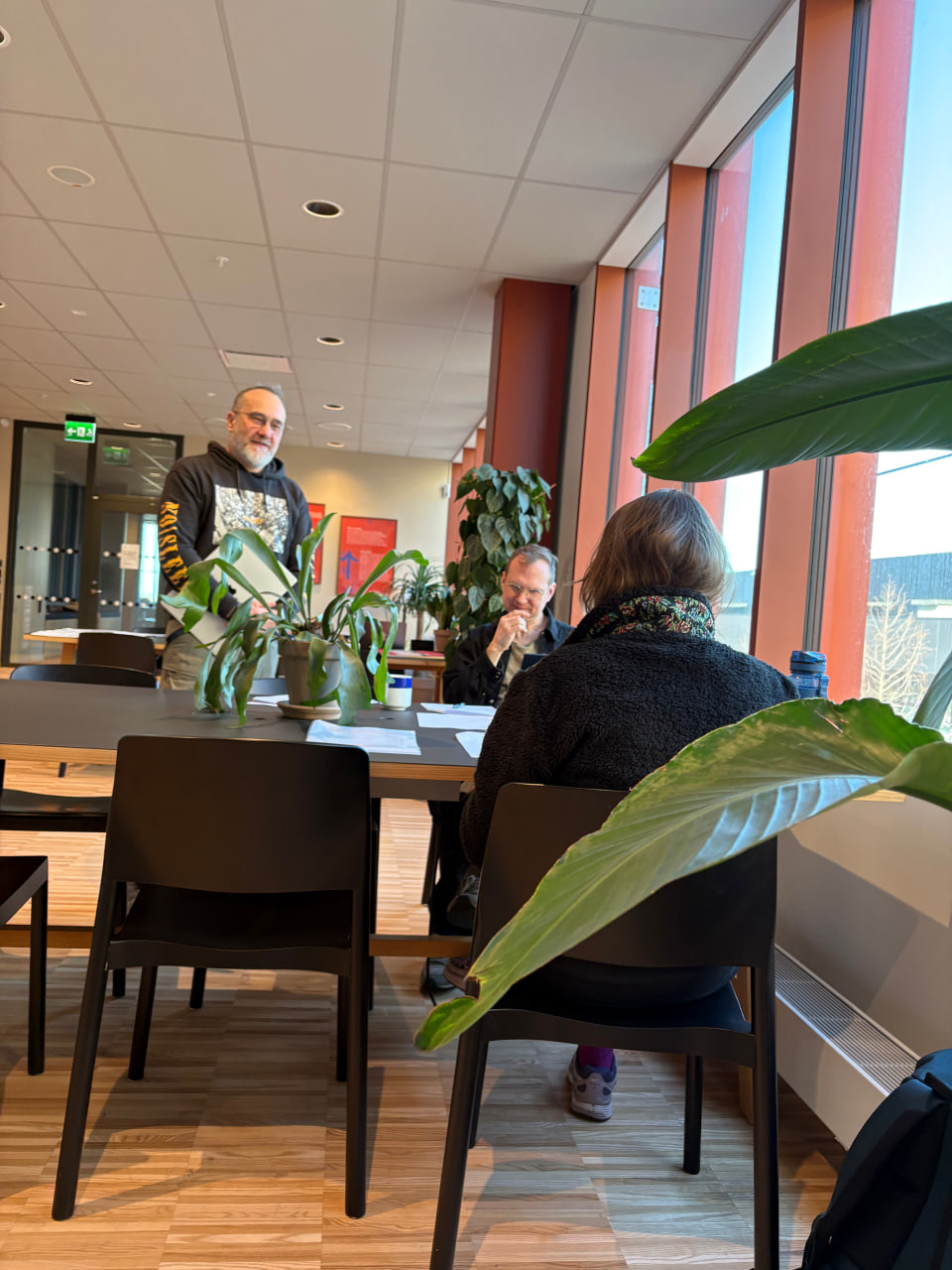
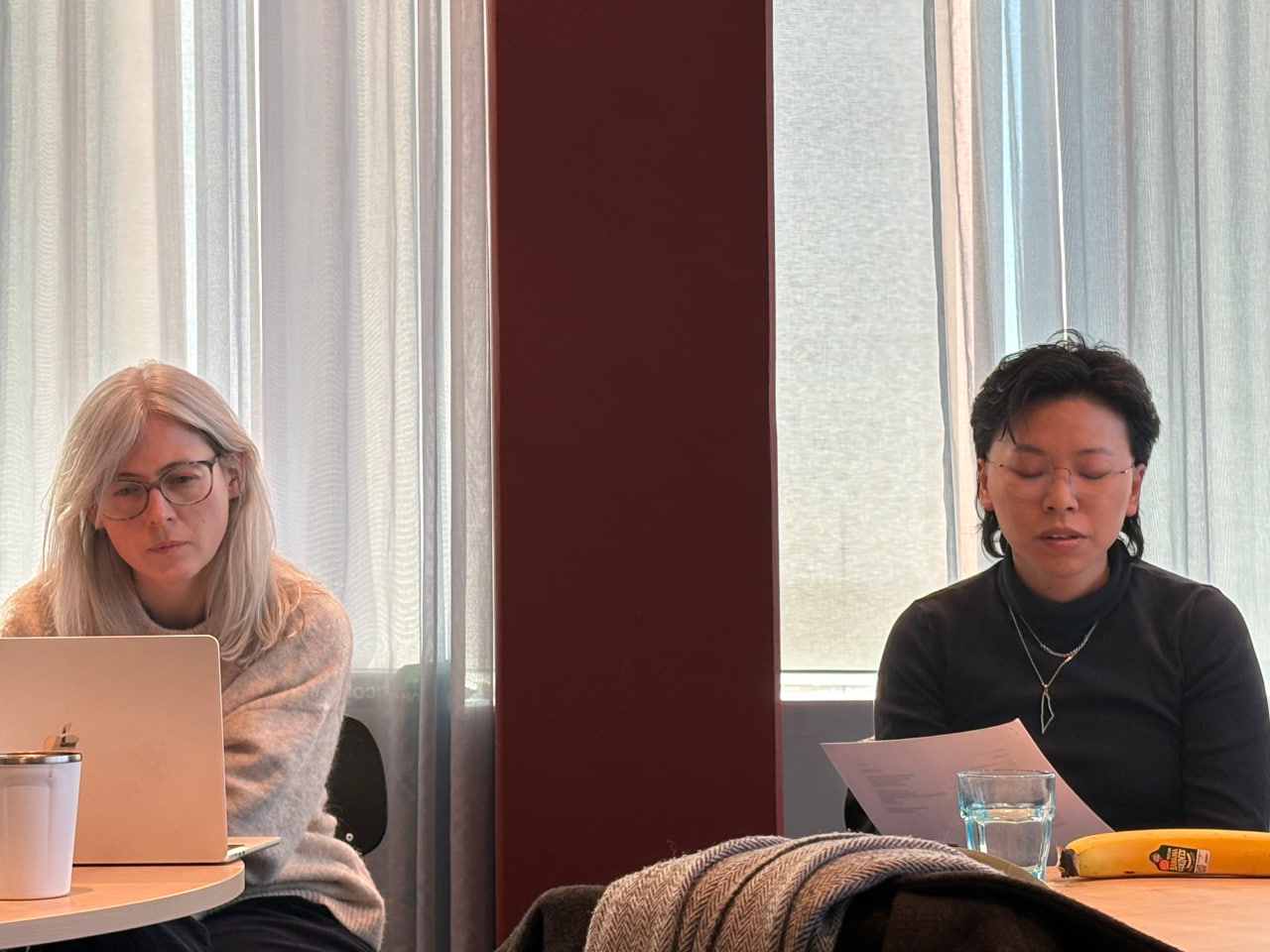
The workshop concluded with a final presentation of the poems and translations developed over the two days. The participants shared the results of their collaboration, offering a glimpse into the literary conversations that had unfolded throughout the workshop. What remains now is the final stage of the journey: refining the translations, working with editors, and preparing the texts for publication.
Soon, readers in Belarus and Sweden will be able to discover the fruits of this exchange—new translations born from dialogue, curiosity, and a shared belief in the power of poetry to connect people across languages and borders.
This publication has been produced with the financial support from the Nordic Council of Ministers. The content of this publication is the sole responsibility of the coordinators of this project and does not necessarily reflect the views or policies of the Nordic Council of Ministers.