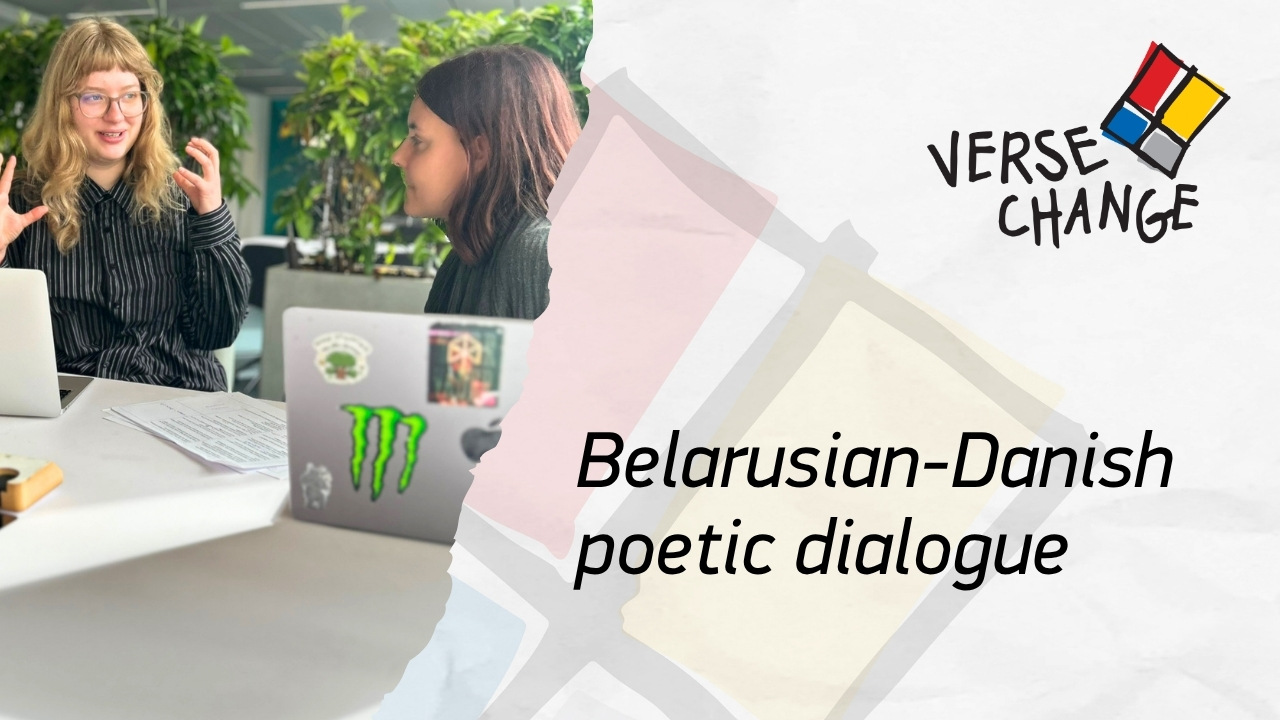
In March 2026, we began a Belarusian–Nordic poetic dialogue through the project verse X change. As the first stage, four Belarusian poets and translators travelled to Denmark, where they met with Danish colleagues to work together on mutual translations of each other’s poetry. As a result, contemporary Belarusian poetry will be published in Danish, while works by Danish authors will appear in Belarusian.
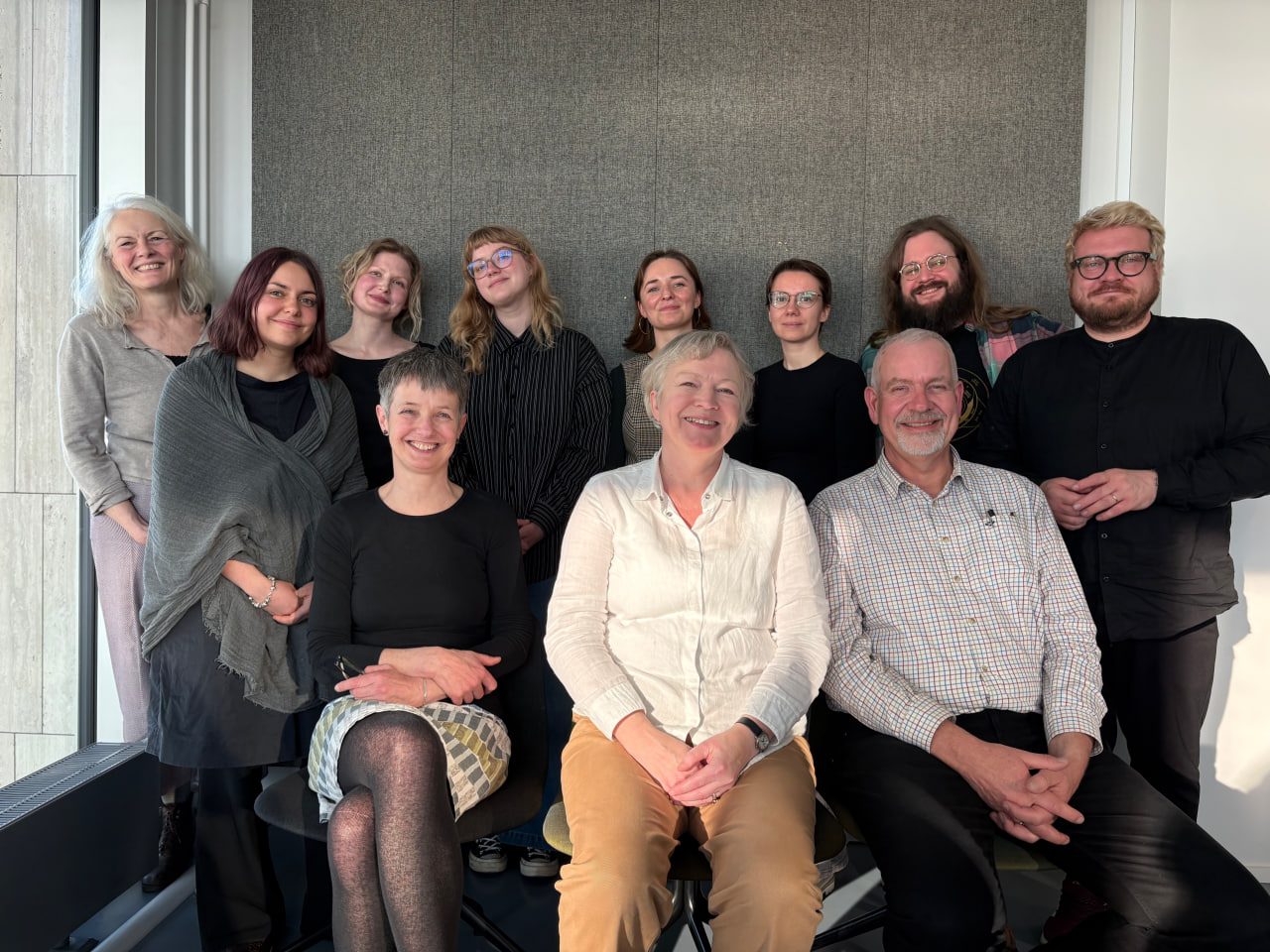
Representing Belarus were the poets Darya Bialkevich, Siarhiej Kalenda, Kseniya Stasiukevich, and Hrozya Vicík. Their Danish counterparts and creative collaborators were Christine Kærulv, Cecilie Rönnow Egerup, Katinka Bukdahl Søby, and Joakim Vilandt.
We were especially fortunate to be joined throughout the residency by three wonderful mentors — Tine Roesen, Harald Hartvig Jepsen, and Lotte Jansen. Their guidance helped participants connect across languages and cultures, navigate the subtleties and challenges of literary translation, and, ultimately, build lasting literary bridges between our two countries.
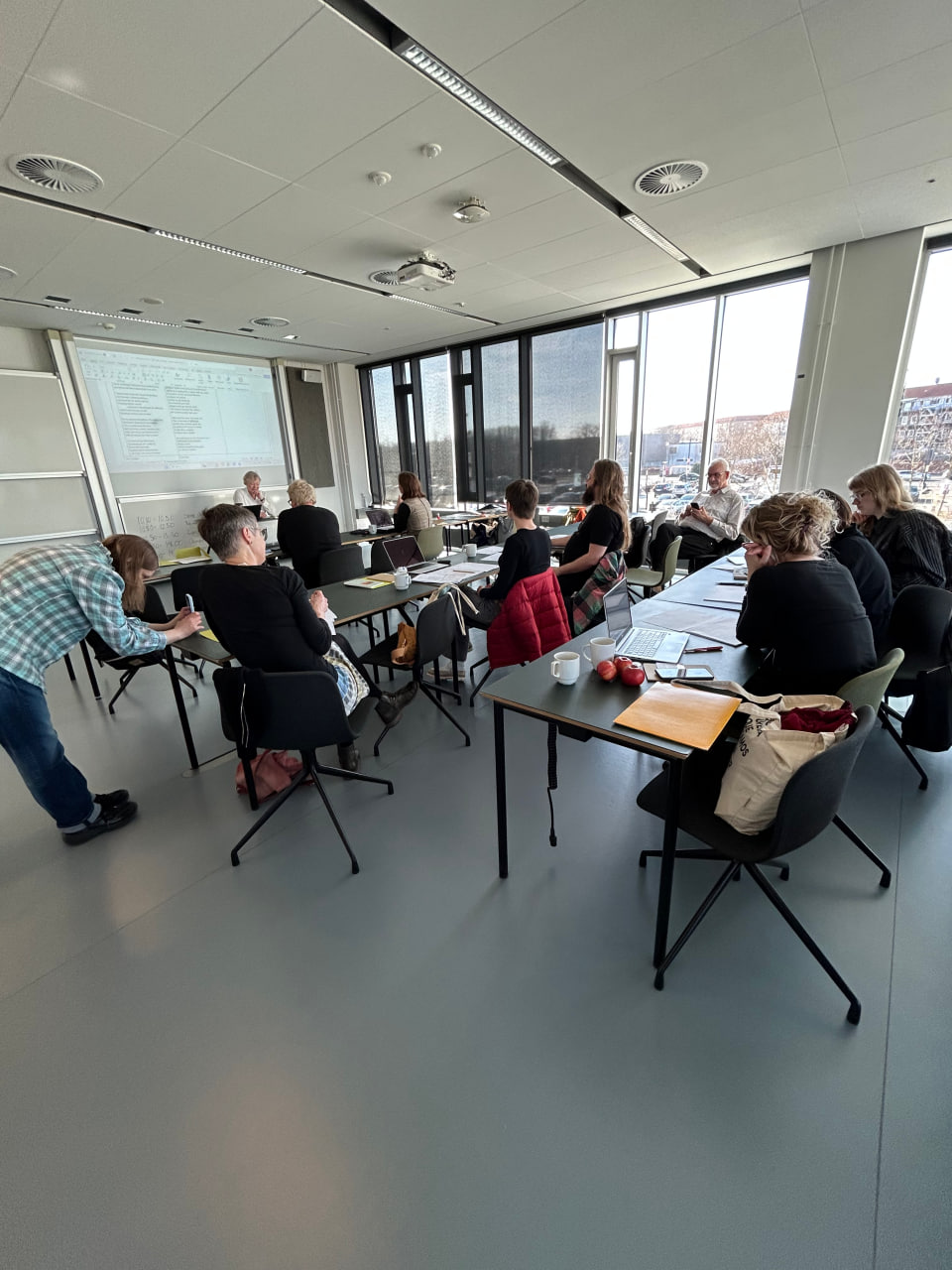
Day One
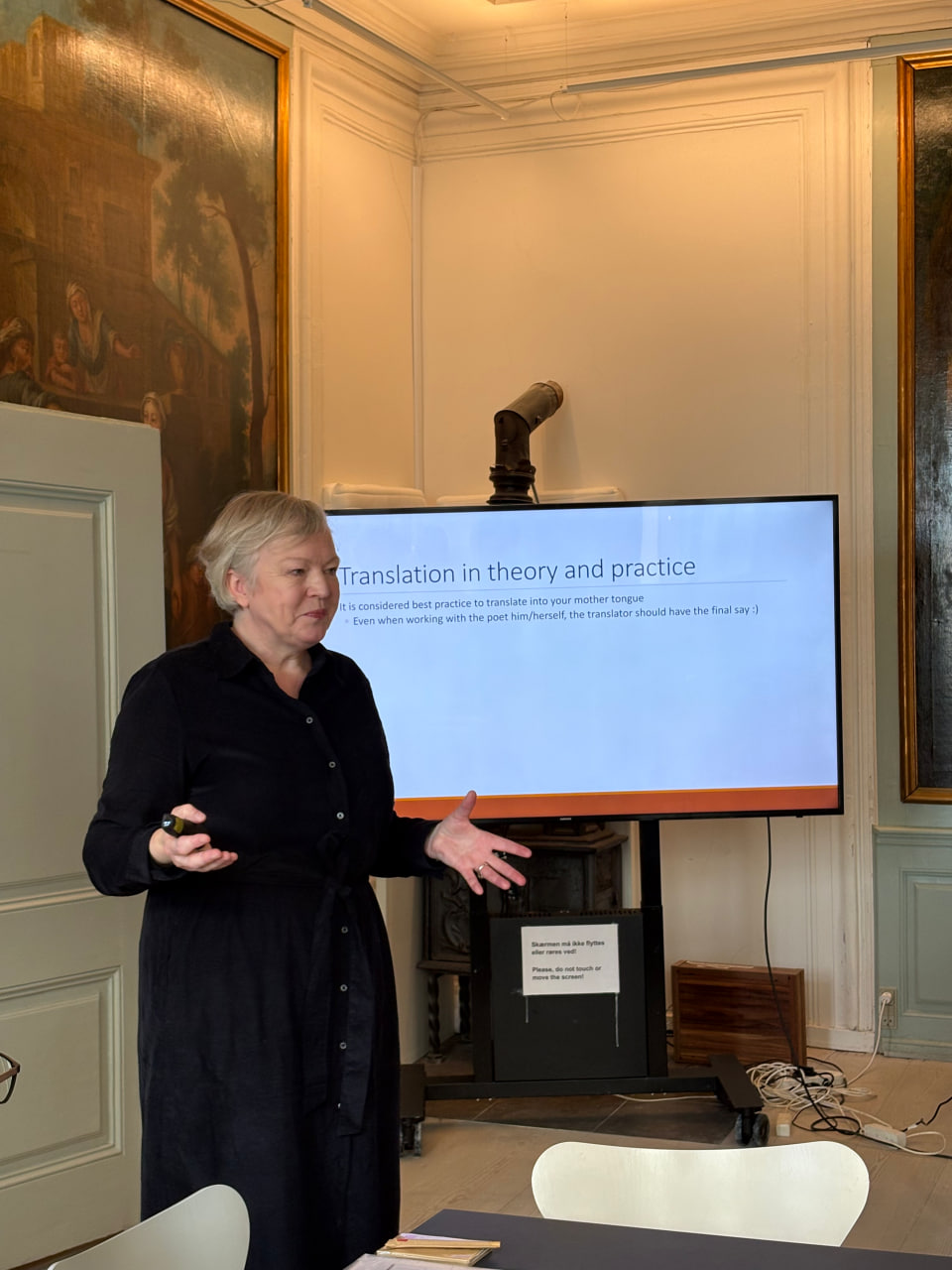
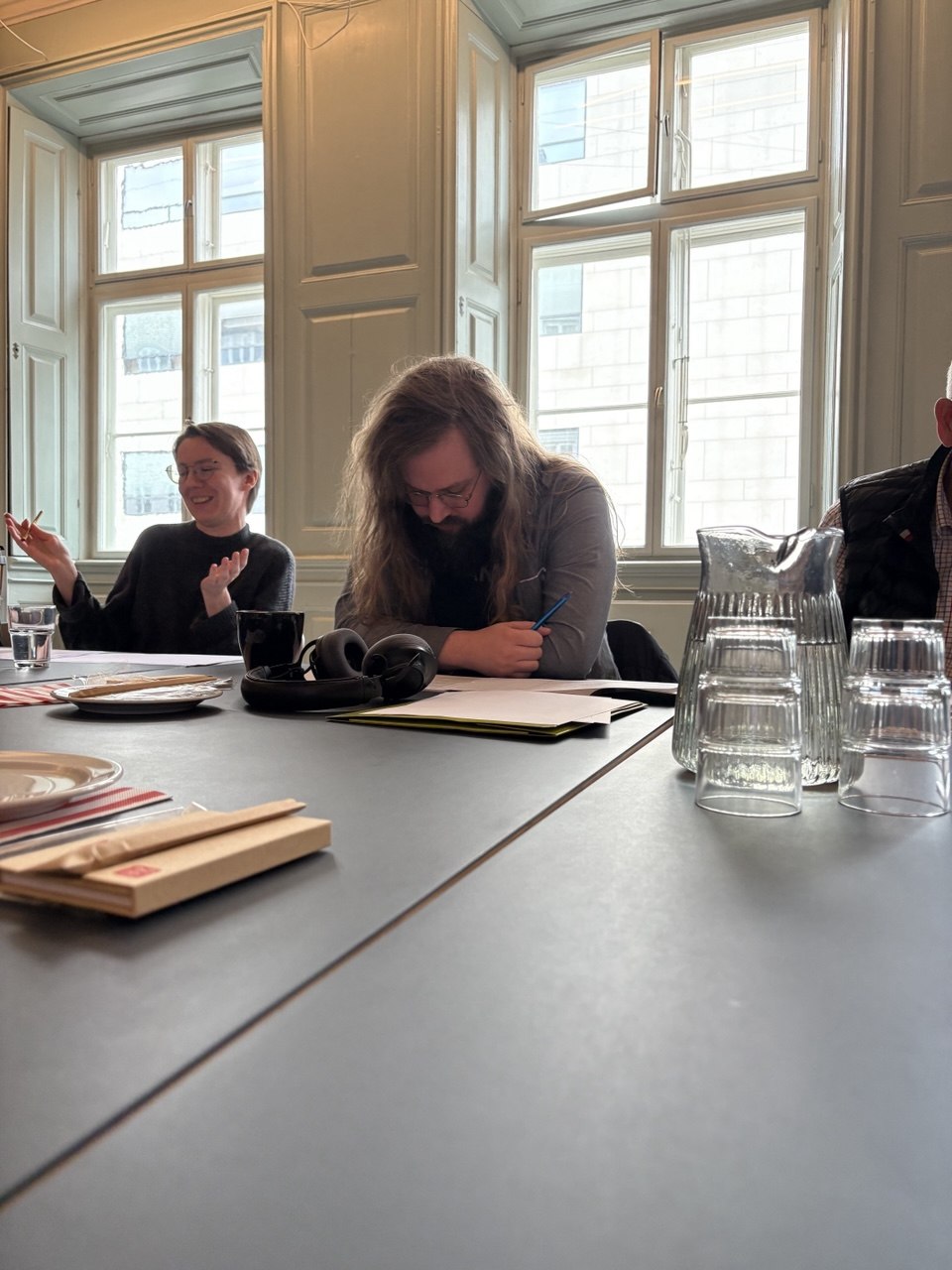
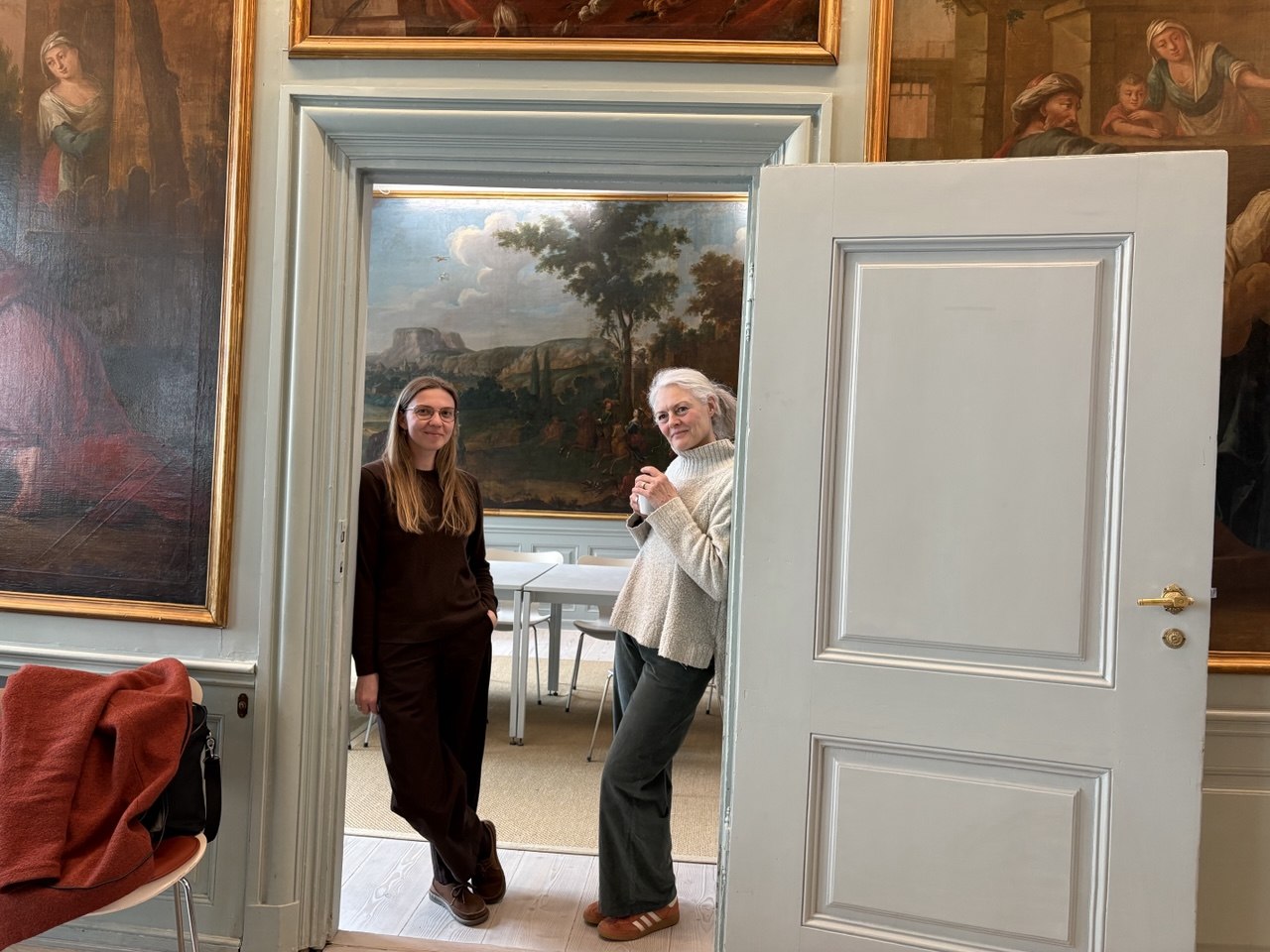
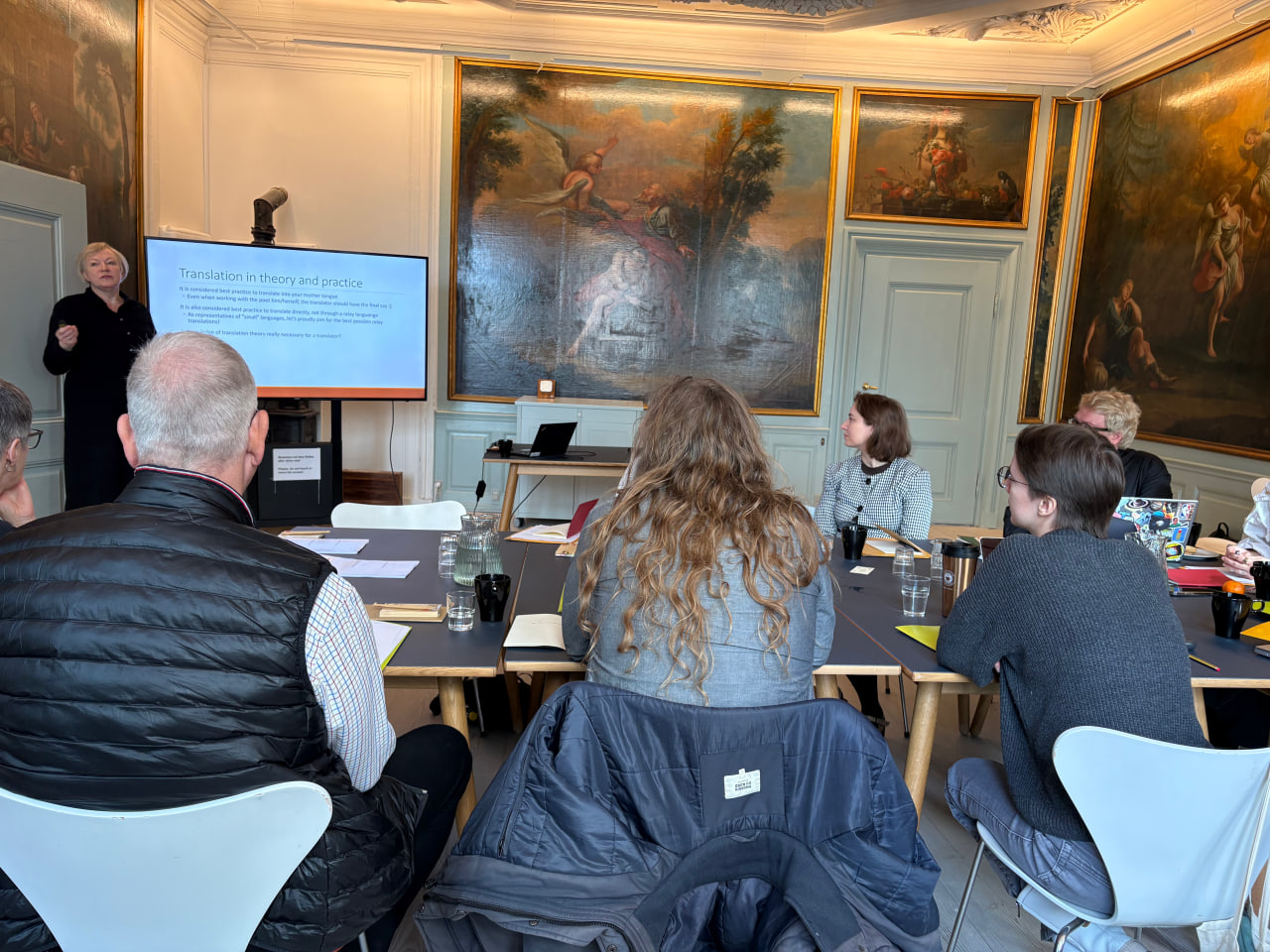
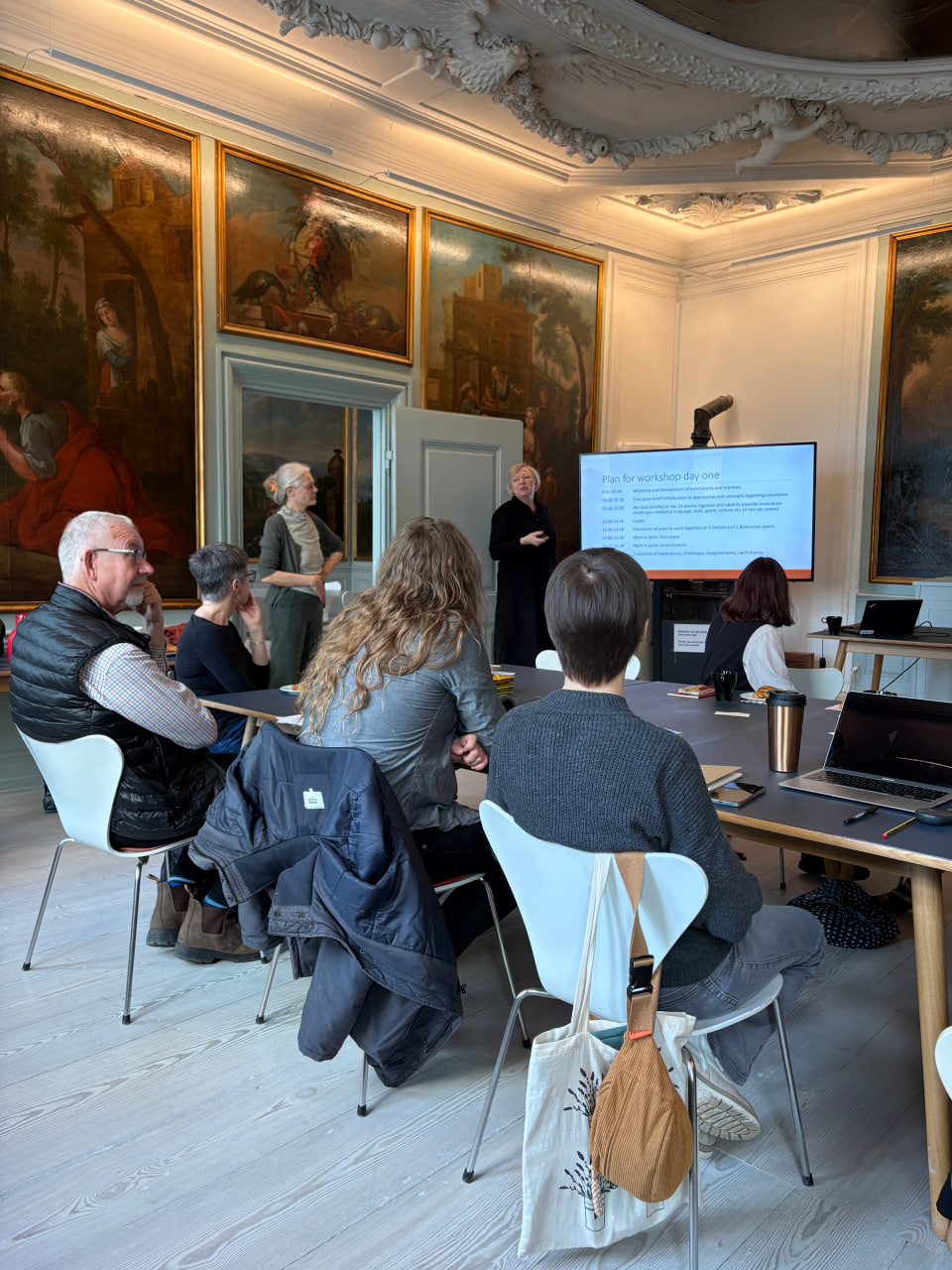
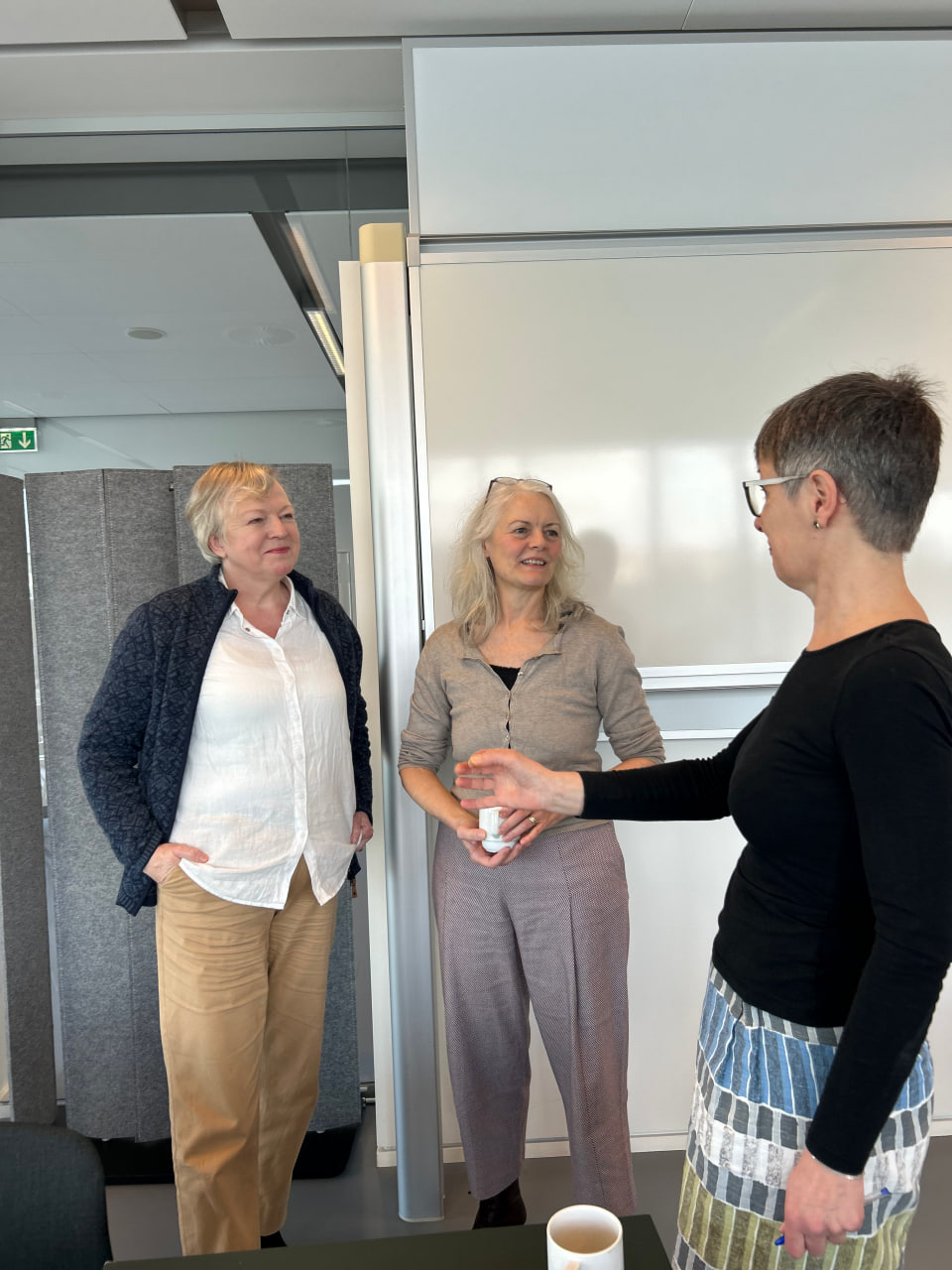
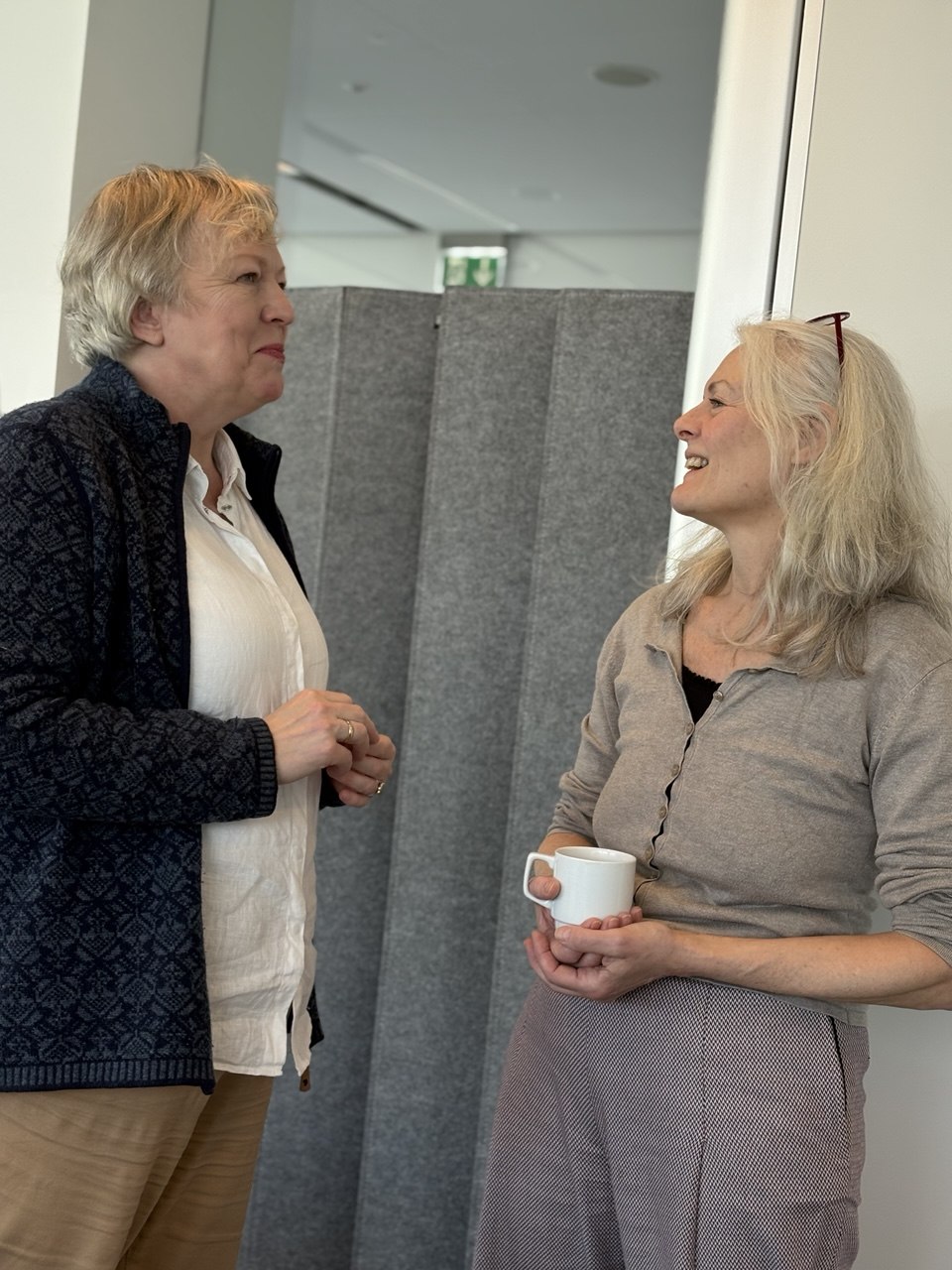
The workshop began with the participants gathering at the Danish Writers’ Union in Copenhagen, which warmly welcomed this international group of poets and translators.
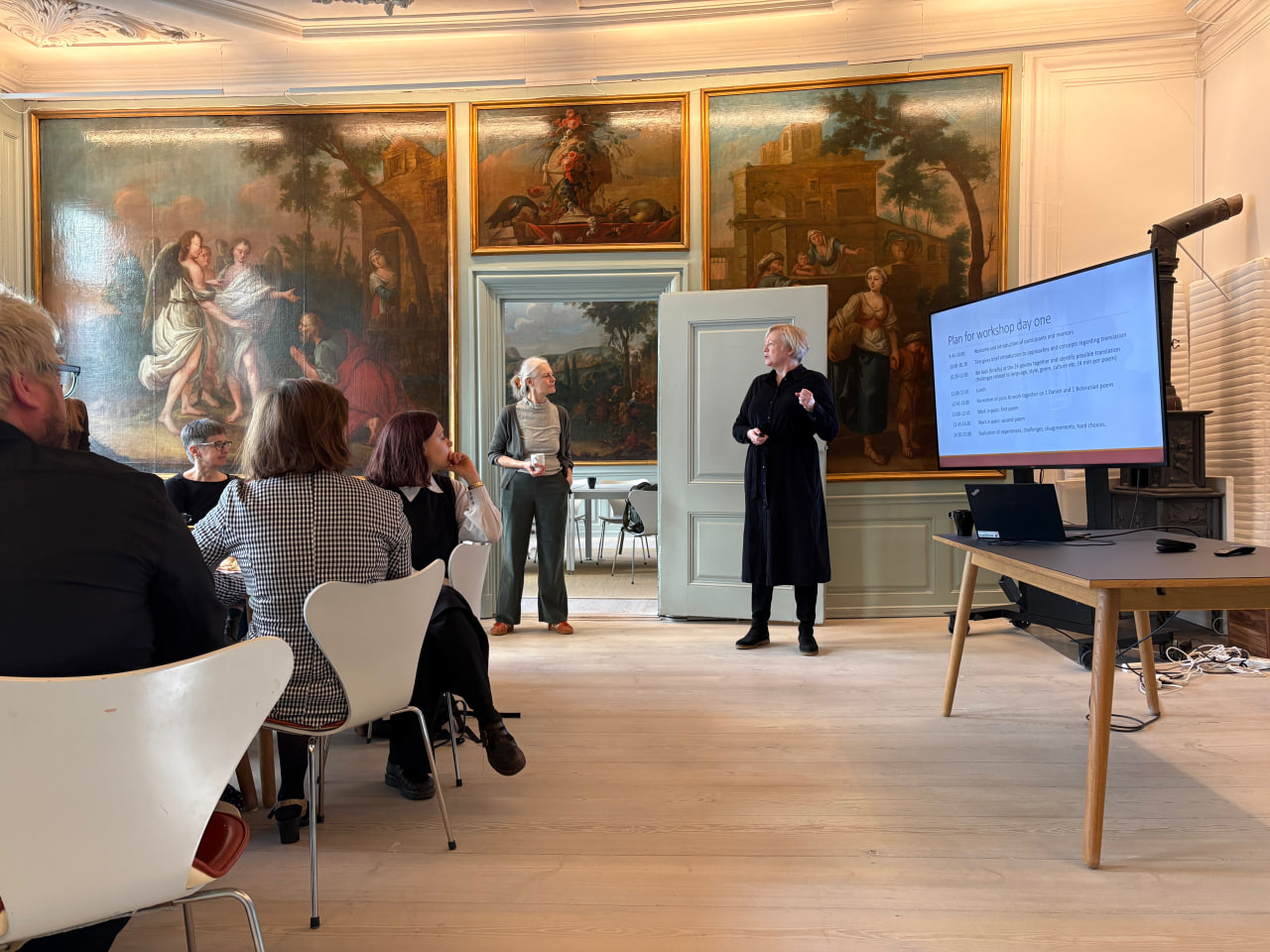
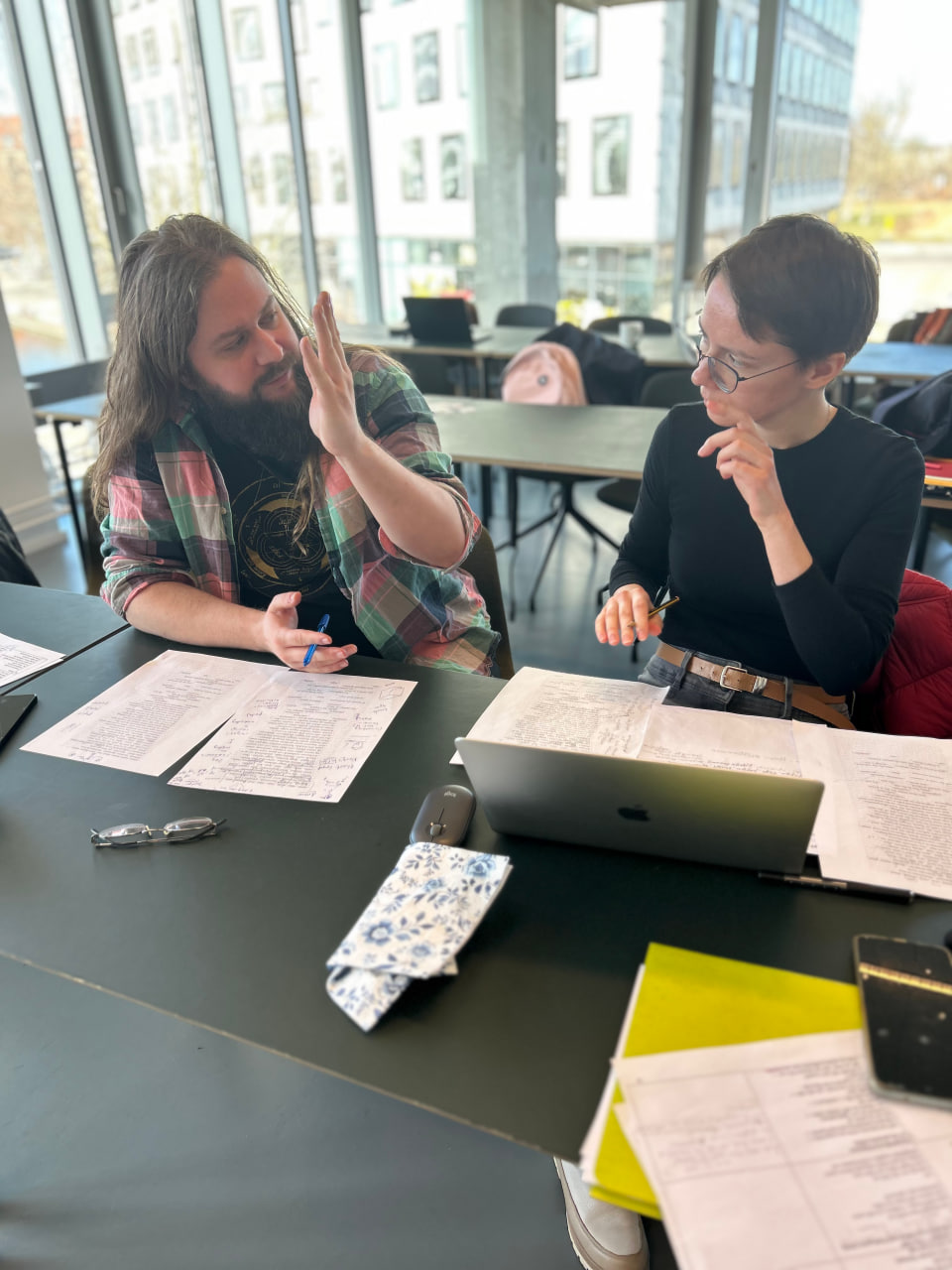
The mentors proposed a working structure that was both clear and refreshingly unconventional. Each poet introduced their work while also identifying passages that might prove particularly challenging for translators. Wordplay, layers of meaning, cultural references, inventive language, and unique word formation—all the elements that make poetry translation a true art form—were brought into focus. At the same time, these very qualities often create obstacles that can seem almost impossible to overcome.
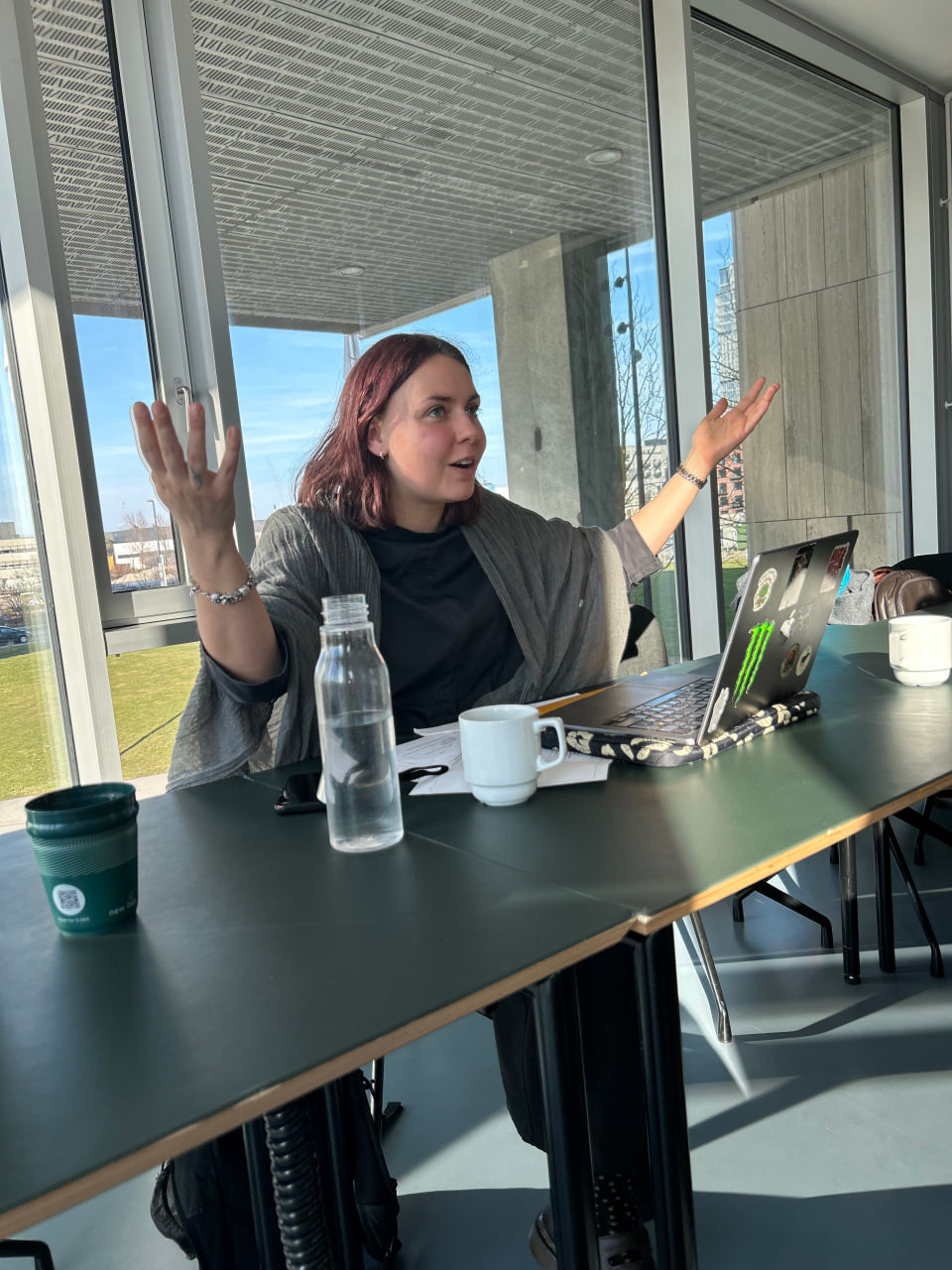
From the very beginning, the workshop became a space for close reading, lively discussion, and collaborative exploration, where every poem opened a door into another language, culture, and imagination.
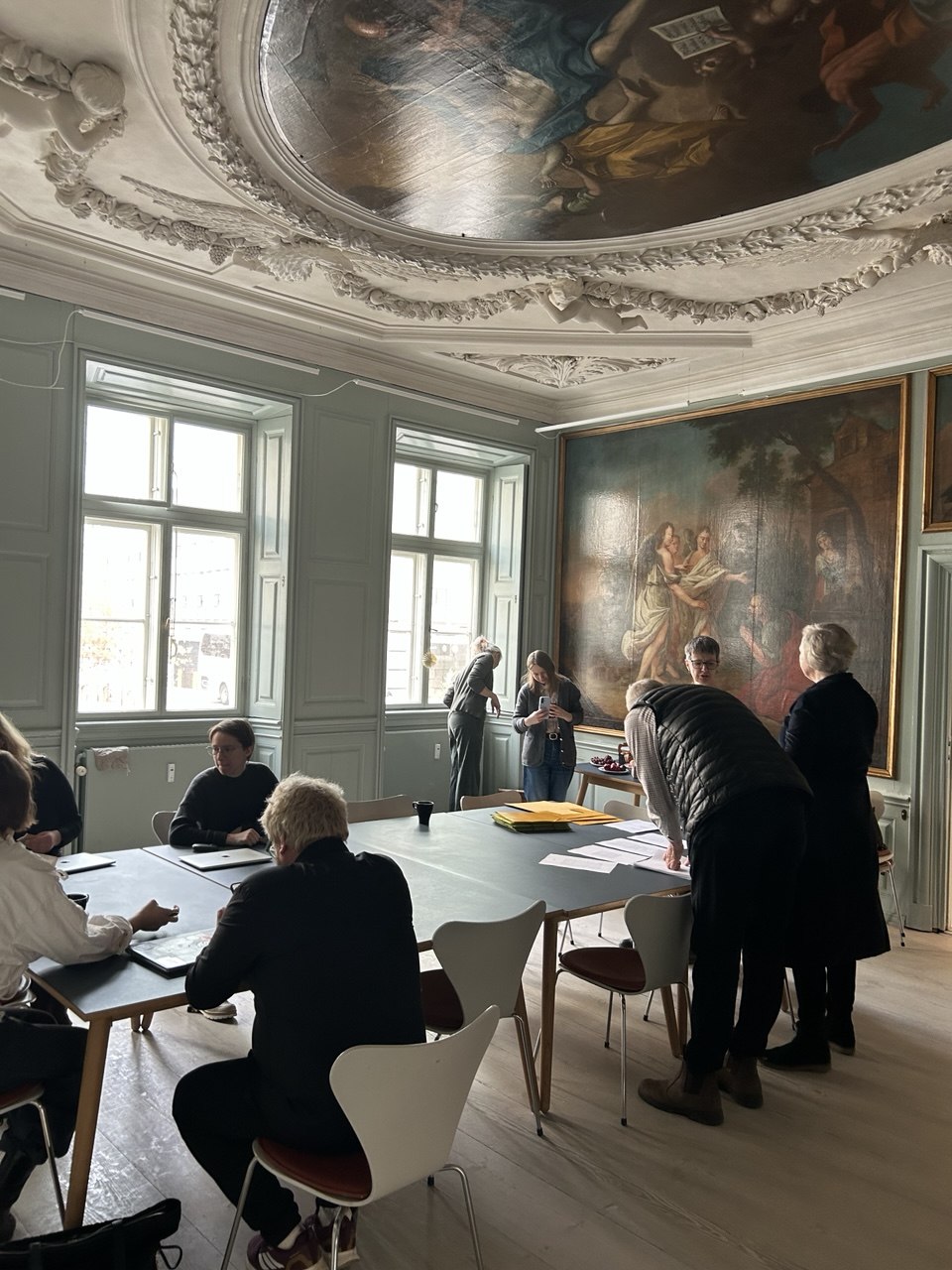
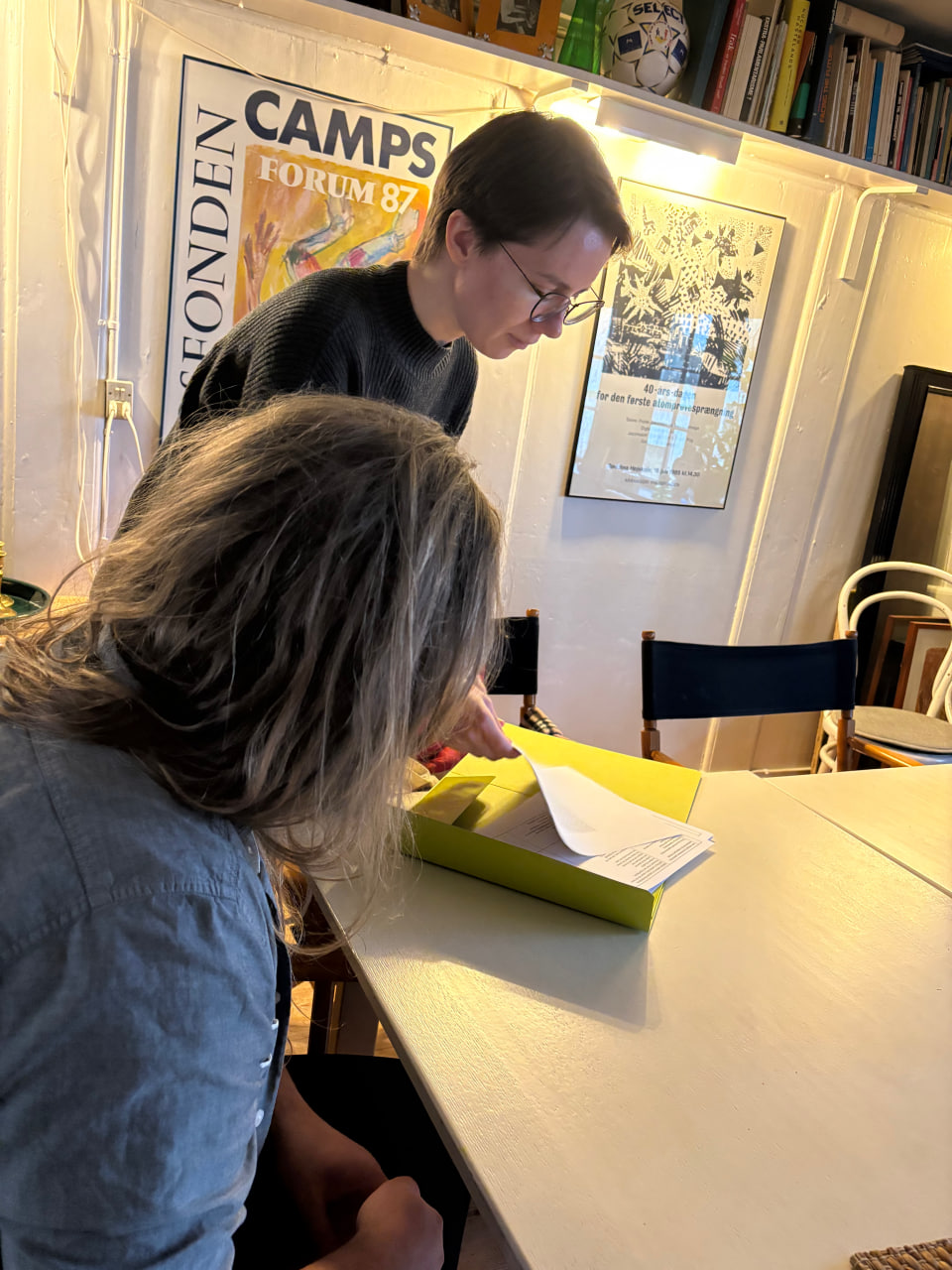
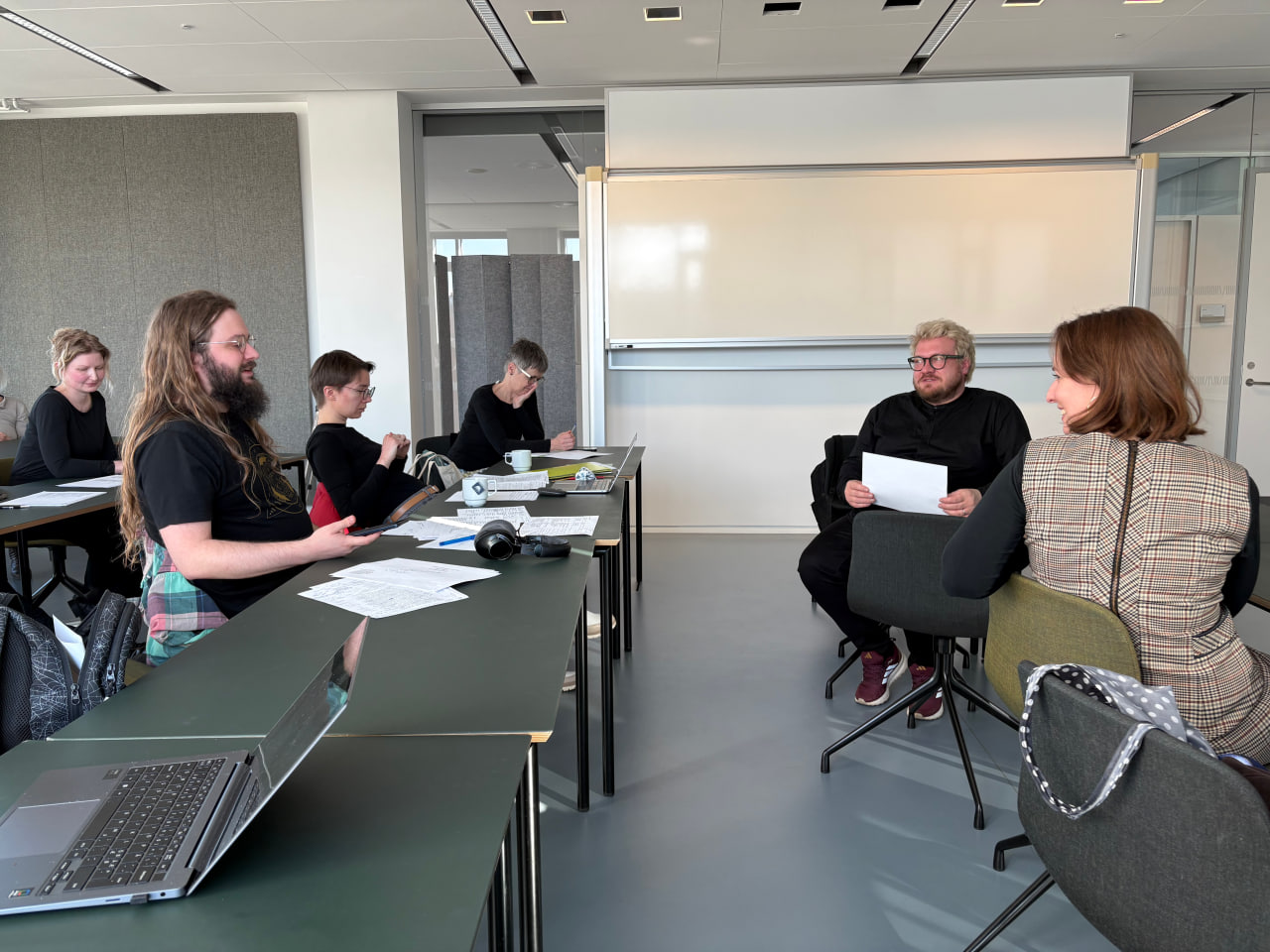
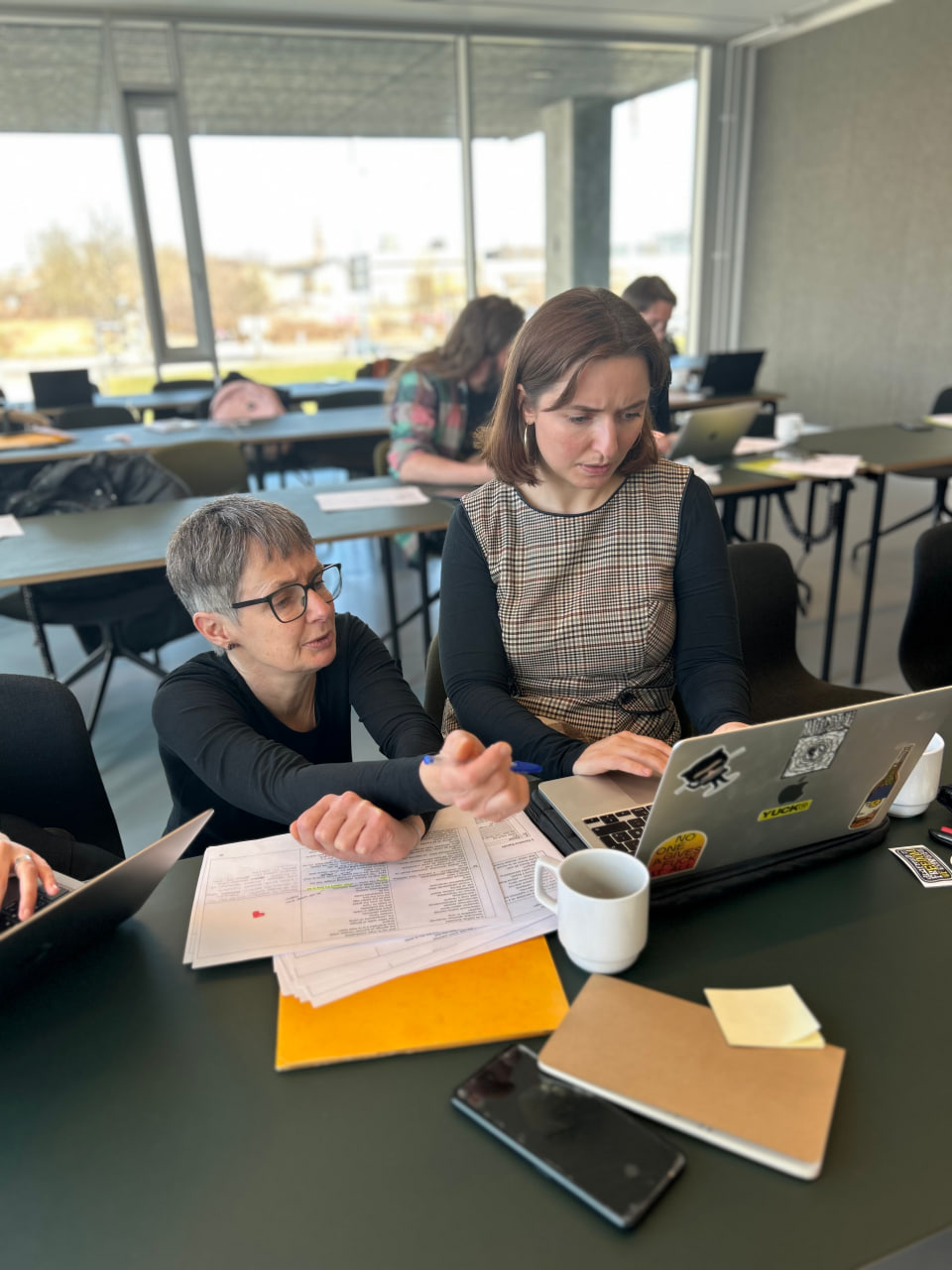
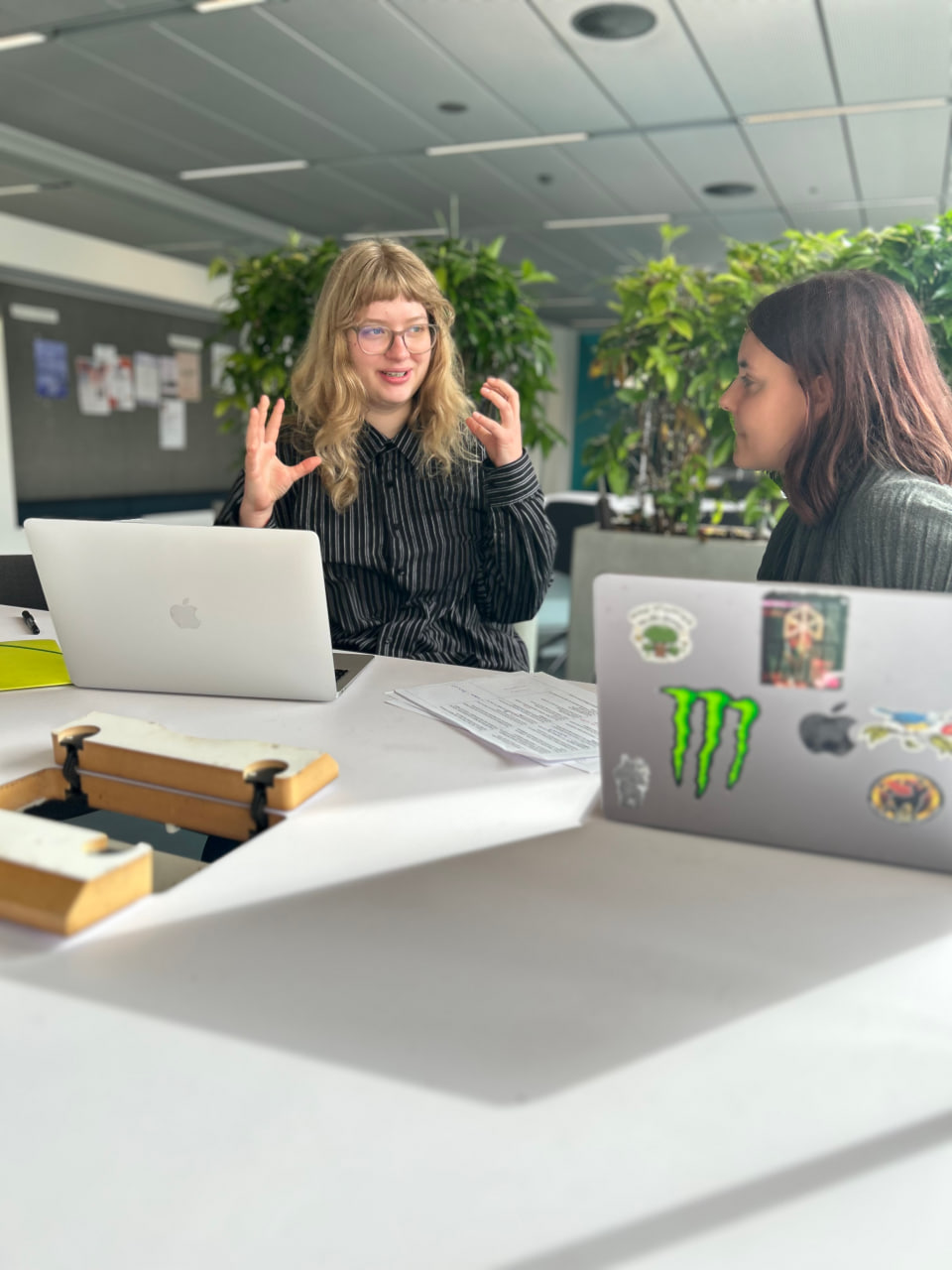
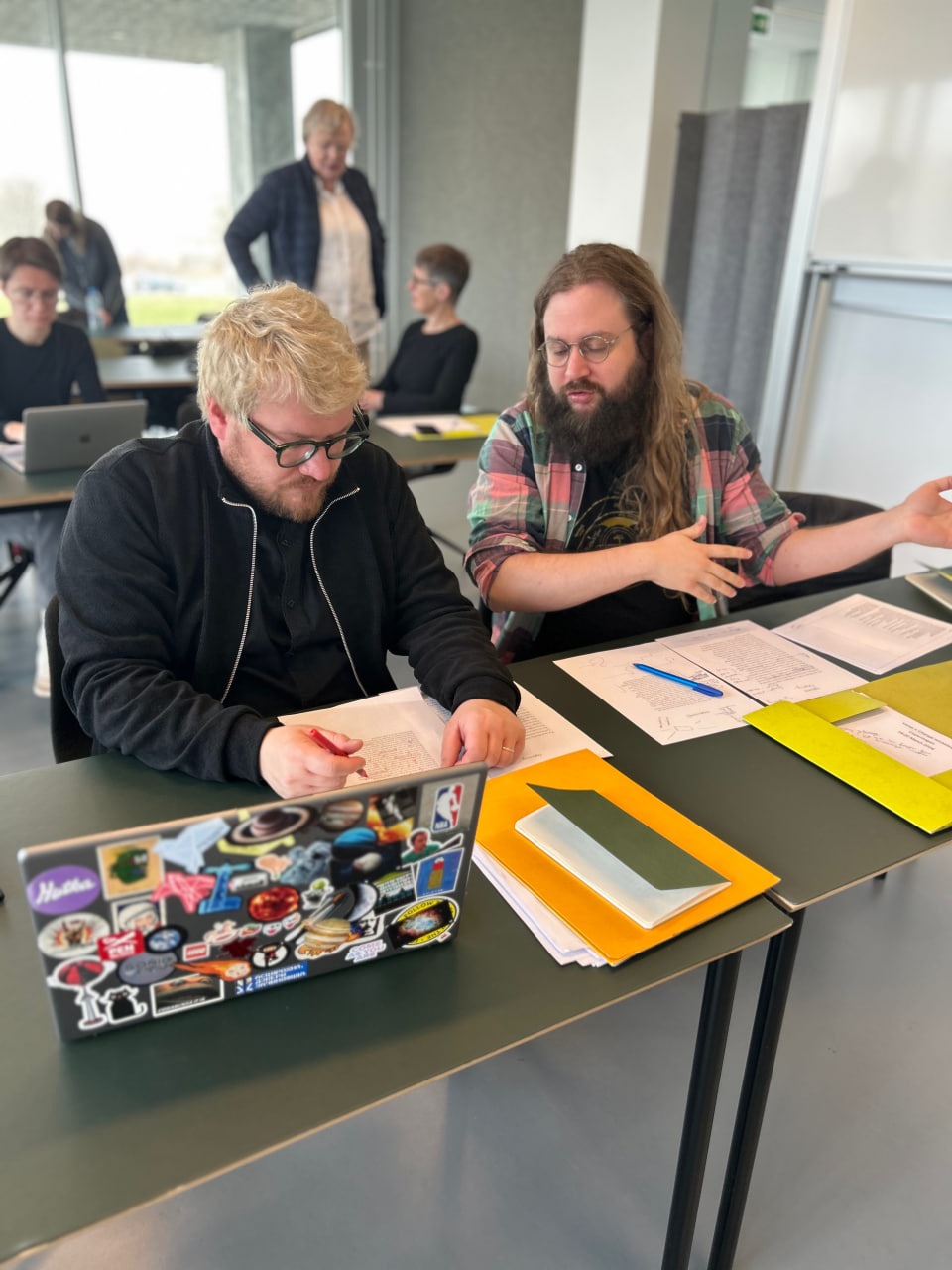
The mentors then structured the workshop in a way that allowed each participant to work with the poems of at least two or three other poets. As a result, the pairs were reshuffled several times, giving participants the opportunity to translate authors with very different poetic voices and approaches. Most importantly, this format encouraged meaningful interaction across the entire group. Rather than remaining focused solely on their designated partner, participants were able to build direct creative connections with everyone involved in the project.
Reflecting on her experience of the workshop, Danish poet Christine Kærulv highlighted the unique moments of understanding that emerge through literary translation:
“It’s a joyful feeling when you find a word where you both know exactly, like, what you mean. Even though you don’t know the word in each language, but you’re like, ‘Yes, that’s the feeling,’ or, ‘That’s what I’m trying to write about,’ or, ‘This is how it’s supposed to look or be in the text.’”
Belarusian poet Kseniya Stasiukevich shared her impressions of the collaborative process:
“When the author is there beside you, alive and present, the process is entirely different: it becomes the creation of something new. At least now, as we discuss my poems and those of other women poets, we adjust certain things, slightly shift the meaning here and there — and it turns out that this is not always an exact translation, but also the creation of new meanings, a creative process in itself.”
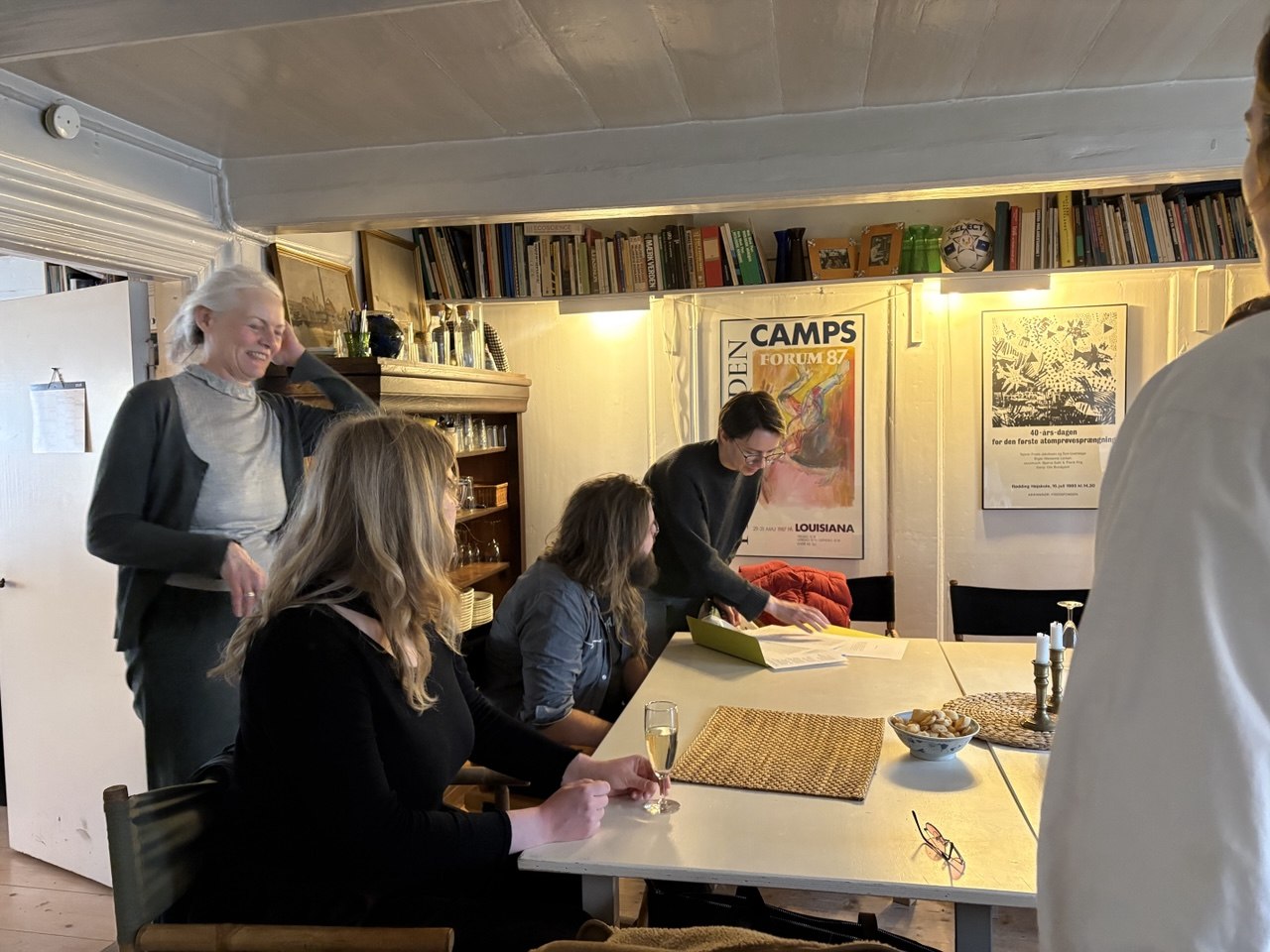
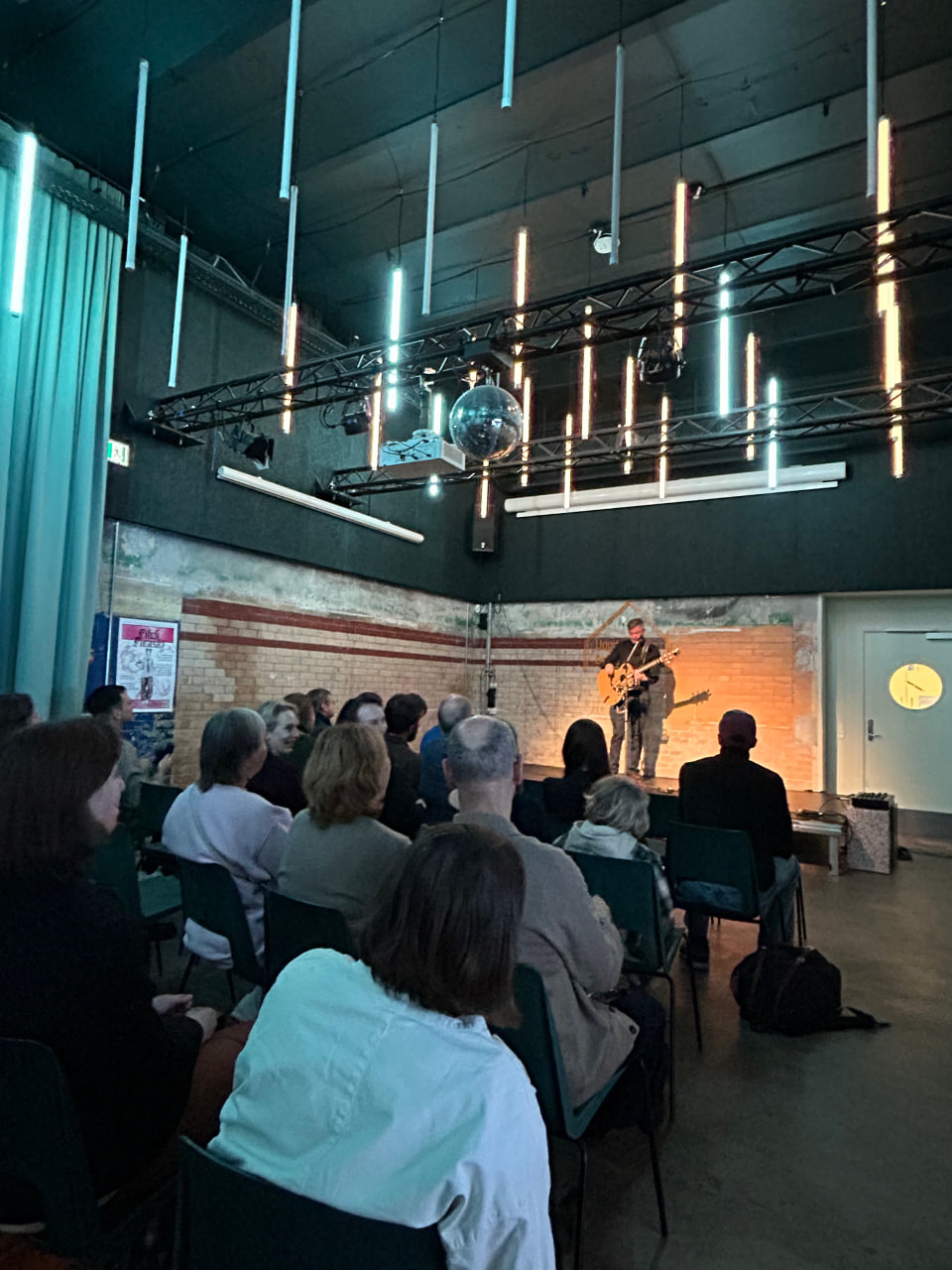
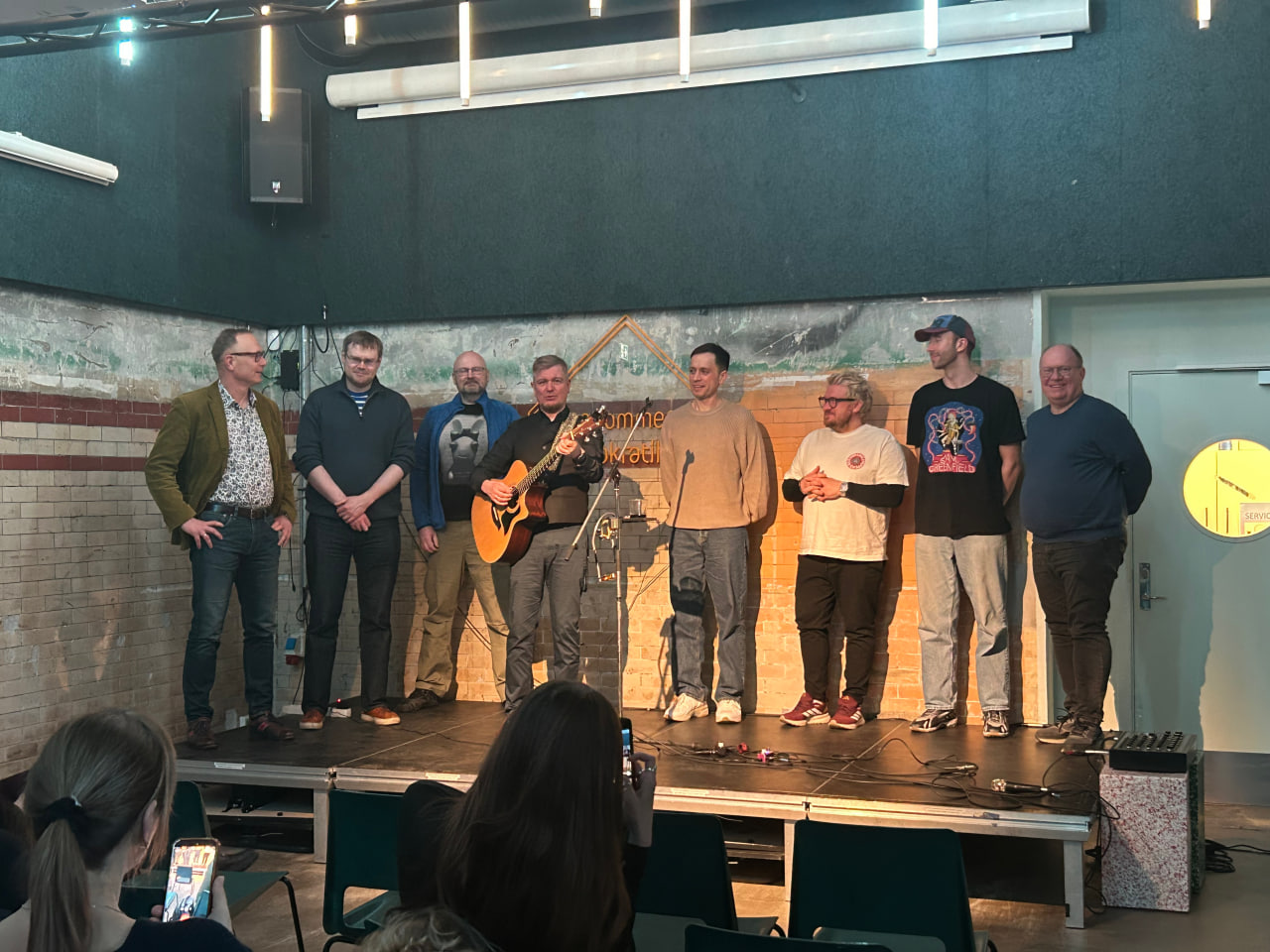
The day concluded with a shared dinner, followed by a concert by the renowned Belarusian singer-songwriter and poet, and PEN Belarus member, Lavon Volski, who happened to be performing in Denmark during those very days. The Danish poets remarked that it was a fascinating experience to hear the Belarusian language in a musical setting and to discover how poetry finds new life when transformed into song.
Day Two
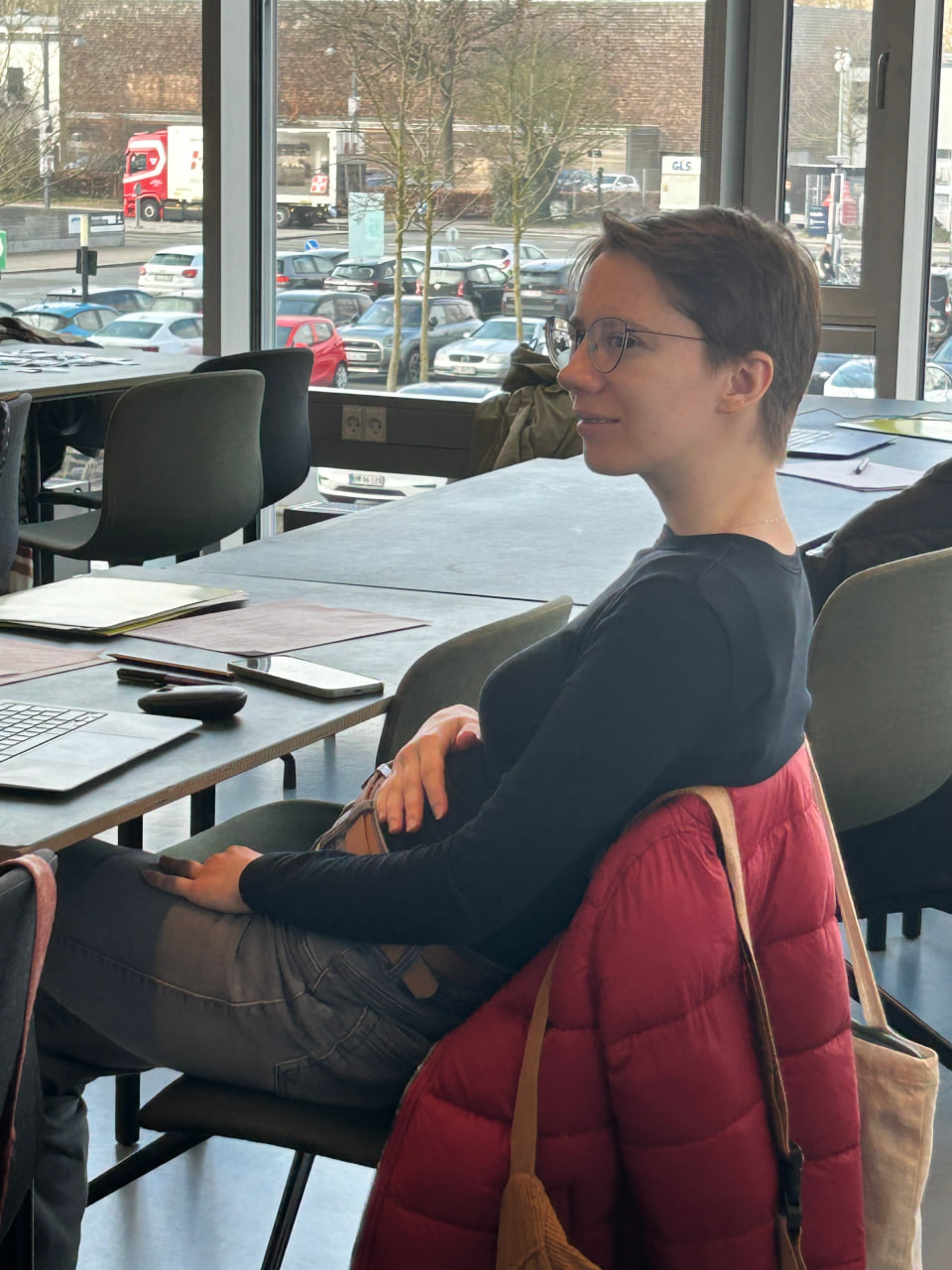
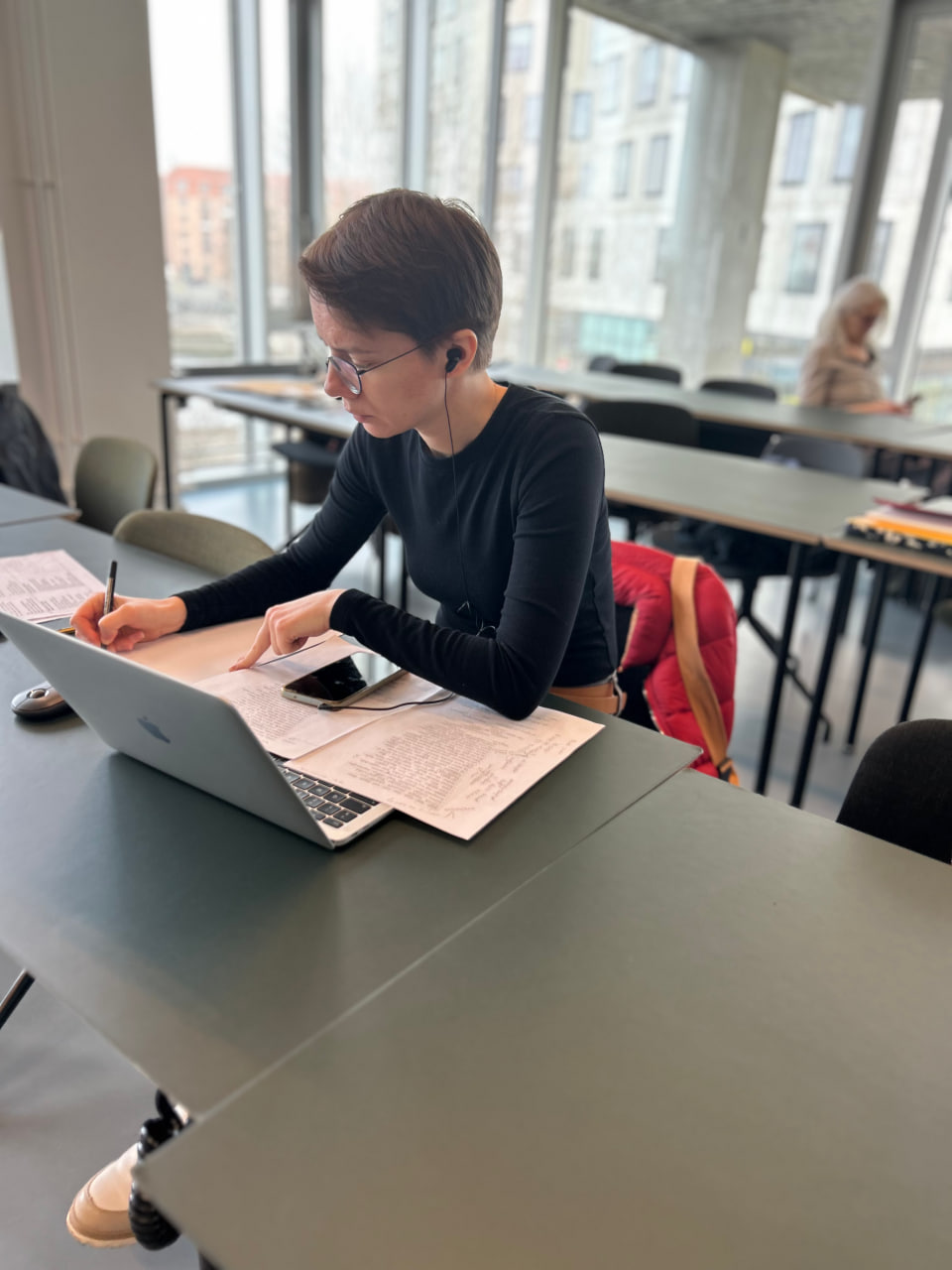
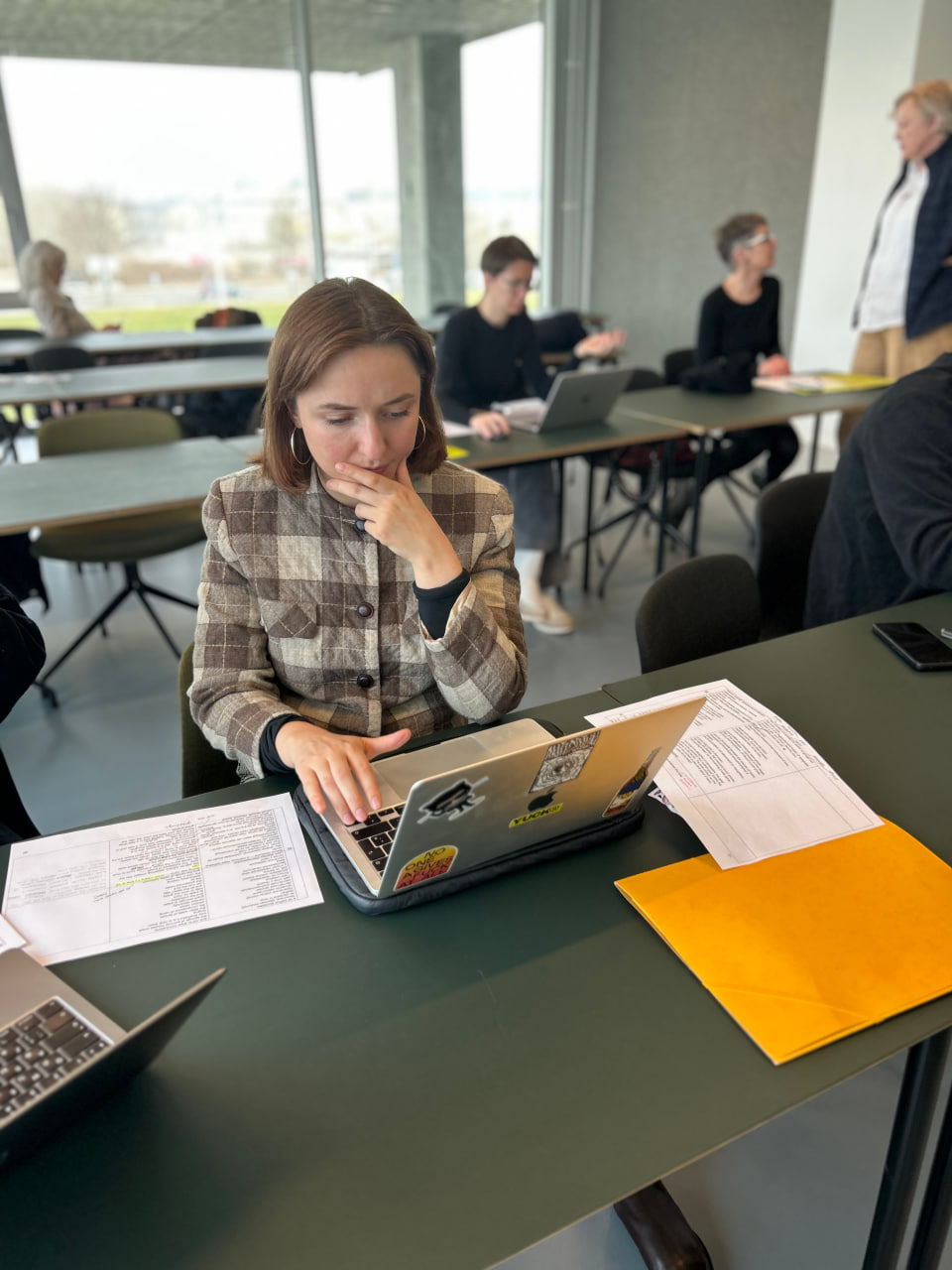
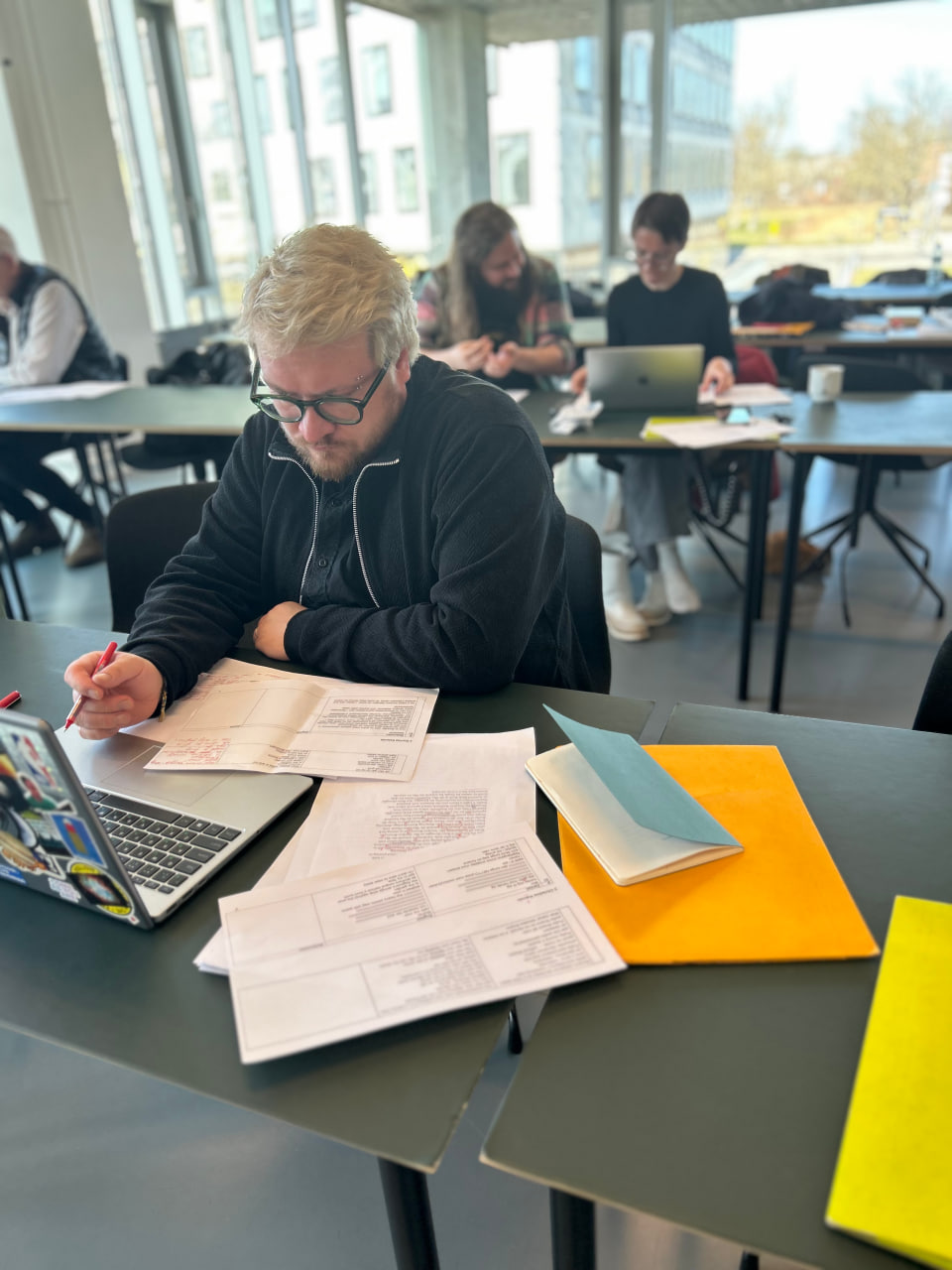
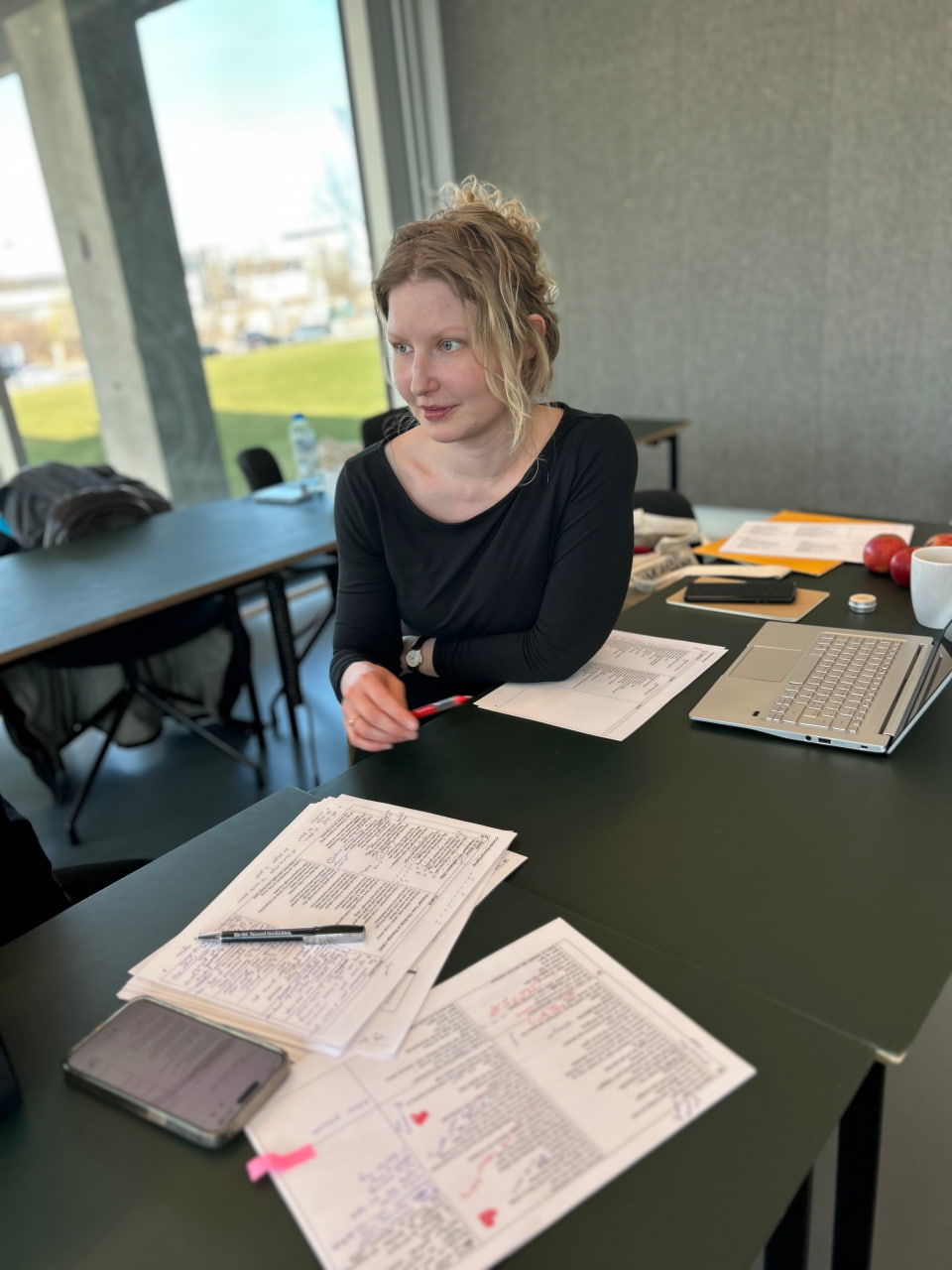
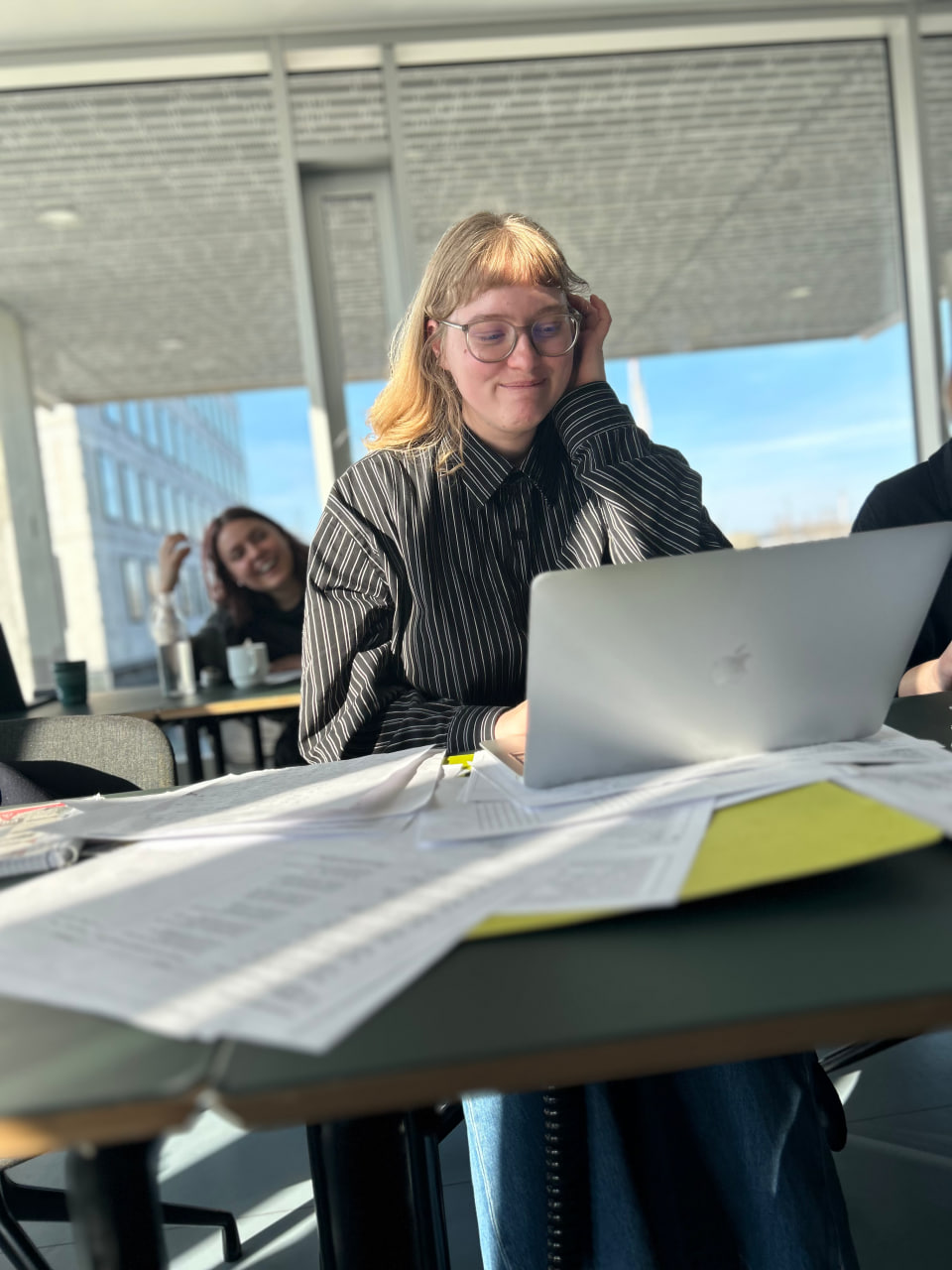
The second day of the workshop took place in one of the classrooms at the University of Copenhagen. Participants returned with their first drafts and translation experiments, and the mentors worked closely with them to refine the texts—polishing lines, searching for the right words, and fine-tuning rhythm and rhyme wherever necessary.
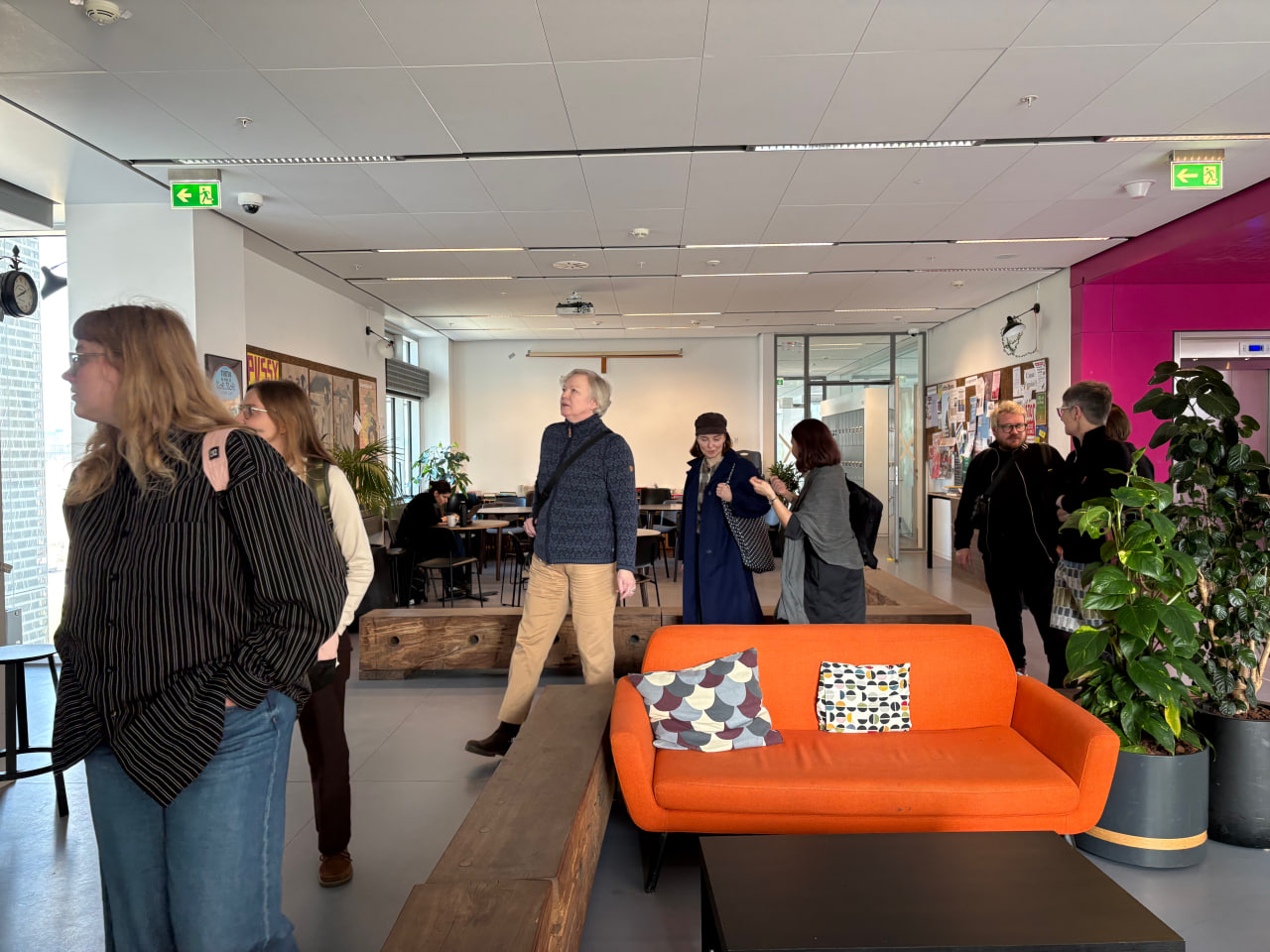
The mentors also guided the group on a tour of the university, with a special focus on the university library. To the participants’ delight, the shelves held books written by some of the poets and mentors present, as well as a number of translations from Belarusian literature.
Reflecting on the workshop, Danish poet Joakim Vilandt highlighted both the challenges and the joys of literary translation:
“It’s really hard to explain something that doesn’t make sense like that. And I realized that yesterday, because there’s just so much confusion as you have to explain how it doesn’t make sense when the things aren’t there. It’s a nightmare kind of. But it’s also a lot of fun. I love playing with language. So, getting to do that is always such a big joy.”
For Vilandt, the workshop became an opportunity not only to translate poetry, but also to explore how language creates meaning, ambiguity, and imagination across cultural and linguistic boundaries.
For Belarusian poet Siarhiej Kalenda, working with words and situations that resist easy translation was one of the most valuable aspects of the experience:
“When you begin working with such complex words and texts, you reach a new level of understanding life. This is deeply valuable for someone who writes — for a writer.”
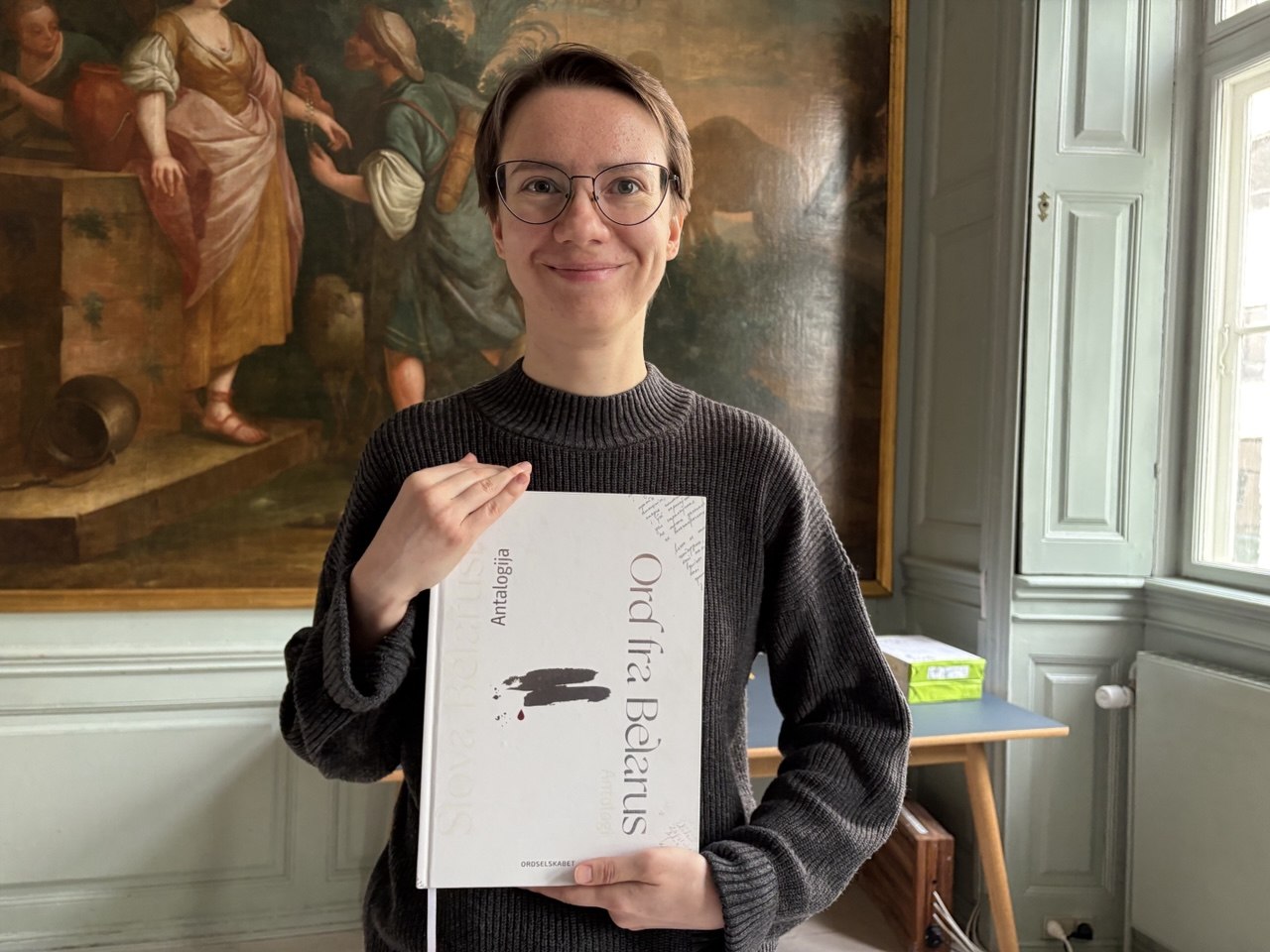
The workshop concluded with a collective presentation of the translations that had emerged over the course of the two days. The collaboration proved both productive and inspiring. The participants returned home with nearly finished translations, which they have since polished and completed. Very soon, a collection of Belarusian-Danish-Swedish poetic dialogues will be published!
More importantly, they departed not only with translations, but also with new friendships, creative partnerships, and a deeper understanding of one another’s literary traditions—precisely the kind of connections that literary bridges are meant to create.
This publication has been produced with the financial support from the Nordic Council of Ministers. The content of this publication is the sole responsibility of the coordinators of this project and does not necessarily reflect the views or policies of the Nordic Council of Ministers.